
Research Member Introduction
Biozipcode Inc. established the joint research course “Regenerative Medicine Course” in collaboration with Shiga University of Medical Science, led by Professor Hideto Kojima and Professor Takahiko Nakagawa, and has been conducting basic research and preclinical research for pharmaceutical development.
We are pleased to announce that the research activities carried out at Shiga University of Medical Science have now been progressively succeeded and transferred to the “Department of Biocommunication Development” at the Kyoto University Graduate School of Medicine.
At Kyoto University, the Department of Biocommunication Development aims to elucidate the dynamics of biological information across organs through the development of cell-targeting technologies using short peptide sequences, with the goal of applying these findings to the diagnosis and treatment of intractable diseases. Going forward, we will further develop the research foundation we have built in regenerative medicine, tissue repair, diabetes-related diseases, and cell- and tissue-specific molecular recognition mechanisms, and will promote research that connects basic science to clinical application and social implementation.
- The current CEO of Biozipcode, Inc. is Fumihisa Kojima
Hideto Kojima (Research Director)

Advisor / Professor, Joint Research Course
Dr. Hideto Kojima is a physician specializing in diabetes and a researcher in regenerative medicine. At Shiga University of Medical Science, he has long promoted research in internal medicine, molecular biology, regenerative medicine, and bioinformation analysis. His work has focused on drug discovery aimed at the radical treatment of diabetes, the development of cell-targeting technologies, and the creation of novel treatment modalities for cancer.
In particular, he has focused on abnormal hematopoietic stem cells involved in the pathogenesis of diabetes, advancing the development of new diagnostic and therapeutic agents. He also promotes research on cell- and tissue-specific targeting technologies using short peptide sequences. He currently serves as a Specially Appointed Professor at the Department of Biocommunication Development, Kyoto University Graduate School of Medicine, where he leads research and development spanning basic research, preclinical studies, clinical application, and social implementation.
Junko Okano
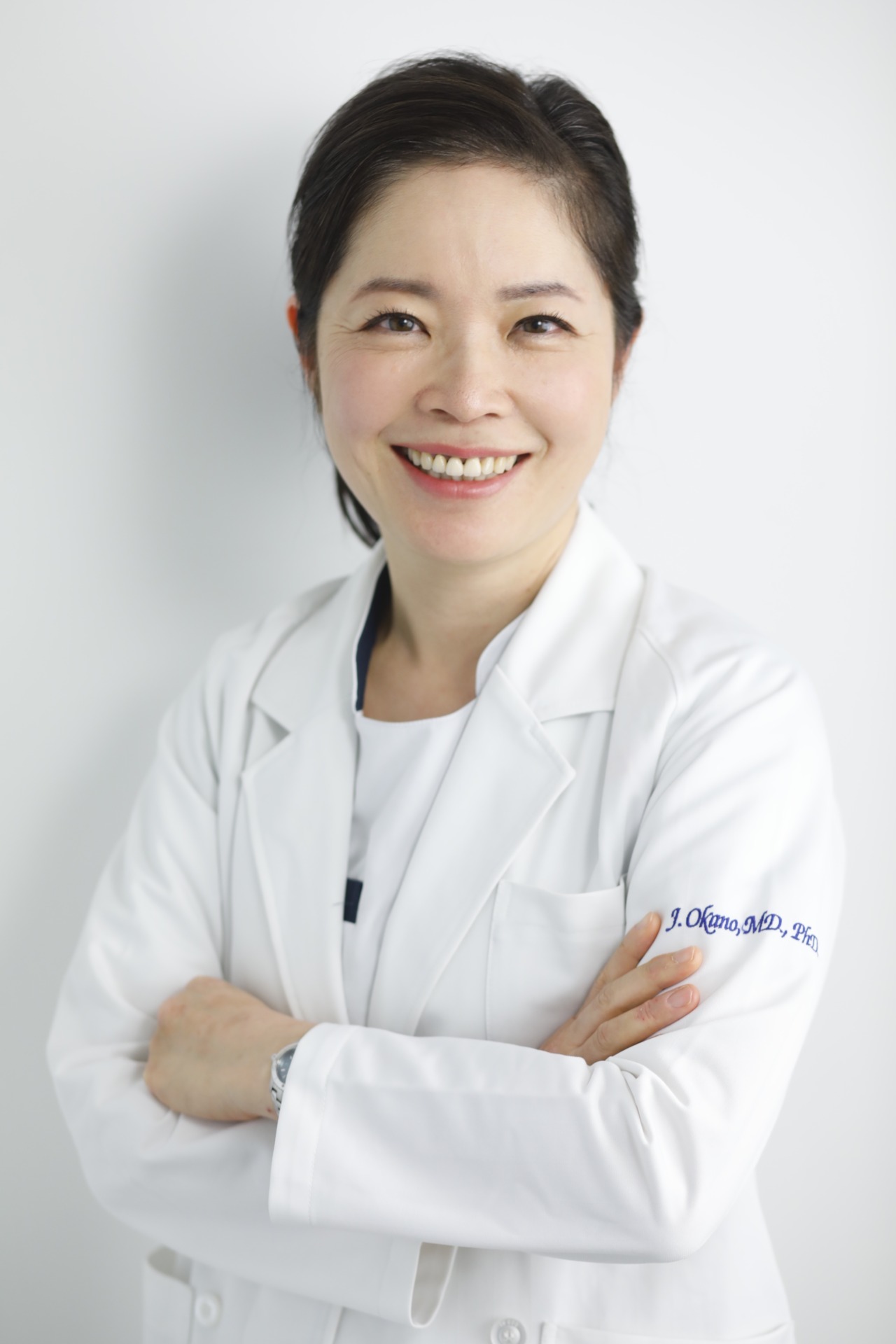
Associate Professor, Joint Research Course
Dr. Junko Okano is a plastic surgeon and regenerative medicine researcher. After graduating from Kyoto University Faculty of Medicine, she gained extensive clinical experience in the field of plastic surgery. She has also conducted research at Kyoto University, the National Institutes of Health in the United States, and Shiga University of Medical Science, focusing on wound healing, regenerative medicine, developmental biology, and skin biology.
Since April 2026, she has served as a Program-Specific Associate Professor at the Department of Biocommunication Development, Kyoto University Graduate School of Medicine, where she promotes research and development in cell- and tissue-specific targeting technologies.
Joint Research Course “Department of Biocommunication Development”
Biozipcode Inc. has previously established the joint research course “Regenerative Medicine Course” through industry-academia collaboration with Shiga University of Medical Science. Through this initiative, we have conducted research on intractable diseases, including diabetes, as well as regenerative medicine, tissue repair, and cell- and tissue-specific molecular recognition mechanisms.
We are pleased to announce that the research activities developed at Shiga University of Medical Science have now been progressively succeeded and transferred to the “Department of Biocommunication Development” at the Kyoto University Graduate School of Medicine.
At Kyoto University, the Department of Biocommunication Development aims to elucidate the dynamics of biological information across organs through the development of cell-targeting technologies using short peptide sequences, with the goal of applying these findings to the diagnosis and treatment of intractable diseases.
In particular, the course promotes research using in vivo biopanning to comprehensively identify exploratory peptide sequences that specifically bind to all organs and major cell types in model animals, and to analyze changes in cellular and tissue environments associated with disease. In addition, by utilizing humanized animal models and organoids, the course is working to establish experimental models with future applicability to humans.
Through this course, we aim to build a research framework that connects basic research to clinical application and social implementation, and to realize precise cell-level targeting technologies that have been difficult to achieve with conventional molecular targeting approaches.
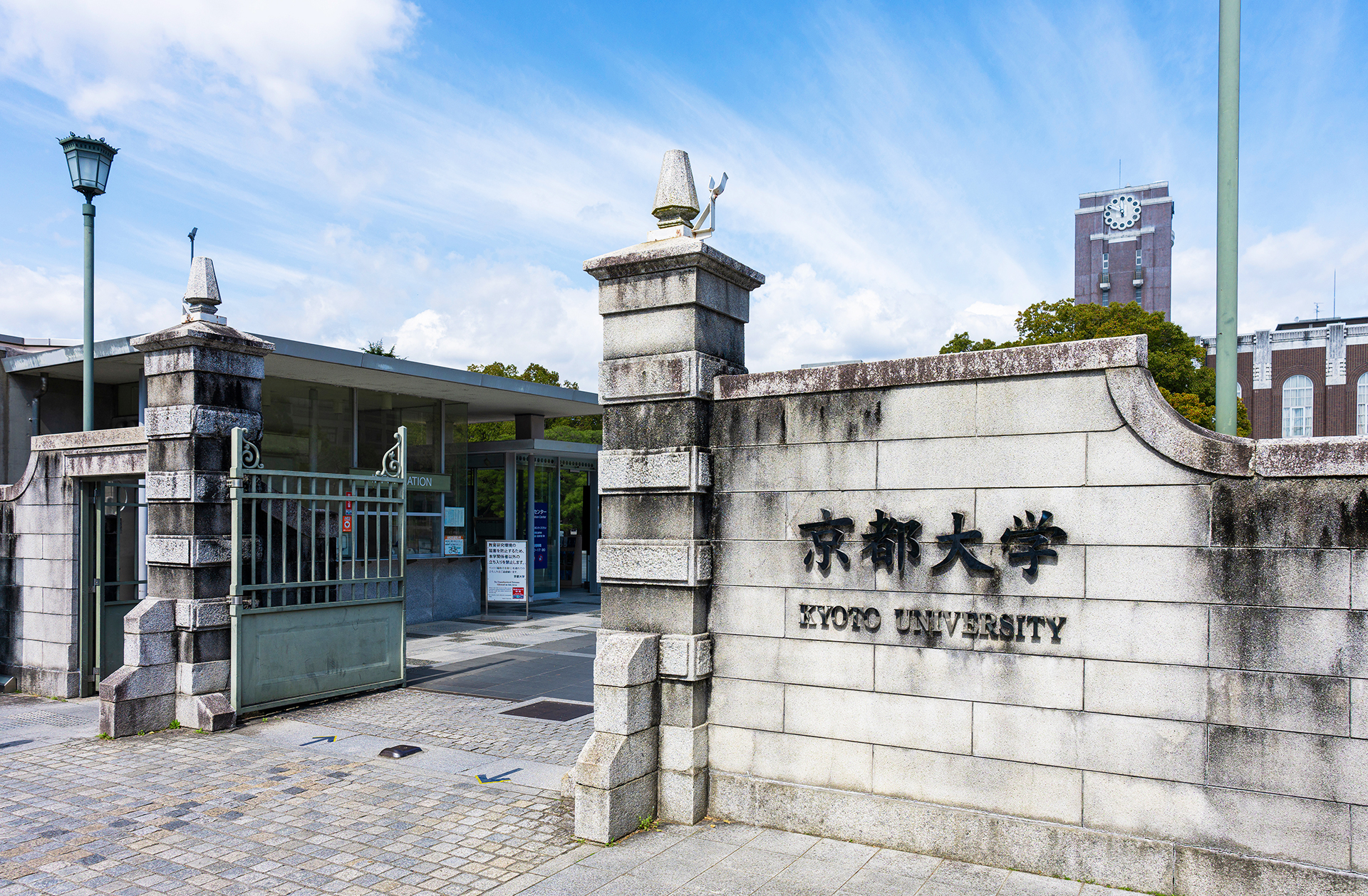
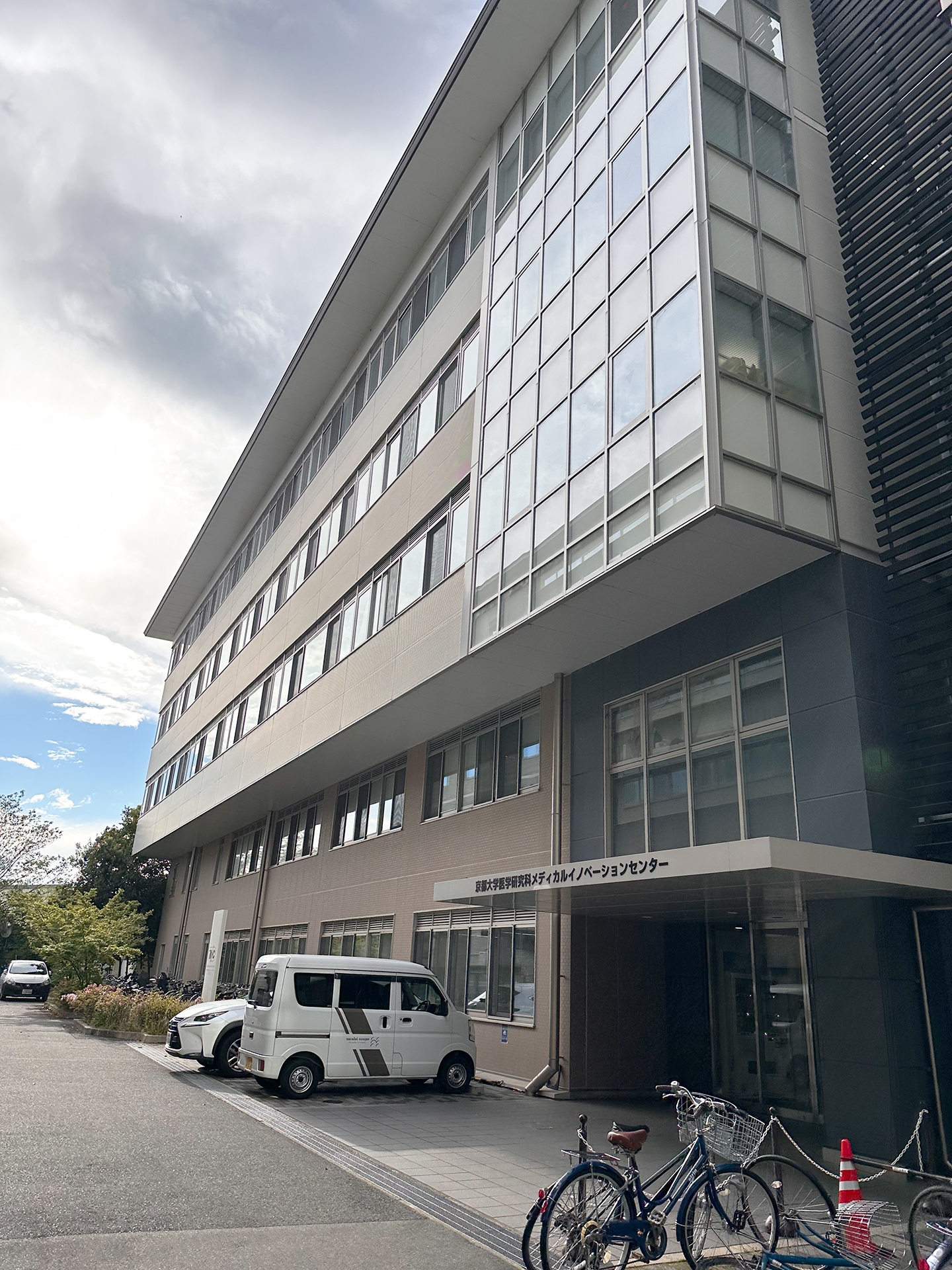

Kyoto University Graduate School of Medicine
Established in 1974, Shiga University of Medical Science is the only medical university in Shiga Prefecture and is renowned for its commitment to community healthcare. It prides itself on distinctive medical and nursing education aimed at fostering researchers. The university advances unique research utilizing partnerships across academia, industry, and government, specifically in fields such as epidemiology and cutting-edge medical device development, with a focus on elevating the standards of medical technology and healthcare.
Kyoto University Department of Biocommunication Development
The Department of Biocommunication Development is a joint research course that aims to apply its findings to the diagnosis and treatment of intractable diseases, with a focus on the integrated use of biological information through digital technologies and the development of cell-targeting technologies using short peptide sequences.
The course aims to systematically database peptide sequences that bind to specific tissues and cells in systemic diseases. Through this approach, it seeks to understand diseases from a whole-body and multifaceted perspective, and to comprehensively evaluate the effects of various treatments on the body as a whole.
In addition, by conducting detailed analyses of diverse binding peptides, the course seeks to capture the flow of information transmission within the body. Through these efforts, it aims to contribute to the creation of new academic fields and the social implementation of innovative diagnostic and therapeutic technologies.
Biozipcode, Inc.
Biozipcode Inc. is a life science company based on diabetes drug discovery research and the Biozipcode cell-targeting technology developed through research activities at Shiga University of Medical Science. The company focuses on abnormal hematopoietic stem cells that make radical treatment of diabetes difficult, and is engaged in the development of new diagnostic and therapeutic agents.
Through industry-academia collaboration with Shiga University of Medical Science, Biozipcode Inc. previously established the joint research course “Regenerative Medicine Course,” where it promoted basic and preclinical research related to diabetes, regenerative medicine, tissue repair, and cell- and tissue-specific molecular recognition mechanisms.
The company has now transferred its research activities to the Department of Biocommunication Development at Kyoto University Graduate School of Medicine, where it is further advancing the development of cell-targeting technologies using short peptide sequences, diagnostic and therapeutic applications for intractable diseases, and pharmaceutical research and development.
Biozipcode Inc. also conducts contract research, including academic guidance, pharmacological studies, and preclinical research related to regenerative medicine and cell-targeting technologies.