
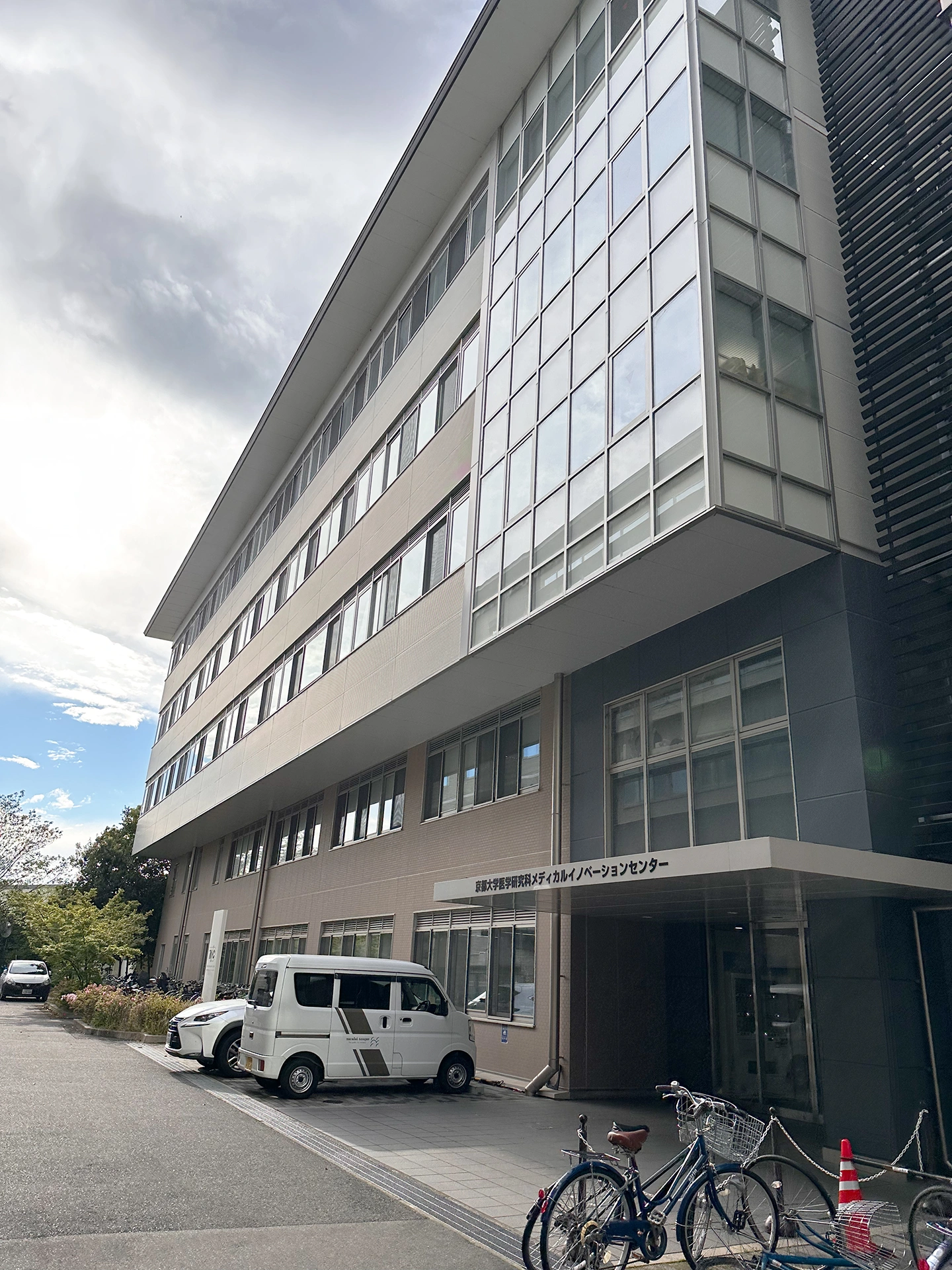

Biozipcode, Inc., together with Kyoto University, is establishing the Department of Biocommunication Development, a joint industry–academia department within Kyoto University’s Graduate School of Medicine and Faculty of Medicine, and launching a joint research project entitled “Development of Cell-Targeted Therapies.” This project aims to develop new treatments for difficult-to-treat diseases by applying cell-targeting technologies that selectively recognize specific cells and tissues. The scope includes cancer research, difficult-to-treat diseases such as diabetes, and support for in silico research and development.
The origins of this research date back to around 2015, when Studio Makyu, Inc. established a research base at the Biomedical Innovation Center as part of a joint research initiative with the Department of Biochemistry and Molecular Biology at Shiga University of Medical Science. From the outset, these activities encompassed not only in vivo and in vitro experimental research but also support for in silico research and development, including the use of bioinformatics tools such as BLAST, proprietary software development, and large-scale computation using GPGPU. Biozipcode, Inc. was established in January 2022 to take over these joint research activities, and a joint research laboratory within the Department of Regenerative Medicine Development was established at Shiga University of Medical Science in April of the same year.
Research at Shiga University of Medical Science has focused on developing novel treatments to overcome difficult-to-treat diseases, including diabetes, and establishing therapeutic technologies using the cell-targeting peptides known as Biozipcode. Research findings have continued to accumulate, including the publication of a study on complete remission of diabetes in streptozotocin-induced diabetic mice in the journal Communications Biology in June 2023. Building on these achievements, Biozipcode, Inc. has strengthened its research and development capabilities, including through increased joint research funding.
From April 2026, the research activities previously conducted at Shiga University of Medical Science will relocate to and expand within the Department of Biocommunication Development, a joint industry–academia department at Kyoto University’s Graduate School of Medicine and Faculty of Medicine. Researchers primarily from Kyoto University’s Graduate School of Medicine and University Hospital will lead and share responsibility for cancer research and cell-targeting research within the development of cell-targeted therapies. Biozipcode, Inc. will support research and development of cell-targeted therapies for difficult-to-treat diseases, including diabetes. The research will run for five years, from April 1, 2026, to March 31, 2031, with a planned total budget of JPY 325 million, comprising JPY 250 million in direct research expenses and JPY 75 million in expenses to promote industry–government–academia collaboration.
This joint industry–academia project extends beyond basic research. It aims to apply technologies that selectively recognize cells and tissues to the treatment of difficult-to-treat diseases, with a view to future clinical implementation. Research outcomes will be managed within a framework that supports both the university’s academic mission and the company’s goals of commercialization and practical application, including provisions for confidentiality, academic publication, and the handling of patent and intellectual property rights.
Through its joint research with Kyoto University, Biozipcode, Inc. will further accelerate the development of cell-targeted therapies based on Biozipcode technology. By advancing collaborations with pharmaceutical companies and research institutions in Japan and overseas, the company aims to create new therapeutic strategies for difficult-to-treat diseases and bring them into practical use.
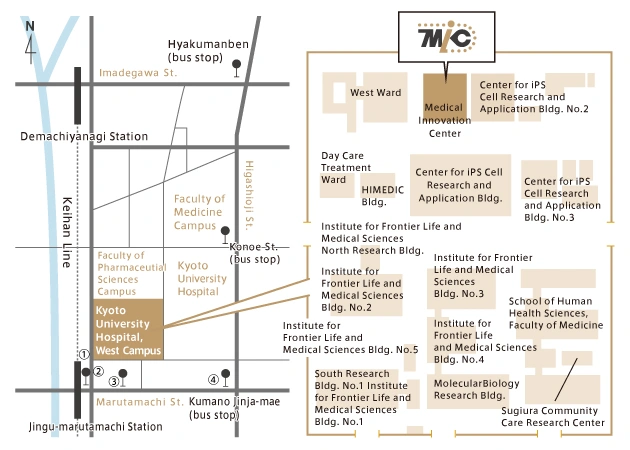
Joint Industry–Academia Department, Graduate School of Medicine and Faculty of Medicine, Kyoto University
Department of Biocommunication Development
Address (Department of Biocommunication Development, Graduate School of Medicine, Kyoto University)
53 Shogoin Kawahara-cho, Sakyo-ku, Kyoto 606-8397, Japan
Medical Innovation Center (MIC), 5th Floor
Direct Laboratory Telephone Number
075-366-7453
Laboratory Website (Department of Biocommunication Development)
https://biozipcode.org/






Leave A Comment