
ABOUT THE DEPARTMENT
About the Department of Biocommunication Development
The Department of Biocommunication Development is a joint industry–academia department at Kyoto University’s Graduate School of Medicine and Faculty of Medicine.
Established on April 1, 2026, it researches new treatment strategies for conditions that respond poorly to existing therapies, using technologies that selectively recognize specific cells and tissues.
Its research covers difficult-to-treat chronic diseases such as diabetes, cancer, and autoimmune diseases, as well as multiple organ failure and conditions resistant to existing surgery or drug treatment. The work includes repurposing existing medicines, developing new drugs, and studying medical materials for tissue regeneration.
Biozipcode, Inc. participates in the research as a corporate collaborator. The department is not a branch, office, subsidiary, or in-house research laboratory of Biozipcode, Inc.
The work described here includes basic research, preclinical research, and other research and development activities. Collaboration does not establish the efficacy or safety of a therapy or diagnostic, commercialization, or regulatory approval.
DEPARTMENT OF BIOCOMMUNICATION DEVELOPMENT
Combining university research with industry development
to create new treatments.
Biozipcode, Inc. is conducting joint research with Kyoto University, Graduate School of Medicine and Faculty of Medicine Department of Biocommunication Development.
The joint research project is titled “Development of Cell-Targeted Therapy”.
The work aims to apply technology that selectively recognizes specific cells and tissues to new diagnostics and therapies for difficult-to-treat diseases, including diabetes and cancer. The research also includes in silico work and development support using bioinformatics and physical AI.
Department Overview
| Item | Details |
|---|---|
| Department Name | Kyoto University, Graduate School of Medicine and Faculty of Medicine Department of Biocommunication Development |
| English Name | Department of Biocommunication Development |
| Established | April 1, 2026 |
| Host Institution | Kyoto University, Graduate School of Medicine and Faculty of Medicine |
| Research Project | Development of Cell-Targeted Therapy |
| Corporate Research Collaborator | Biozipcode, Inc. |
| Main Research Areas | Cell targeting, diabetes, cancer, difficult-to-treat diseases, regenerative medicine, and in silico research |
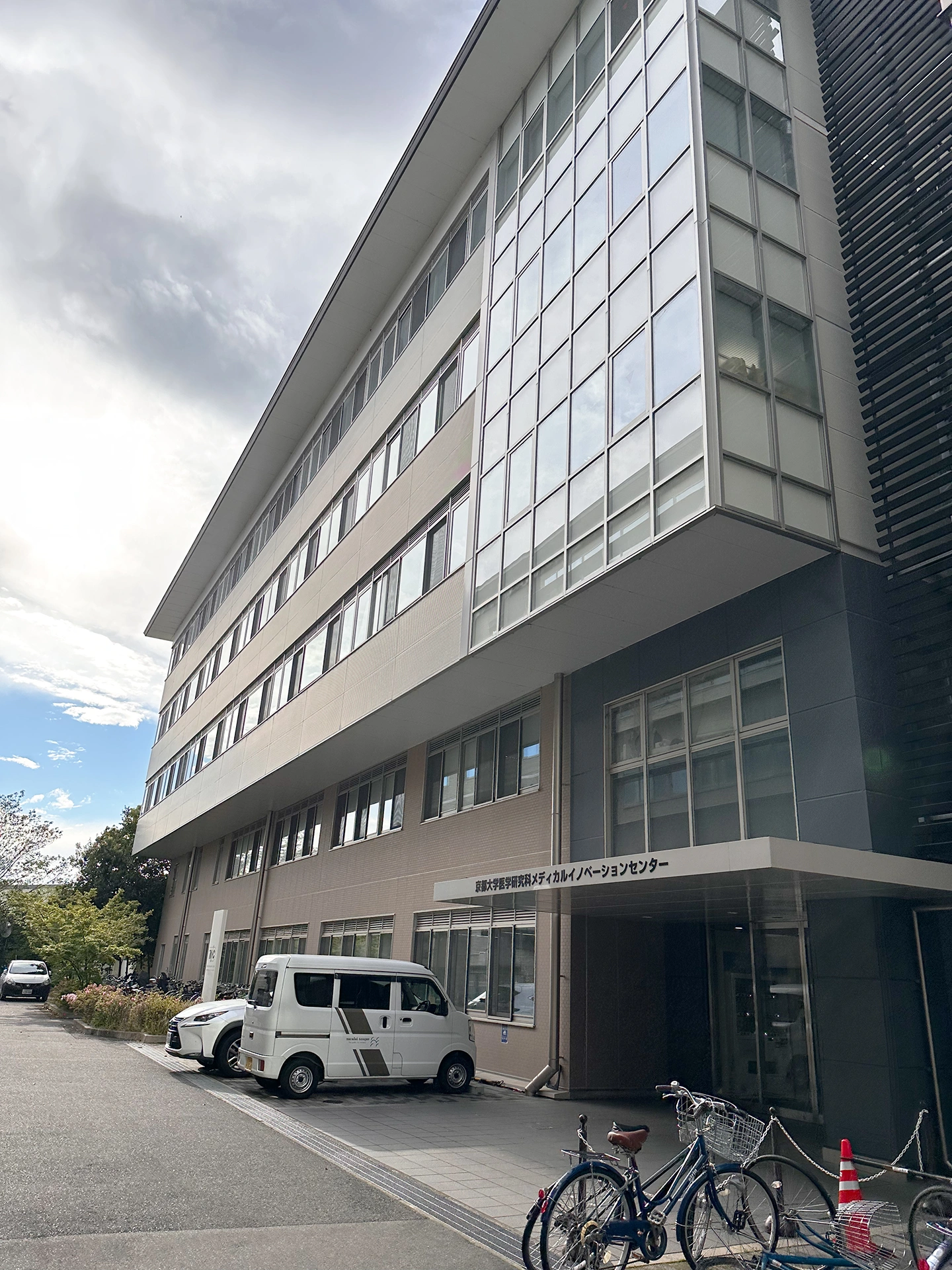
| Location | Kyoto University Medical Innovation Center (MIC), 5th Floor |
| Department Website | biozipcode.net |
RESEARCH AREAS
Main Research Areas
01 DIABETES STEM CELLS
Diabetes & Diabetes Stem Cells
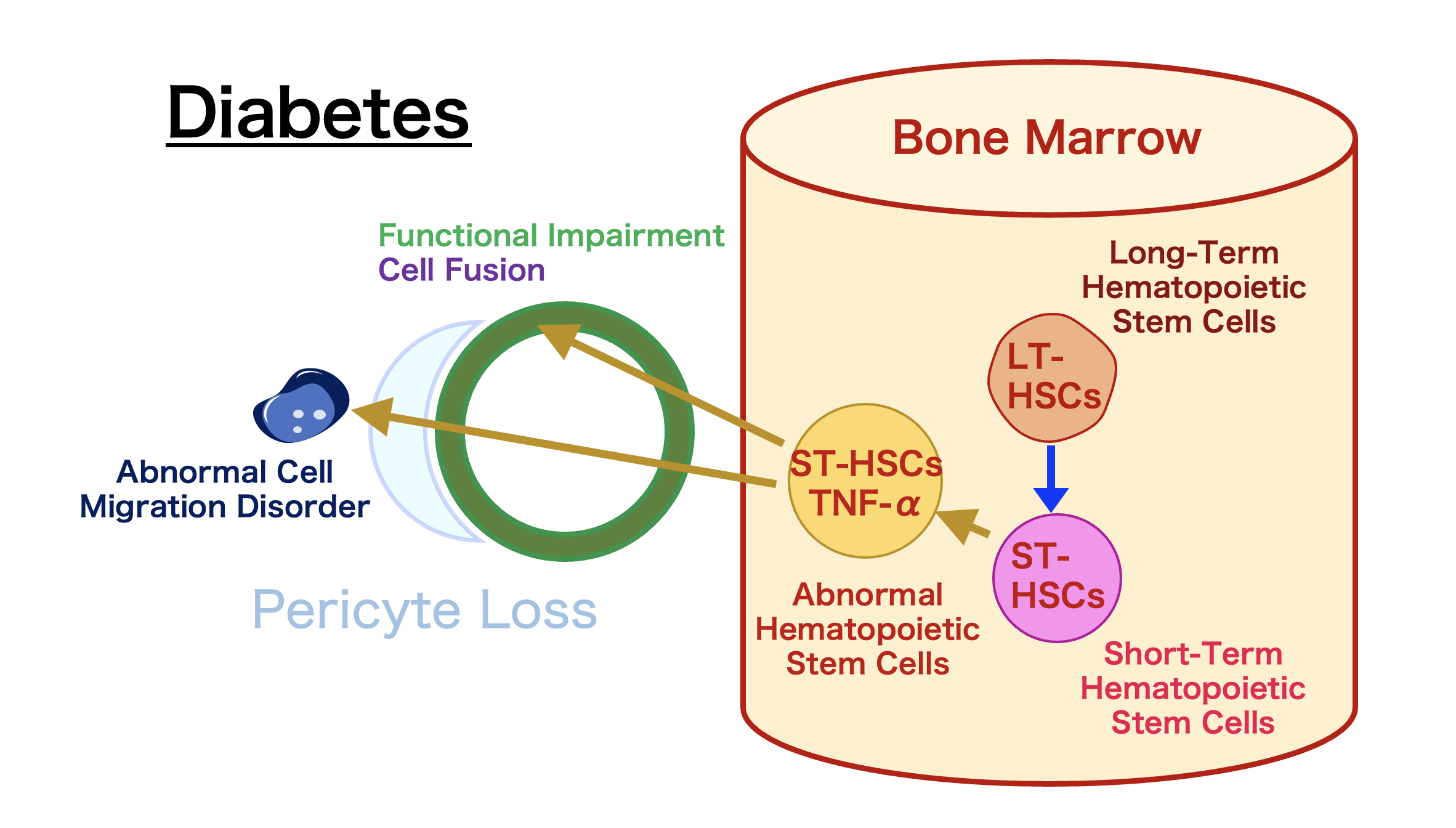
The department studies the mechanisms of abnormal hematopoietic stem cells and bone marrow-derived cells thought to contribute to the persistence of diabetes and its complications. These populations are referred to as “diabetes stem cells” (DSCs) for research purposes.
Previous mouse studies have suggested links between abnormal hematopoietic stem cells, pancreatic beta-cell regeneration, and diabetic complications. Testing their relevance in human disease is a key research goal.
02 BIOZIPCODE™ & CELL TARGETING
Biozipcode™ & Cell Targeting
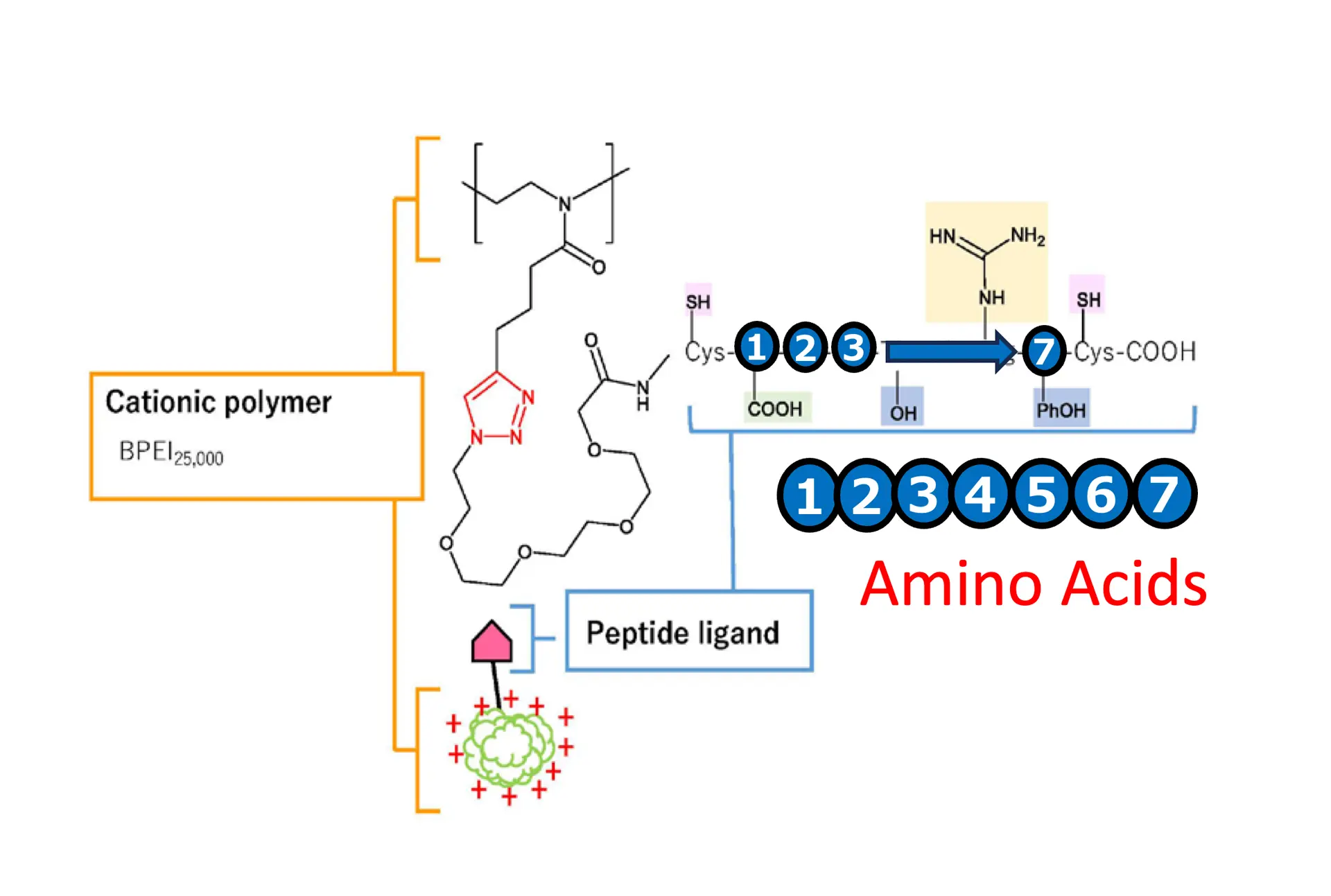
Using in vivo biopanning, next-generation sequencing, bioinformatics, and other methods, the researchers seek peptide sequences that recognize specific cells and tissues.
They then evaluate the selectivity and biological significance of candidate Biozipcode™ sequences and explore their diagnostic and therapeutic applications.
03 CANCER RESEARCH
Cancer Research
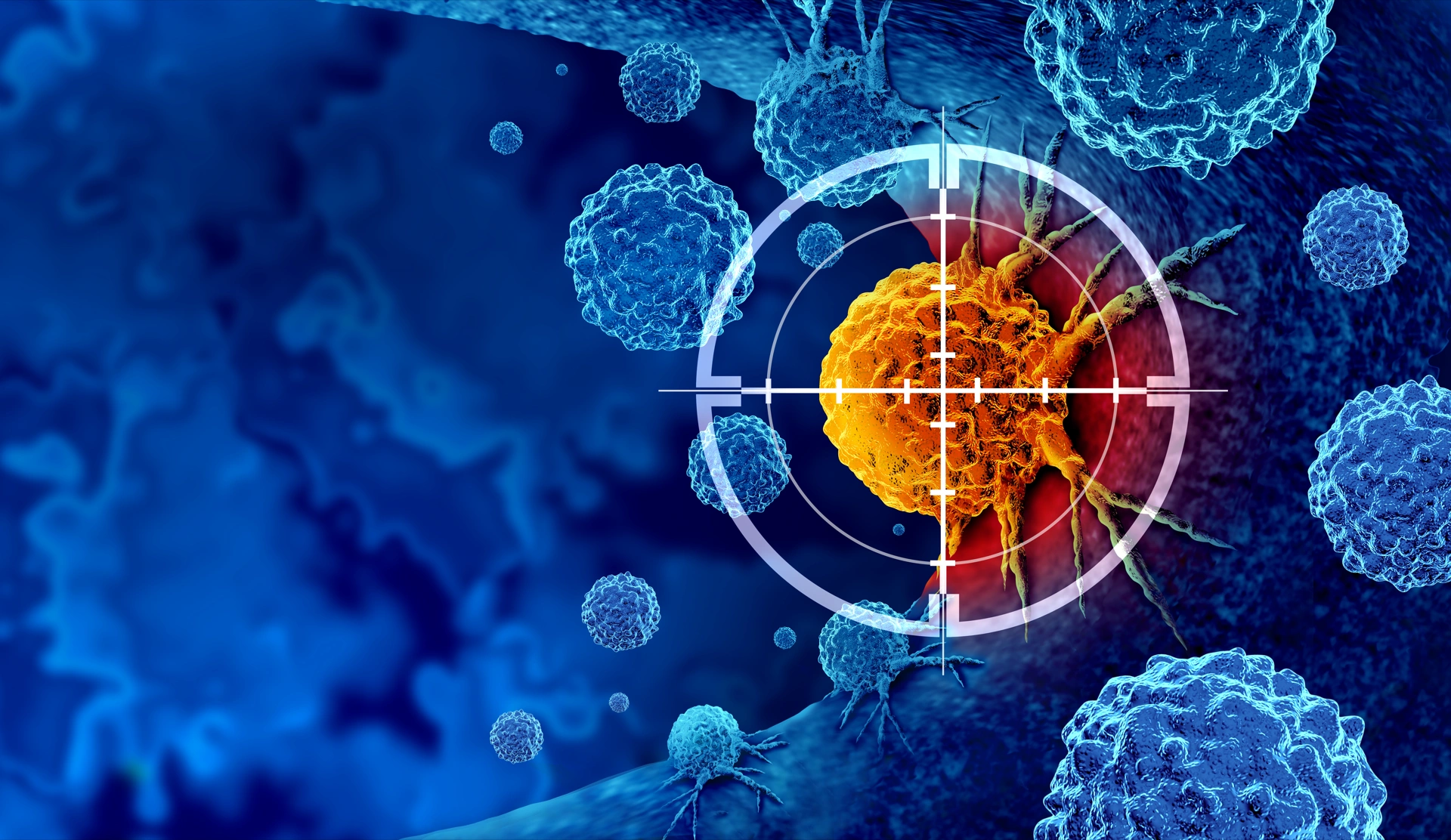
The research explores and analyzes candidate peptides that bind selectively to cancer cells by using differences between cancer and healthy cells.
In the longer term, the goal is to develop investigational cell-targeted therapies that deliver anticancer drugs, genes, nucleic acids, or diagnostic molecules to intended cells.
04 TISSUE REGENERATION
Tissue Regeneration & Medical Materials
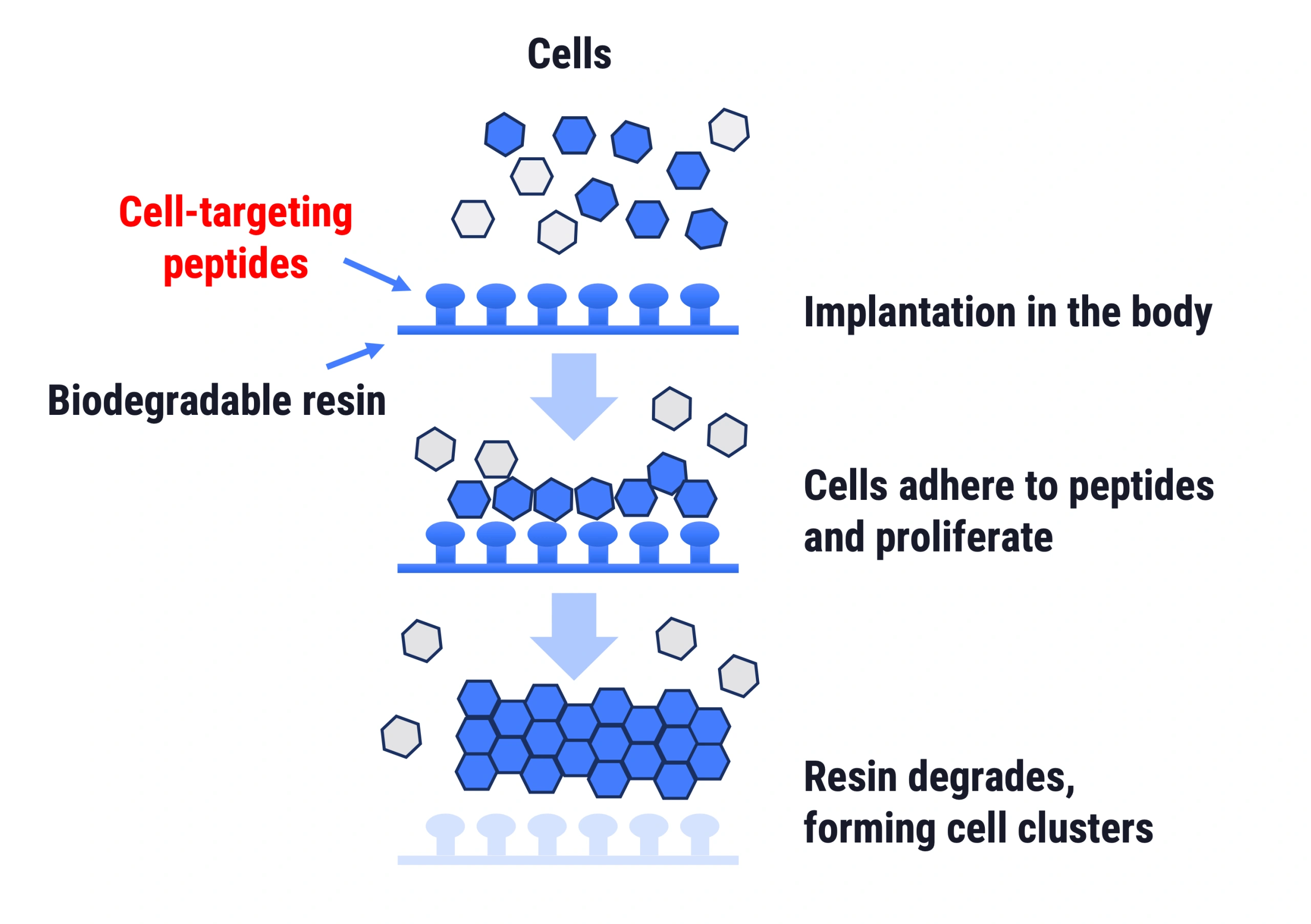
By combining cell-recognizing peptides with biomaterials, the department studies new materials designed to recruit needed cells and support tissue repair and regeneration.
Its research agenda includes not only new drug development but also medical materials intended to support tissue regeneration.
05 BIOINFORMATICS
In Silico Research & Bioinformatics
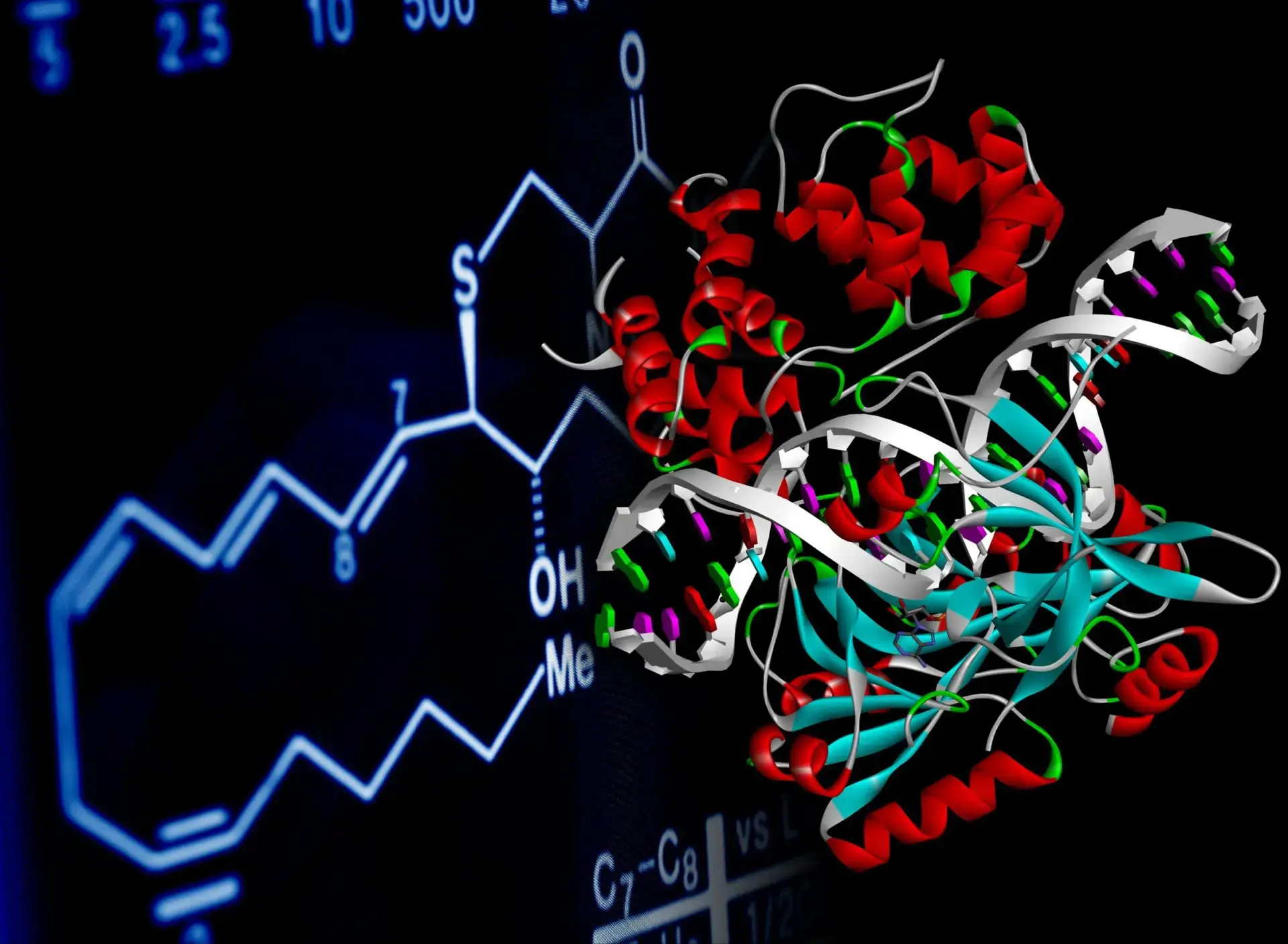
Biozipcode™ research requires analysis of large volumes of NGS sequence data and information on binding to organs and cells in the body.
It therefore draws on
- bioinformatics
- large-scale sequence analysis
- statistical analysis
- AI
- high-performance computing
as a foundation for in silico research.
06 PHYSICAL AI
Physical AI

In life science and medical research, AI can contribute beyond data analysis through physical AI that connects with laboratory instruments, robots, sensors, and imaging devices to perceive, assess, and control the physical environment.
The Department of Biocommunication Development aims to combine the large volumes of biological information generated by Biozipcode™ and cell-targeting research with robotics and automation to build a research platform that can improve development capabilities and efficiency.
From AI that analyzes biological information to AI that interacts with cells, equipment, and clinical settings. By bringing together the interpretation of information through bioinformatics and action in the physical world through physical AI, the department aims to build a next-generation research environment spanning basic research and the practical application of diagnostics and therapies.

FROM SHIGA TO KYOTO
Advancing earlier research at Kyoto University.
The current collaboration traces back to around 2015, when Studio Makyu Co., Ltd. established a research base as part of a joint project with Shiga University of Medical Science.
From the outset, the work included in silico research support, bioinformatics, custom software development, and large-scale GPGPU computing alongside in vivo and in vitro experiments.
Biozipcode, Inc. was established in 2022 to carry forward and expand this work.
In April 2026, Kyoto University established the joint industry–academia Department of Biocommunication Development at its Graduate School of Medicine and Faculty of Medicine to advance the research further. Joint research began under the theme “Development of Cell-Targeted Therapy.”
HUMAN TRANSLATION
Human validation is the next research priority.
Research findings from animal models need validation in humans before they can inform clinical care.
Important next steps include
- samples from patients and healthy participants
- comparisons between disease subtypes
- flow cytometry and FACS
- biomarker evaluation
- organoids
- humanized models
- longitudinal clinical data
- bioinformatics
among other approaches.
Future work will also require biomarker validation in human samples, single-cell analysis, epigenomics, organoids, humanized animals, and longitudinal data analysis.
SOCIAL IMPLEMENTATION
Turning research findings into new diagnostics and therapies.
For research findings to reach clinical use, work beyond laboratory experiments is needed, including
- preclinical evaluation
- biomarker standardization
- product design for drugs and diagnostics
- CMC and manufacturing
- safety evaluation
- clinical studies and trials
- engagement with regulatory authorities
- intellectual property
- joint development with pharmaceutical companies
and related steps.
Biozipcode, Inc. aims to connect findings from its Kyoto University collaboration with pharmaceutical companies and research institutions in Japan and abroad, advancing new diagnostic and therapeutic strategies for difficult-to-treat diseases toward practical use.

From Science to Better Care.
To bring research into real-world use, we work with pharmaceutical companies, research institutions, healthcare providers, businesses, investors, and supporters in Japan and abroad.
Academic Collaboration Overview
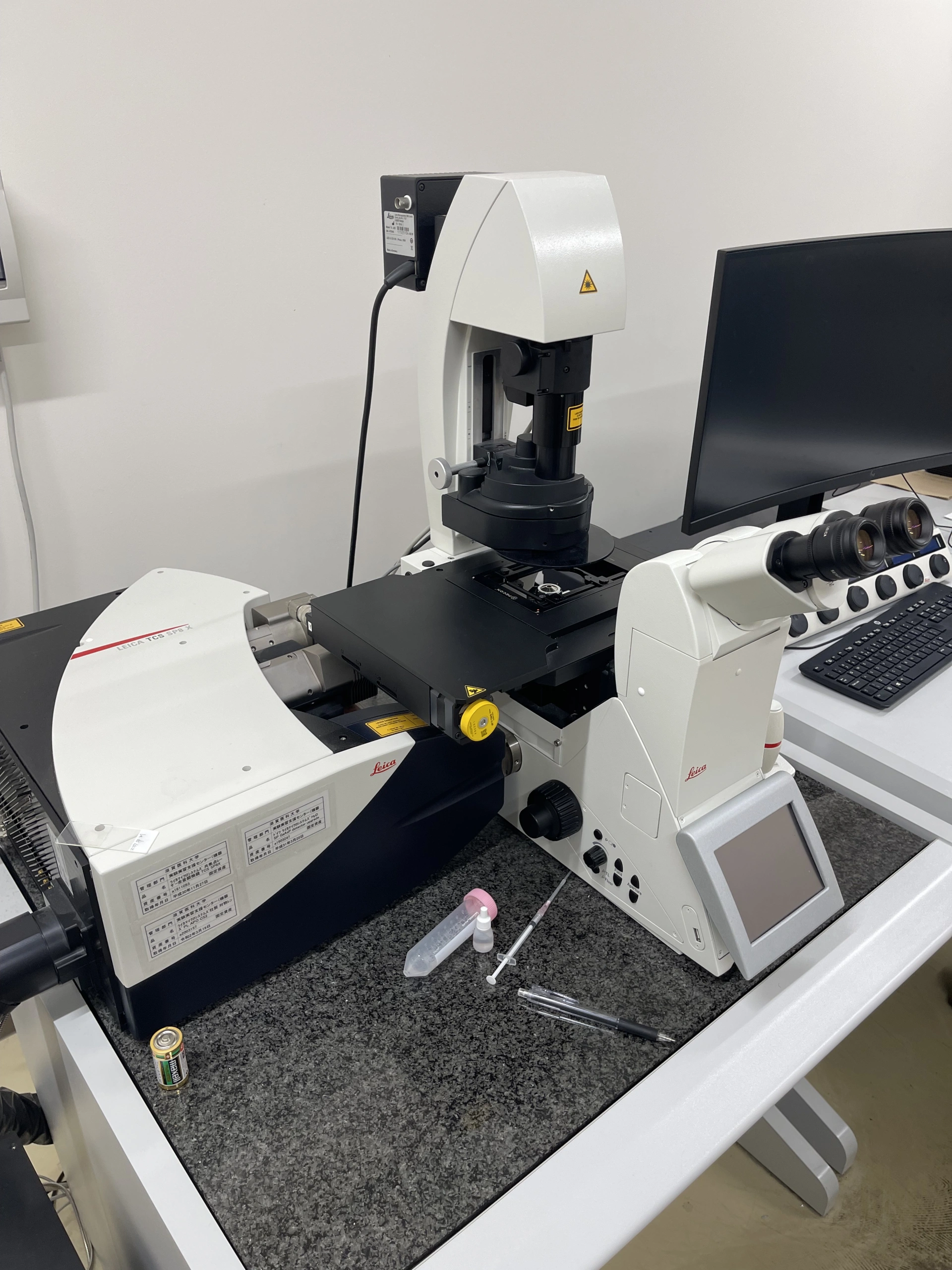
Through joint research with universities and research institutions, we aim to turn basic research findings into diagnostic and therapeutic technologies that can benefit society.
Through joint research with Kyoto University’s Graduate School of Medicine and Faculty of Medicine, we study difficult-to-treat diseases using cell-targeting technology.

We conduct basic and applied research with universities, research institutions, and healthcare organizations in Japan and abroad, drawing on their complementary expertise.