

RESEARCH COLLABORATION
Research Collaboration
Turn research hypotheses
into data that guide the next development decision.
Through collaborations with universities, research institutions, medical centers, and pharmaceutical and biotech companies, Biozipcode, Inc. aims to turn new research hypotheses into reproducible data and developable technologies.
Our core research strengths are research into “diabetes stem cells” (DSCs), a proposed cell population involving abnormal hematopoietic stem cells thought to contribute to persistent diabetes and its complications, and Biozipcode™ cell-targeting technology, which seeks short peptides that selectively recognize specific cells and tissues.
In collaborative research, we aim to define more than a research topic. We ask:
What must we demonstrate?
Which data will support the next step?
Which therapeutic or diagnostic technologies could follow?
By defining these questions at the outset, we can build a research program that leads, as results warrant, to further studies, patents, licensing, and co-development.
Its content includes research hypotheses, preclinical studies, early human research, and future development plans. It does not imply established efficacy or safety in humans or regulatory approval of any therapeutic or diagnostic technologies described.
This page does not solicit investments, deposits, loans, or other funds from the general public. Collaborative research, business partnerships, research support, licensing, and other transactions will be discussed individually where appropriate and carried out under formal agreements.
Detailed research data, intellectual property, and development information may be disclosed after an NDA is signed, as appropriate.
WHY COLLABORATE WITH BIOZIPCODE?
Three foundations connecting research to development.
DISEASE BIOLOGY
Two Decades of Diabetes & Stem Cell Research
Our research spans more than 20 years of work on diabetes, bone marrow-derived cells, hematopoietic stem cells, neuropathy, tissue regeneration, and related areas.
A 2023 preclinical study in Communications Biology reported sustained normoglycemia in mice with STZ-induced diabetes after a temporary course of insulin and an HDAC inhibitor.
A peer-reviewed 2026 paper also examined peripheral blood CD34-positive cell subsets in people with type 2 diabetes as a candidate cellular biomarker, advancing work from animal research toward human validation.
BIOZIPCODE™ PLATFORM
Technology for Finding Target Cells
Biozipcode™ combines phage display, in vivo biopanning, NGS, and bioinformatics to discover short peptides that bind particular cells and tissues.
Our prior research includes targeted peptides and studies of gene and siRNA delivery involving the nervous system, spinal cord, microglia, and cancer. We are now exploring applications in diabetes stem cells, cancer, and tissue regeneration.
TRANSLATIONAL DEVELOPMENT
Designing Research for Product Development
The path from research findings to a product includes:
Discovery
→ Validation
→ Intellectual Property
→ Preclinical Development
→ Clinical Development
This pathway informs the design of our collaborations.
Alongside publications, we prioritize data that support the next investment, licensing, or development decision.
PRIORITY RESEARCH AREAS
Priority Areas for Collaboration
HUMAN VALIDATION
Human Validation of Diabetes Stem Cells
This is one of our most important areas for collaborative research.
We aim to test whether the abnormal hematopoietic stem and progenitor cells studied in mice can also be identified reproducibly in people with diabetes.
We will examine how cellular phenotypes relate to:
- type 1 and type 2 diabetes
- healthy controls
- disease duration
- disease severity
- diabetic complications
- before and after treatment
- remission and relapse
These factors will help clarify the cellular phenotype in humans.
Expertise Needed
Patient cohorts / biobanks / multicolor flow cytometry / FACS / single-cell analysis / epigenomics / clinical statistics
BIOMARKER & COMPANION DIAGNOSTICS
Biomarkers & Companion Diagnostics
Lock the research-use biomarker assay.
- multicolor flow cytometry
- FACS
- Biozipcode™ cell capture
- assay reproducibility
- sensitivity / specificity
- sample stability
We will quantify these analytical measures.
BIOZIPCODE™ DISCOVERY
Discovering New Cell-Targeting Peptides
We seek Biozipcode™ candidates for diseases, cells, and tissues relevant to our collaborators.
Potential targets include:
- disease-specific cells
- cancer cells
- immune cells
- neurons
- stem and progenitor cells
- organ vasculature
- tissue compartments
These are among possible targets.
Beyond candidate discovery, we assess affinity, specificity, reproducibility, and targeting of human cells in collaborative studies.
TARGETED DRUG DELIVERY
DDS & Investigational Cell-Targeted Therapies
By combining a collaborator’s therapeutic molecules with Biozipcode™, we can explore existing payloads × new cell targeting as a joint development concept.
Potential payloads include:
- small-molecule drugs
- nucleic acid therapeutics
- siRNA
- mRNA
- genes
- proteins
- cytotoxic molecules
These are among the payloads we envision.
We can also explore whether cell targeting could help reevaluate existing compounds or candidates whose off-target effects pose a development challenge.
DISEASE-MODIFYING DIABETES THERAPY
Research Toward Complete Diabetes Remission
We are investigating a disease-modifying treatment approach that combines blood glucose stabilization with insulin or other agents and intervention in abnormal cell states, aiming to sustain improvement after treatment ends.
Next steps include:
- validating the human target
- defining the therapeutic candidate
- dose / schedule
- PK / PD
- durability
- biomarker response
These parameters need to be defined before the program advances to nonclinical studies designed to meet regulatory requirements.
ONCOLOGY & REGENERATIVE MEDICINE
Cancer & Tissue Regeneration
We are exploring Biozipcode™ applications to deliver treatments to cancer cells or recruit the cells needed at a site of regeneration.
We welcome collaboration in areas where cell selectivity matters, including cancer, wound healing, skin regeneration, vascular repair, and neuroscience.
BIOINFORMATICS, AI & PHYSICAL AI
Bioinformatics, AI & Physical AI
By integrating NGS, cell imaging, clinical information, and peptide sequences, we can advance
- sequence analysis
- single-cell analysis
- AI models
- biomarker discovery
- image analysis
- experimental automation
- robotics
as areas of collaborative research.
We also see physical AI, which connects life sciences, computational methods, and laboratory equipment, as an area for future collaboration.
WHAT BIOZIPCODE BRINGS
What Biozipcode, Inc. Can Contribute
SCIENTIFIC KNOW-HOW
Research expertise in diabetes, hematopoietic stem cells, bone marrow-derived cells, and cell targeting
BIOZIPCODE™ PLATFORM
Phage display, in vivo biopanning, NGS, and sequence analysis
BIOMARKER PROGRAM
Cellular biomarker research on candidate diabetes stem cells
INTELLECTUAL PROPERTY
International patent families concerning diabetes treatment and diagnosis, abnormal stem cells, and HDAC-related mechanisms
BIOINFORMATICS
Large-scale sequence and data analysis
ACADEMIC NETWORK
Research networks in Japan and abroad, including Kyoto University
We aim to combine these resources with our collaborators’ technologies, samples, therapeutic candidates, facilities, and clinical infrastructure.

HOW WE START
Start with One Research Question
A collaboration does not have to begin with a co-development agreement or a large project.
We first exchange information about each party’s research and technology, then define a research question worth testing together.
Where appropriate, we sign an NDA and review existing data, intellectual property, and experimental systems. We then agree on the research plan, responsibilities, milestones, budget, IP, and publication arrangements.
As results emerge, we can move in stages through:
Additional Research → Patents → Option / License → Co-Development → Nonclinical & Clinical Development
Each step depends on the results of the preceding work.

BUILD THE NEXT EVIDENCE WITH US
Build the Next Evidence Together
Biozipcode, Inc. still has research questions to answer.
We also have a foundation for further validation: more than 20 years of diabetes research, cell-targeting research, peer-reviewed papers, human biomarker studies, and intellectual property.
We are looking for partners to help test the next questions.
What must we demonstrate next
to move closer to new medical care?
We welcome collaborative research with pharmaceutical companies, universities, medical institutions, research organizations, and technology companies that want to answer that question and generate the data together.
For Partners

Building on diabetes stem cell research and Biozipcode™ cell-targeting technology, we are advancing new diagnostic and therapeutic technologies for difficult-to-treat diseases.
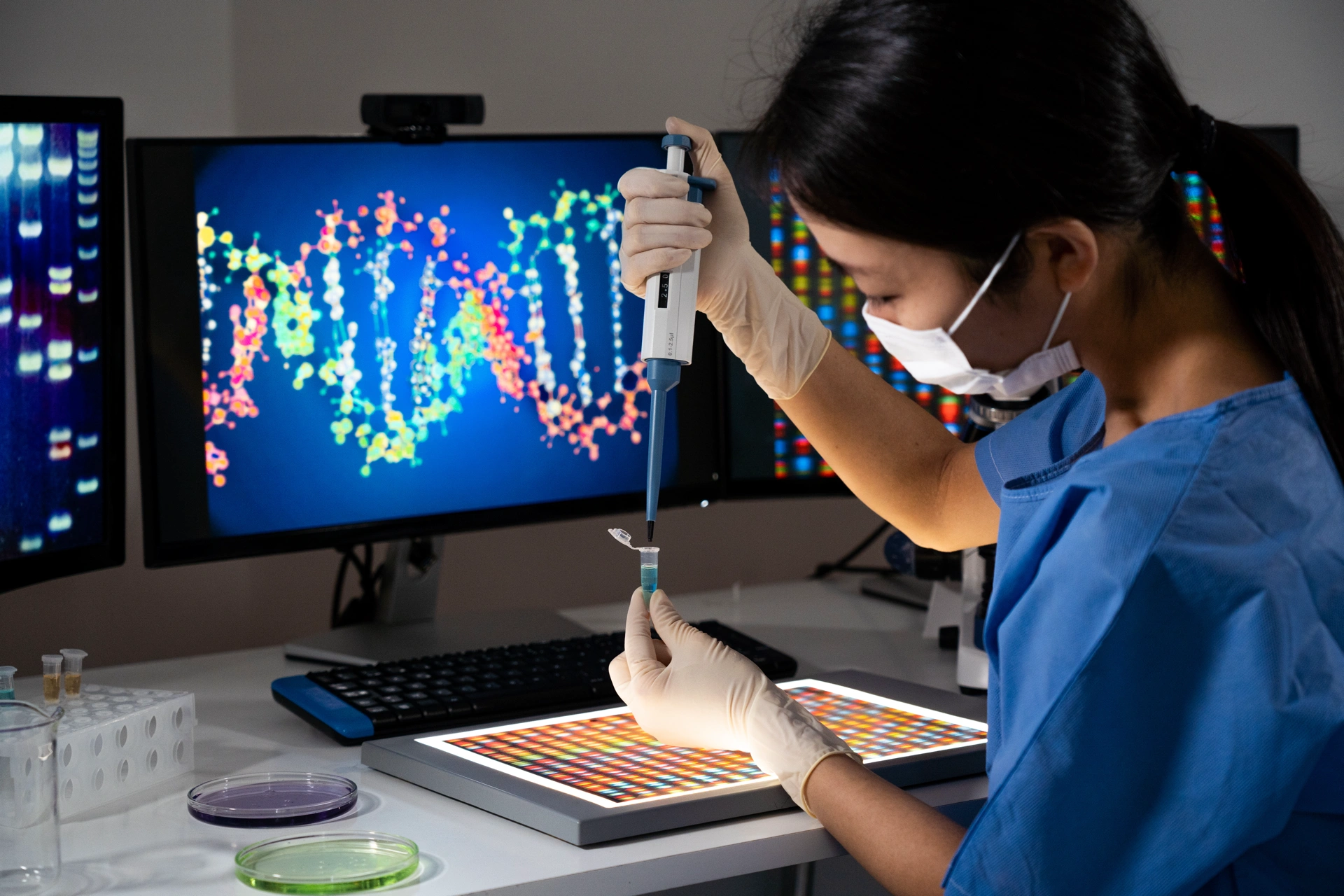
We work with pharmaceutical companies and research institutions to advance research, development, and practical applications based on diabetes stem cell research, Biozipcode™, and related research platforms.
We conduct collaborative research with universities, research institutions, medical institutions, and companies in fields including diabetes, cancer, regenerative medicine, biomarkers, and drug delivery systems (DDS).

We are exploring technology licensing for research findings involving diabetes treatment and diagnosis, abnormal stem cells, HDAC-related technologies, and Biozipcode™.
A cell-targeting platform that identifies short peptide sequences recognizing specific cells and tissues for potential diagnostic and drug delivery applications.

We are considering strategic investment and equity partnerships that offer business synergies and support research, development, and practical applications over the medium to long term.

Access materials on Biozipcode, Inc., its research and technologies, pipeline, research collaborations, licensing, and related topics.