
CELL-TARGETED TISSUE REGENERATION
Cell-Targeted Tissue Regeneration
The right cells, in the right place.
Regenerating damaged tissue involves more than covering a wound with a material. Cells needed for repair must reach the site, attach, proliferate, and help rebuild the tissue.
Biozipcode, Inc. is researching how to apply Biozipcode™ short peptides that recognize specific cells or tissues to biomaterials, with the aim of guiding the cells needed for regeneration to the intended site.
Biozipcode™ has been studied as a cell-targeting technology for delivering drugs or genes to target cells.
We are extending this concept to tissue regeneration, aiming to
go beyond delivering therapeutic molecules to cells
and guide the cells needed for regeneration to the right place.
This is the aim of this pipeline.
The cell-targeted scaffolds, recruitment of cells by biodegradable materials, potential reduction in cell transplantation or suturing, layered tissue regeneration, and possible reduction of hypertrophic scarring and keloids described here are research aims or hypotheses. Their efficacy and safety in humans have not been established.
Clinical use will require thorough preclinical and clinical evaluation of target-cell selectivity, material compatibility, tissue formation, safety, inflammatory and immune responses, and manufacturing quality.
WHY CELL TARGETING FOR REGENERATION?
Why does tissue regeneration need cell targeting?
When tissue is damaged, many types of cells take part in repair.
If the cells needed for regeneration do not gather in sufficient numbers or settle in the right place, normal tissue formation may be impaired.
We are therefore studying an approach that aims to
identify which cells are needed
↓
find Biozipcode™ sequences that recognize those cells
↓
attach Biozipcode™ to regenerative materials
↓
promote the attachment and accumulation of the needed cells
This is the approach we are studying.
We aim to move beyond simply placing a material and toward a material that selectively recruits cells.
This is the central concept behind Biozipcode™-based regenerative materials.
THE CONCEPT
Biozipcode™ × Biomaterial
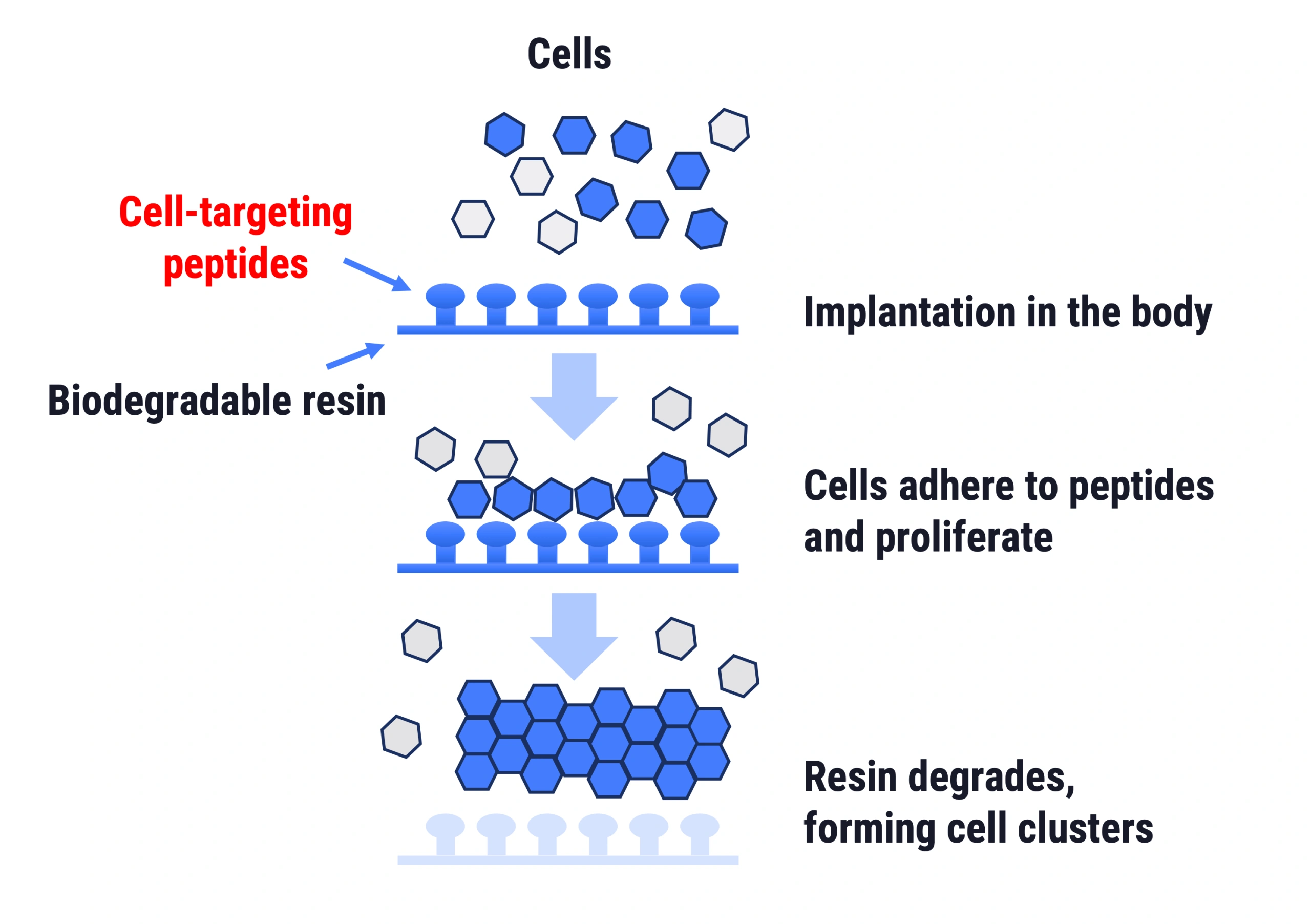
Research materials describe a tissue regeneration concept that combines cell-targeting peptides with biodegradable materials.
The proposed sequence is:
Biodegradable material
+
Biozipcode™ cell-targeting peptide
↓
Placement at a regeneration site in the body
↓
Target cells attach to the peptide
↓
Cells proliferate and accumulate
↓
The material gradually degrades
↓
Cells and tissue remain, supporting tissue formation
In this model, Biozipcode™ goes beyond drug delivery.
We aim to use it as an interface between cells and materials.
CELL-TARGETING PEPTIDE
Identifying the cells we need.
The first step in tissue regeneration is deciding which cells should be recruited to the site.
Biozipcode™ research uses phage display, in vivo biopanning, NGS, and bioinformatics to find short peptides that bind to specific cells or tissues.
For a seven-amino-acid peptide, there are 20⁷ ≒ 1.28 billion possible sequences.
From these, we compare
sequences that bind target cells
with
sequences that bind other cells
to narrow down more selective candidates.
For tissue regeneration, we aim to use this cell-recognition capacity to give a material the ability to recruit specific cells.
MATERIAL AS A CELL-SELECTIVE SCAFFOLD
From a scaffold to a scaffold that selects cells.
Regenerative medicine uses materials that support cell attachment and growth as scaffolds.
By incorporating Biozipcode™ into a scaffold, we aim to move from a
CONVENTIONAL SCAFFOLD
which provides a physical environment for cells to attach and grow,
toward a
CELL-TARGETED SCAFFOLD
which carries cell-recognizing peptides on its surface to promote target-cell attachment and accumulation.
This remains a research goal.
FROM DRUG DELIVERY TO CELL RECRUITMENT
From delivering drugs to recruiting cells.
The core idea behind Biozipcode™ is recognizing a target.
In drug development,
Biozipcode™ + drug
could deliver treatment to target cells.
In tissue regeneration,
Biozipcode™ + biomaterial
could help recruit target cells to a regeneration site.
This research extends the same cell-targeting platform from
DELIVERY (bringing drugs to cells)
to
RECRUITMENT (drawing cells to a regeneration site)
as a new application.
CELL-FREE APPROACH
The potential for regeneration without pre-seeding cells.
One feature of this research concept is its aim to attract a patient’s own cells, or cells already present in the body, to the material.
Some tissue-engineering approaches collect and culture cells, seed them onto a material, and then implant it.
A cell-targeted scaffold instead aims to
place the material
↓
recruit target cells in the body
↓
support cell attachment and growth on the material
as a potential alternative approach.
If successful for particular uses, it might simplify cell collection, culture, and transplantation.
The idea that cell transplantation could be avoided has not been clinically established; it remains a research hypothesis to test.
BIOZIPCODE™ AS A MATERIAL INTERFACE
Connecting materials and cells with peptides.
In this pipeline, Biozipcode™ is intended as a cell-recognition tool rather than a drug that acts on cells.
We are exploring its role at the Material ↔ Cell interface.
This approach considers
which material to use
as well as
which cells should attach to it
in the design of regenerative materials.
MULTI-CELL TARGETING
Multiple Biozipcode™ sequences for one tissue.
Organs and tissues contain many types of cells.
Regenerating a complex tissue may therefore require recruiting more than one cell type.
In the future, we aim to combine targeting peptides such as
Biozipcode™ A → endothelial-lineage cells
Biozipcode™ B → pericytes
Biozipcode™ C → tissue progenitor cells
to help reconstruct more complex tissue structures.
This also connects with research to build a “cell address book” of Biozipcode™ sequences.
CURRENT DEVELOPMENT STAGE
Current Development Stage
This pipeline is currently at the RESEARCH / PRECLINICAL RESEARCH stage.
Biozipcode™ cell-targeting technology has a research history in peptide discovery and targeting for the nervous system, cancer, and other applications.
Cell-targeted tissue-regeneration scaffolds incorporating those peptides still require basic research and preclinical proof of concept.
TISSUE REGENERATION CONCEPT
A Cell-Targeted Regeneration Concept
We are studying a regenerative approach that uses Biozipcode™ to recognize cells needed for tissue repair and recruit them to biomaterials, with the aim of supporting cell attachment, cell accumulation, blood vessel formation, and tissue formation.
Potential applications include wound healing and skin regeneration, vascularized tissue repair, and neural and soft tissues. Our goal is to develop regenerative technology that connects cells with biomaterials.
APPLICATION 01
Wound Healing & Skin Regeneration

One potential application of this pipeline is skin injury and wound healing.
Burns and extensive skin injuries require more than covering the damaged area. They also involve
- blood vessel formation
- dermis formation
- epithelialization
- extracellular matrix remodeling
and other regenerative processes.
We are studying how Biozipcode™ could recruit the needed cells to a material and support more natural tissue repair.
APPLICATION 02
Vascular & Tissue Repair
Tissue regeneration depends not only on cells, but also on blood vessel formation and the perivascular environment.
Research models suggest that bone marrow-derived cells may contribute to organ repair as endothelial cells, pericytes, or other cell types, and that the perivascular niche is important in tissue regeneration.
If Biozipcode™ could identify and recruit
- endothelial-lineage cells
- pericytes
- tissue progenitor cells
and other specific populations, the approach might support vascularized tissue repair.
APPLICATION 03
Neural & Soft Tissue Applications
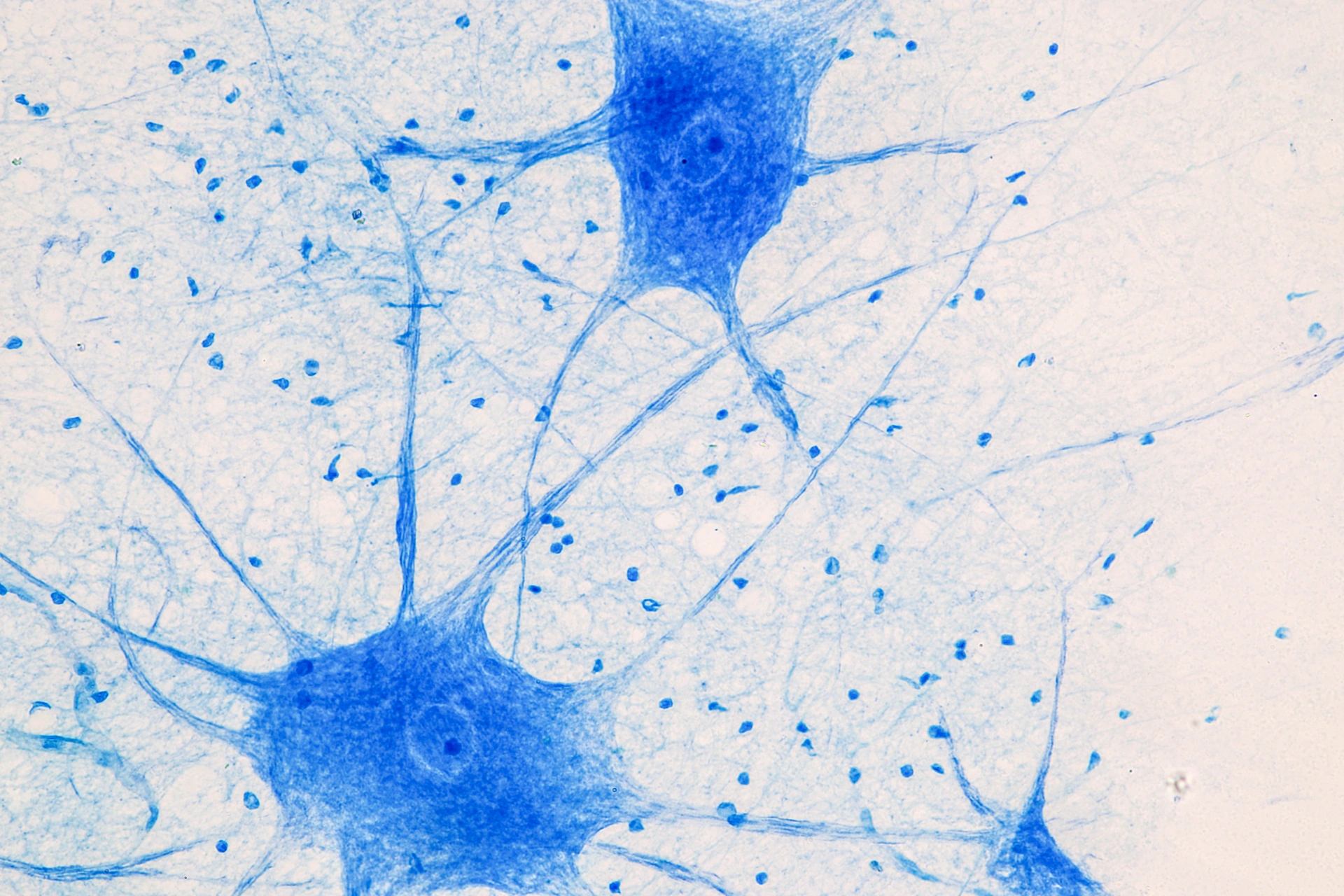
The research underlying Biozipcode™ includes targeting studies involving DRG neurons, the spinal cord, microglia, and other nervous-system cells.
We are exploring whether this peptide-discovery approach could eventually support materials for regeneration of neural and surrounding tissues.
No specific clinical neural-regeneration material has been established at this stage.

OUR GOAL
Giving materials information about
which cells to recruit.
Conventional regenerative materials mainly provide a place for cells to grow.
By adding Biozipcode™ cell targeting, we aim to design future materials around
which cells to recruit
where to bring them
how to form tissue
as well as the material itself.
TARGET THE CELL.
GUIDE THE CELL.
REBUILD THE TISSUE.
Our goal is to combine cells’ natural regenerative capacity with Biozipcode™ cell-recognition technology to build a new tissue-regeneration platform.

PARTNERING
Developing new regenerative materials together.
We are seeking research and development partners in the following areas:
- plastic surgery and wound healing
- regenerative medicine
- dermatology
- stem and progenitor cell research
- vascular biology
- peptide science
- biomaterials
- biodegradable polymers
- hydrogels
- 3D scaffold
- tissue engineering
- medical devices
- preclinical safety
- manufacturing and CMC
- medical device and regenerative medicine regulation
Pipeline Overview

Our R&D programs span diabetes, cancer, and tissue regeneration, including therapeutic candidates, biomarkers, and cell-targeted drug candidates.
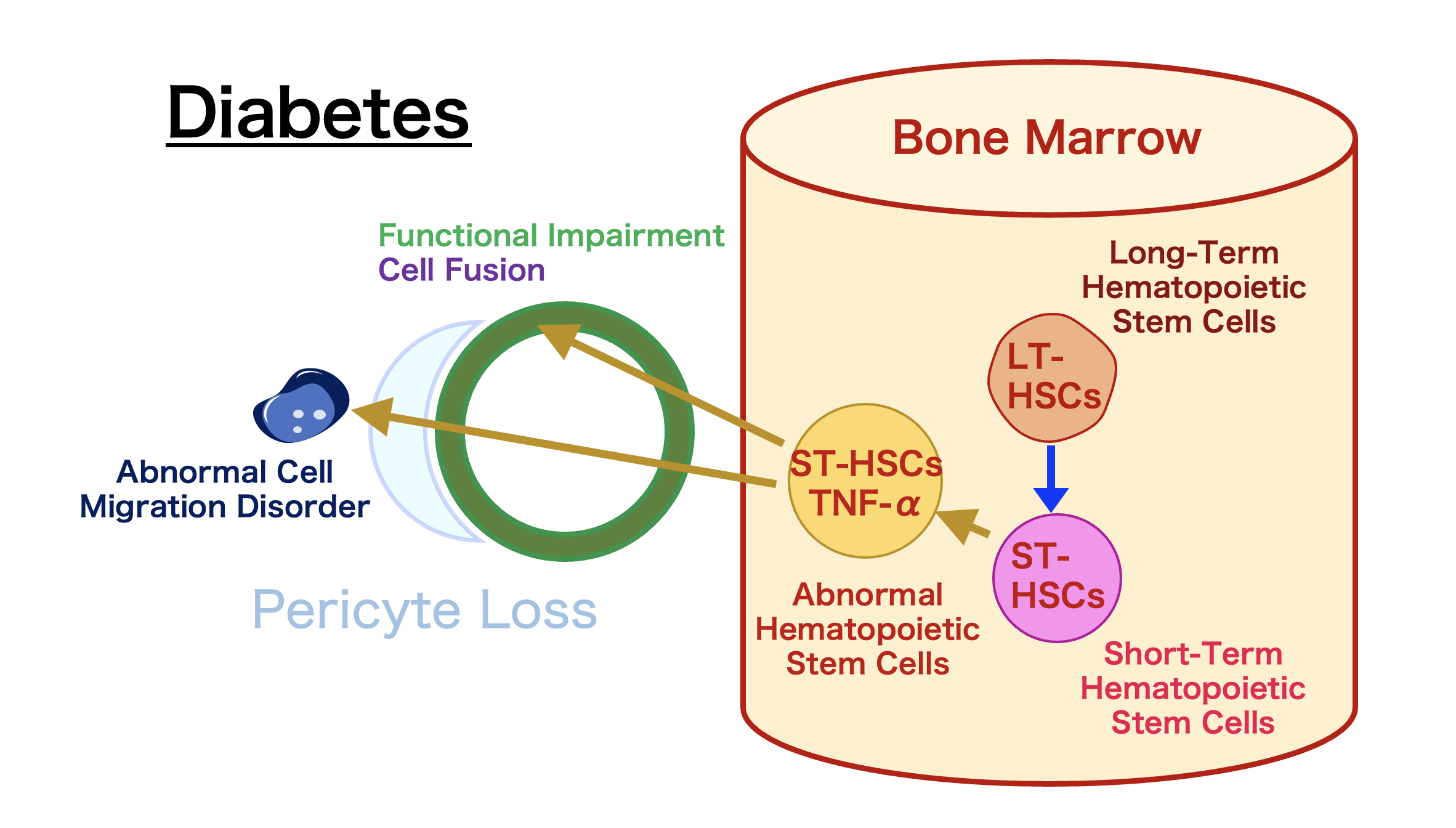
We are investigating a therapeutic candidate aimed at complete remission of diabetes, with benefits that persist after treatment ends, by addressing mechanisms that sustain the disease.
We aim to measure cells and signals associated with diabetes stem cells for potential use in disease assessment, patient stratification, and monitoring treatment response.

We are developing investigational approaches that combine Biozipcode™ sequences recognizing diabetes stem cells with therapeutic molecules to act selectively on target cells.
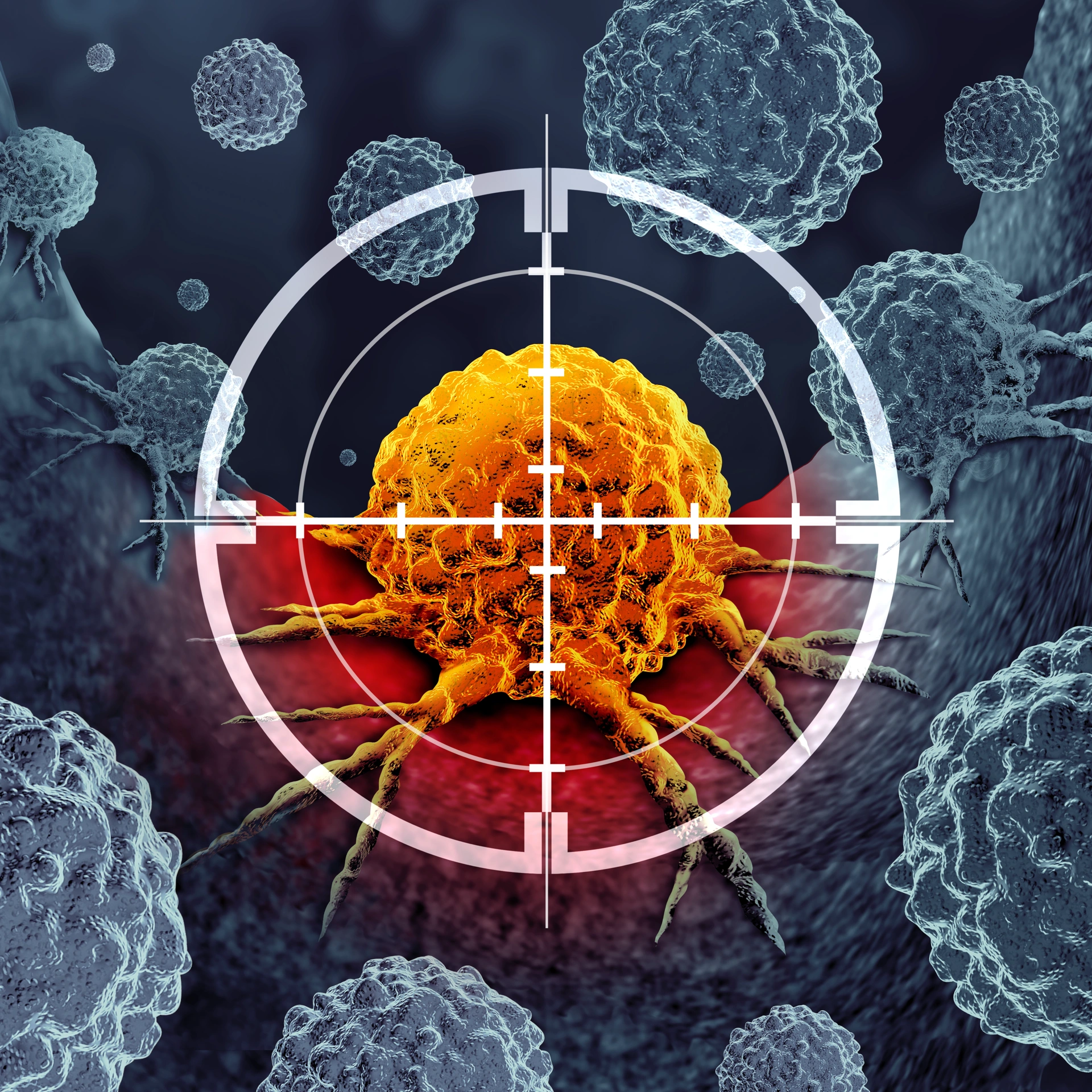
We are studying investigational approaches that use Biozipcode™ sequences recognizing cancer cells to deliver anticancer drugs or genes to target cells.
We aim to develop medical technologies that combine cell-guiding peptides with biomaterials to support wound healing and tissue regeneration.