
DIABETES REMISSION THERAPY
Diabetes Remission Therapy Candidate
Going beyond lowering blood glucose to
address the processes that may sustain diabetes.
Current diabetes care rightly focuses on managing blood glucose and HbA1c and preventing or slowing complications.
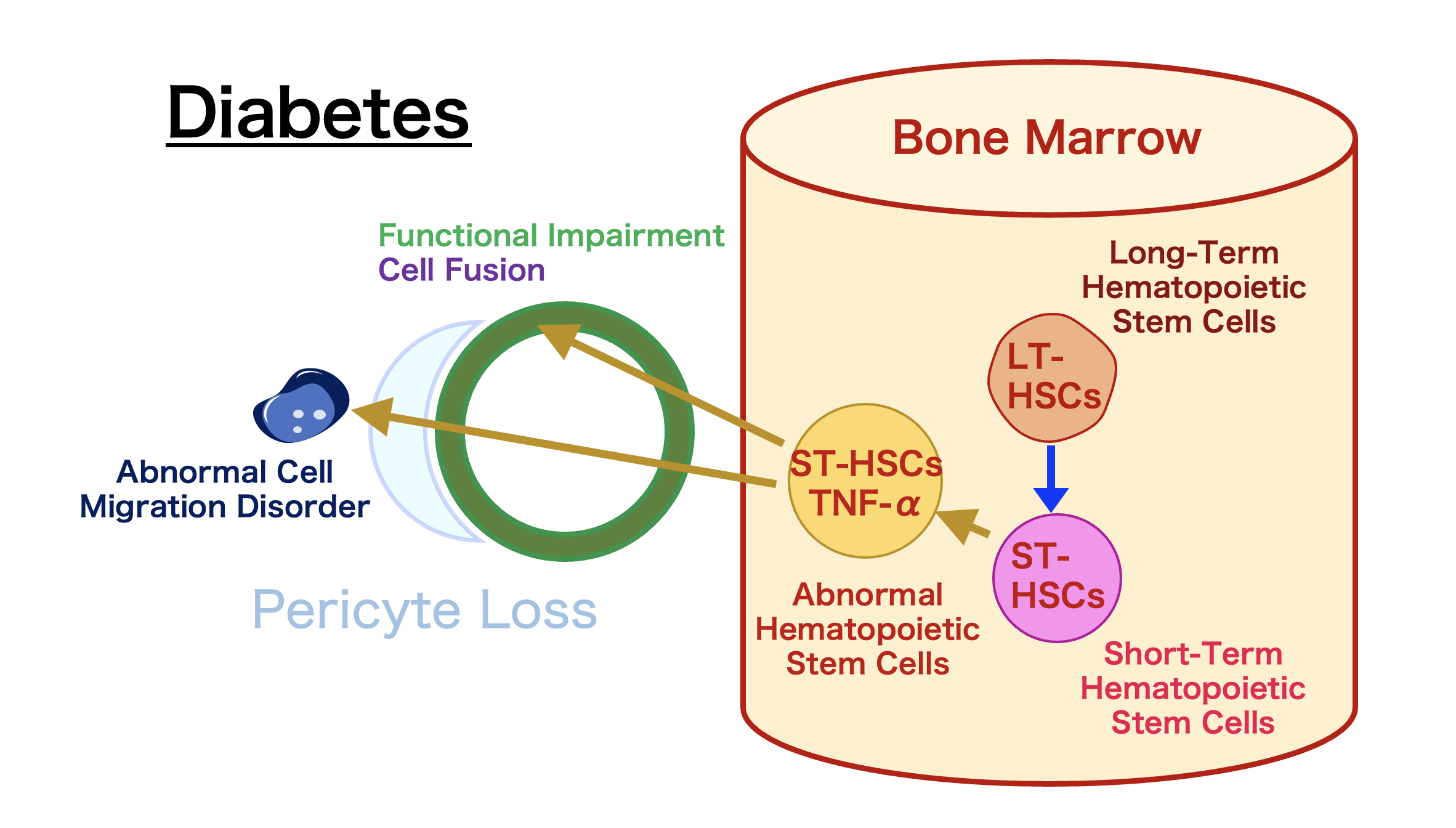
Biozipcode, Inc. and its collaborators are also studying whether abnormal hematopoietic stem cells and bone marrow-derived cells arising in diabetes can persist after blood glucose improves, potentially disrupting pancreatic beta-cell regeneration and tissue repair throughout the body.
For research purposes, we call the cell population thought to be involved “diabetes stem cells” (DSCs), and are investigating approaches that address the cellular states that may sustain diabetes, as well as blood glucose.
Our goal is a healthy metabolic state that lasts after treatment ends, rather than normal blood glucose only during treatment.
This is what we mean by “complete remission.”
DSCs have not been established as a standard diagnostic criterion for diabetes or as an approved biomarker. Their identity and frequency in humans, any causal relationship with diabetes, differences between type 1 and type 2 diabetes, links to complications, and ability to predict treatment response all require further validation.
WHY INSULIN ALONE MAY NOT BE ENOUGH
Normalizing blood glucose may not
normalize the underlying disease process.
Insulin is essential for lowering blood glucose.
Our research also considers the possibility that abnormal hematopoietic stem cells and bone marrow-derived cells formed during diabetes may remain after blood glucose improves.
In other words,
improving high blood glucose
and
reversing abnormal cellular states formed during hyperglycemia
may not
always be the same thing.
We are testing whether this difference helps explain why diabetes can persist over time.
PRECLINICAL EVIDENCE
Complete Remission Reported in Mice
In 2023, our research team published a study of STZ-induced diabetic mice in Communications Biology.
Complete remission of diabetes with a transient HDAC inhibitor and insulin in streptozotocin mice
In the study, diabetic mice received
blood glucose management with insulin
+
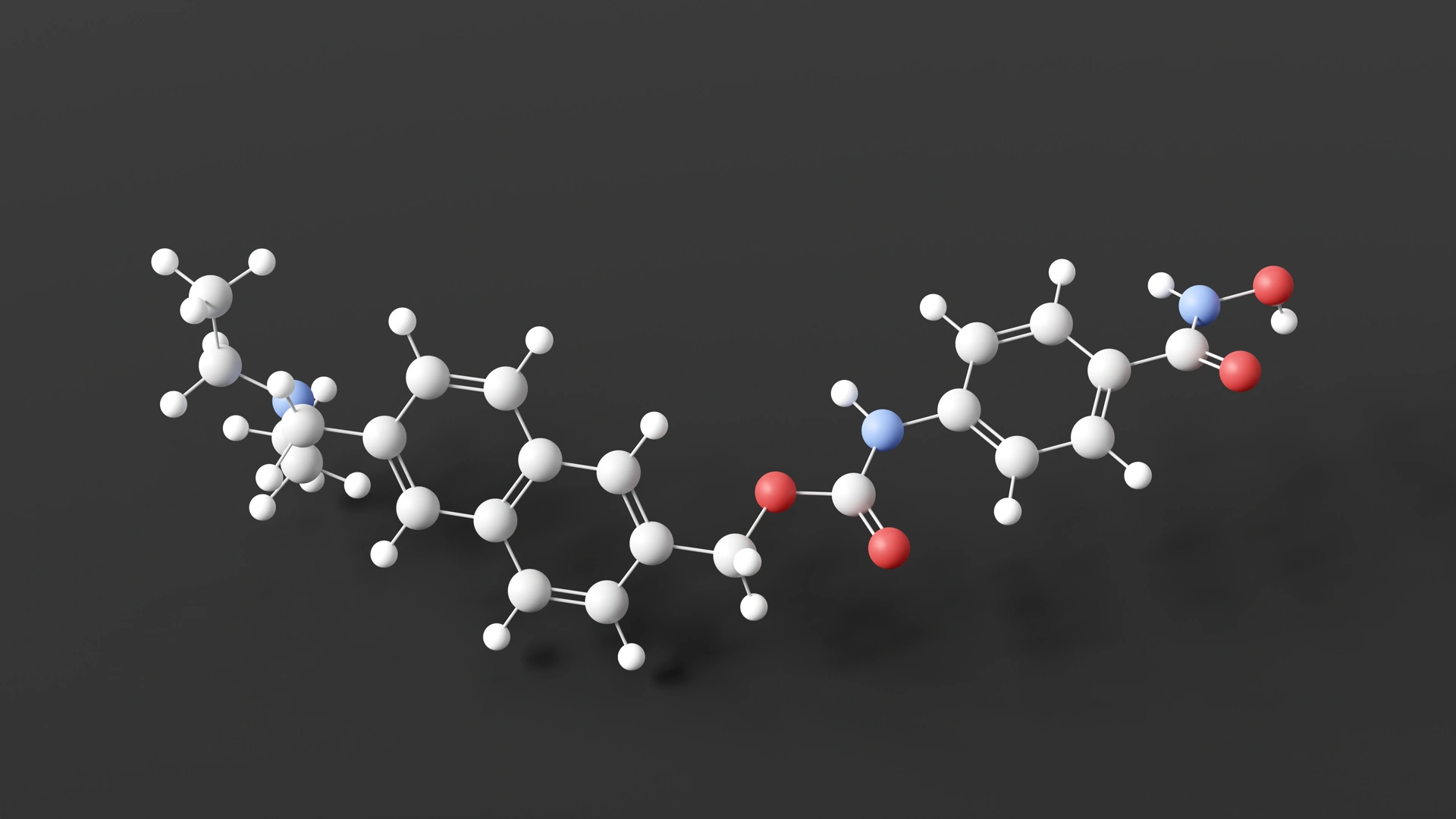
the HDAC inhibitor givinostat
for a limited period.
Normal blood glucose was reported to persist after treatment ended. The researchers also observed a recovery of endogenous insulin secretion, reduced changes associated with pathological bone marrow-derived cells, and less abnormal cell fusion.
We view these findings as a preclinical signal supporting a disease-modifying hypothesis. They do not establish efficacy or safety in humans; human studies are still needed.
EPIGENETIC INTERVENTION
Addressing the “memory of disease” in cells.
HDAC-related abnormalities have been reported in hematopoietic stem cells in diabetes models.
HDACs are associated with epigenetic processes that regulate gene activity without changing the DNA sequence itself.
We are studying the possibility of a sequence in which
High blood glucose
↓
Epigenetic changes arise in hematopoietic stem cells
↓
Abnormal cellular states persist
↓
Diabetes and its complications persist
This remains a research hypothesis.
Our diabetes remission therapy candidate therefore focuses on more than reducing blood glucose. We also consider normalizing abnormal cellular states an important potential therapeutic strategy.
BETA-CELL RECOVERY
Restoring the environment for beta-cell recovery,
not just targeting beta cells themselves.
In diabetes, the function of insulin-secreting pancreatic beta cells declines.
Under certain conditions, beta cells can regenerate and recover function.
Our research examines whether abnormal bone marrow-derived cells arising in diabetes may affect blood vessels and the regenerative environment around pancreatic islets, interfering with normal beta-cell recovery.
Our development approach therefore explores
not only stimulating beta cells directly, but also
removing barriers to their recovery
as a potential therapeutic strategy.
IMMUNE & THYMIC RECOVERY
Considering immune and thymus function in complete remission.
A 2023 mouse study also suggested that thymus function may be important to the protective effects of treatment.
The thymus plays a key role in developing the immune system, including T cells.
These findings suggest that complete remission may involve more than the pancreas alone, including
Bone marrow
+
Immune system and thymus
+
Pancreatic beta cells
+
Tissue regeneration throughout the body
as interrelated parts of a systemic process. We are investigating this possibility.
EXPLORATORY HUMAN RESEARCH
Exploratory Research Using Human Peripheral Blood
Our research team has also conducted an exploratory pilot study using peripheral blood from people with type 2 diabetes and nondiabetic controls.
Exploratory data from 13 nondiabetic controls and 14 people with type 2 diabetes examined cell populations using markers including proinsulin, TNF-α, and CD106.
These are early data for human diabetes stem cell research, but they do not establish a diagnostic method or clinical biomarker.
Prospective validation in larger patient groups is needed.
HUMAN TRANSLATION
The next step is validation in humans.
Complete remission in mice is an important research finding, but the same disease mechanism has not yet been established in human diabetes.
In people, the disease can vary substantially with
- type 1 versus type 2 diabetes
- time since onset
- remaining beta-cell function
- insulin resistance
- age
- complications
- immune status
- medicines being used
and other factors.
A key research question is whether the cell population termed “diabetes stem cells” can be reproducibly identified in humans and whether changes in that population are associated with treatment response.
5-ALA RESEARCH
Investigating 5-ALA as a separate research candidate.
Biozipcode, Inc. is also considering 5-ALA as one research candidate related to diabetes.
5-ALA is involved in heme synthesis and mitochondrial function, and human studies have examined its relationship with glucose metabolism.
At present, however,
5-ALA has not been shown to induce complete remission of diabetes.
We do not characterize 5-ALA as an established HDAC inhibitor or a curative medicine for diabetes.
As a separate research candidate, 5-ALA requires investigation of its mechanistic relationship with the proposed cell state and selection of an appropriate regulated development path.
NEXT-GENERATION TARGETED THERAPY
Toward directly targeting diabetes stem cells.
Our current therapeutic hypothesis involves intervening in HDAC-related mechanisms and other pathways.
However, medicines that act throughout the body may also affect cells outside the intended target.
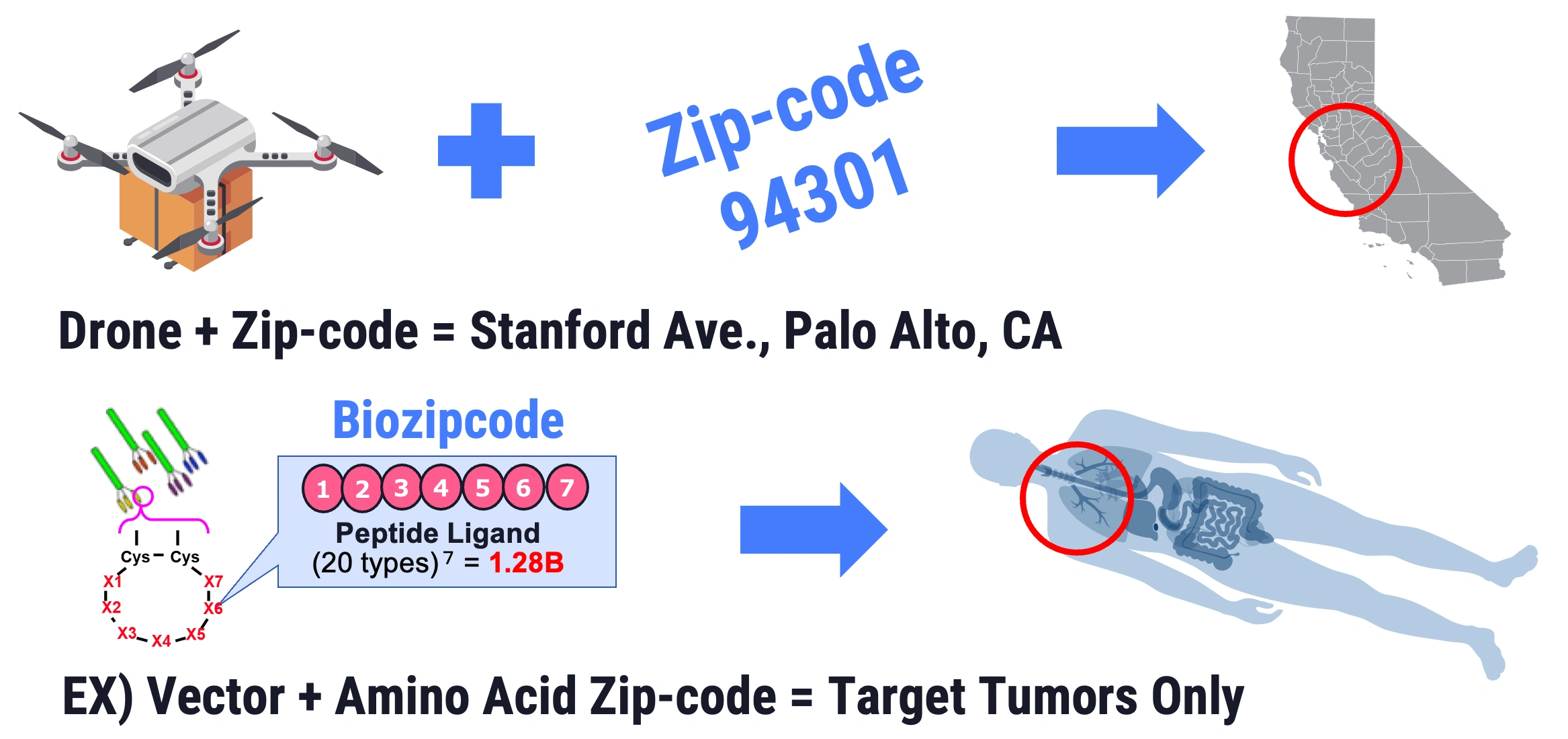
In the future, we aim to use Biozipcode™ cell-targeting technology to deliver therapeutic molecules more selectively to diabetes stem cells.
We are exploring the following development pathway:
Identification of target cells
↓
Delivery of therapeutic molecules
↓
Reduced off-target exposure
↓
Improved therapeutic index
This remains an investigational goal.
Pipeline Overview

Our R&D programs span diabetes, cancer, and tissue regeneration, including therapeutic candidates, biomarkers, and cell-targeted drug candidates.
We are investigating a therapeutic candidate aimed at complete remission of diabetes, with benefits that persist after treatment ends, by addressing mechanisms that sustain the disease.
We aim to measure cells and signals associated with diabetes stem cells for potential use in disease assessment, patient stratification, and monitoring treatment response.

We are developing investigational approaches that combine Biozipcode™ sequences recognizing diabetes stem cells with therapeutic molecules to act selectively on target cells.
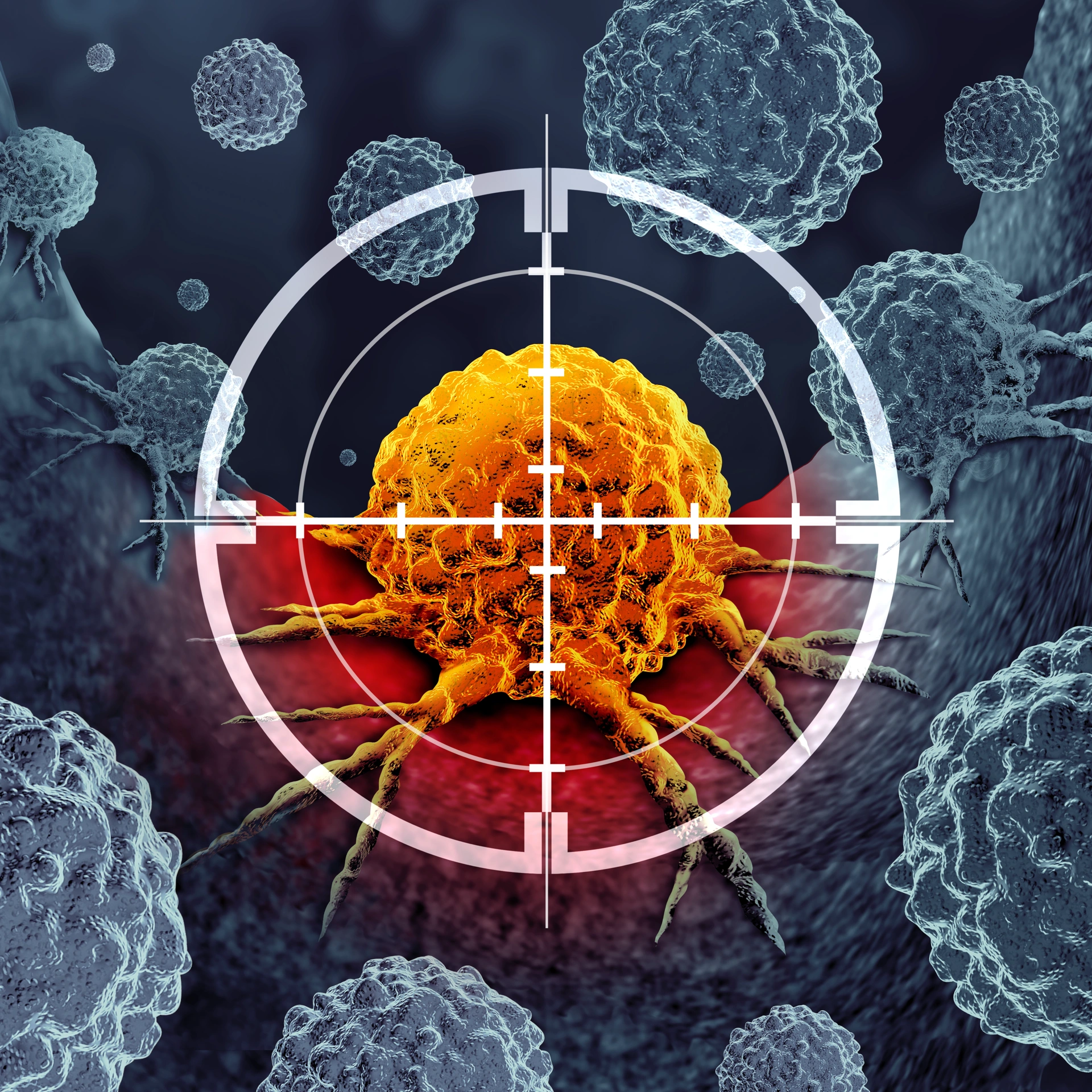
We are studying investigational approaches that use Biozipcode™ sequences recognizing cancer cells to deliver anticancer drugs or genes to target cells.
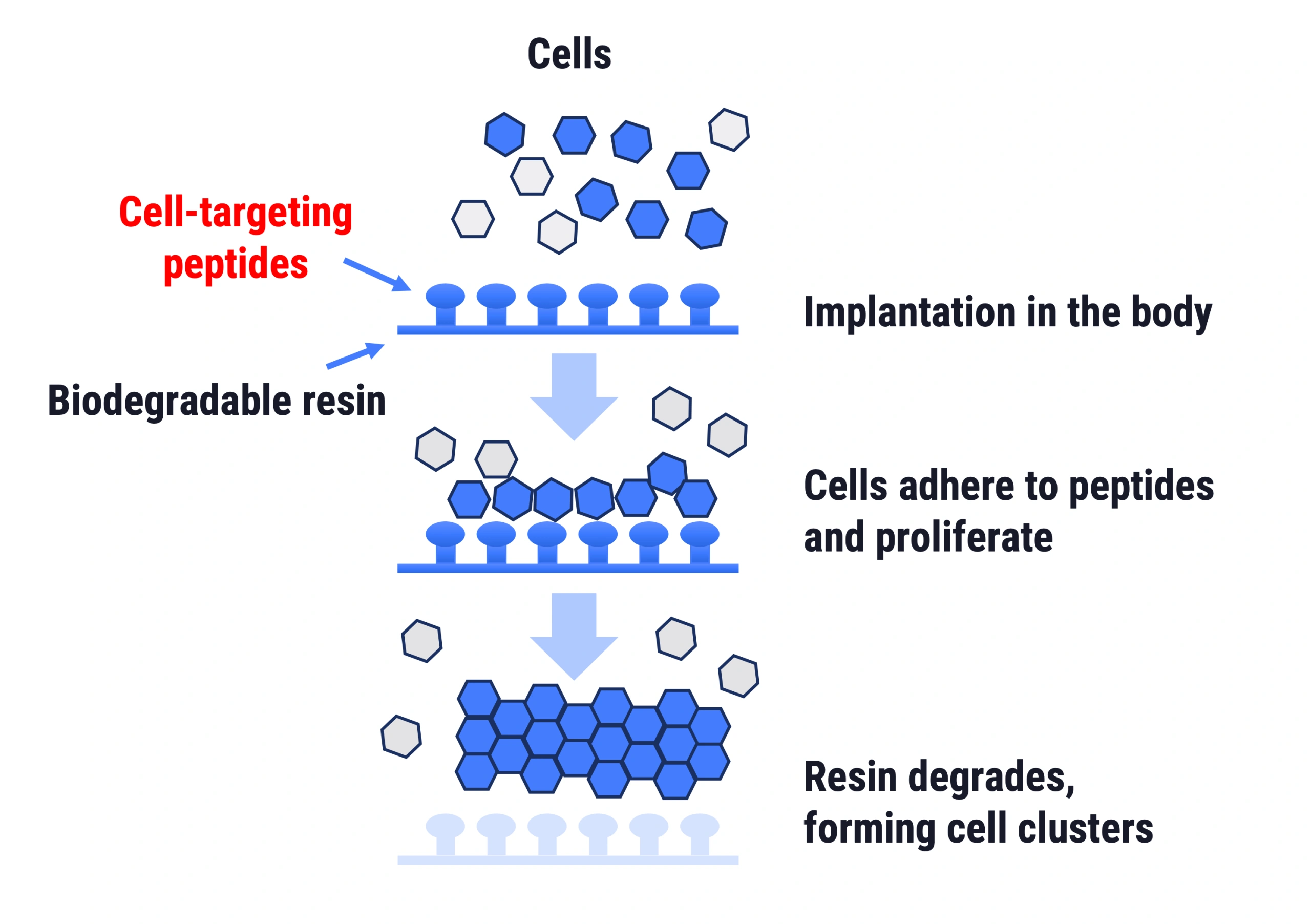
We aim to develop medical technologies that combine cell-guiding peptides with biomaterials to support wound healing and tissue regeneration.