
FOR PHARMA & RESEARCH INSTITUTIONS
For Pharmaceutical Companies & Research Institutions
From a new hypothesis
to investable, developable medical technologies.
Biozipcode, Inc. is a drug discovery biotech company built around research into “diabetes stem cells” (DSCs), a proposed cell population and Biozipcode™ cell-targeting technology. We seek to turn discoveries from academic research into reproducible data, intellectual property, diagnostic technologies, and investigational therapies.
Our goal is not simply to generate more interesting research. We aim to answer:
Who will be treated?
What will be targeted?
What can be protected exclusively?
Which data will support the next development decision?
With these questions defined, we aim to advance research and clinical development in stages with pharmaceutical companies, research and medical institutions, venture capital firms, diagnostics companies, CROs, and other partners.
Our current development strategy connects three areas rather than treating them as separate research themes: Therapeutics, Companion Diagnostics, and the Cell-Targeting Platform.
The research described here includes hypotheses, preclinical studies, early human research, and future development plans. Diabetes stem cells, therapeutic candidates, Biozipcode™, and biomarkers remain in research and development. They are not approved products with established efficacy and safety in humans.
This page does not solicit investments, deposits, loans, or other funds from the general public. Collaborative research, business partnerships, licensing, support, investment, and other transactions will be discussed individually where appropriate and conducted under formal agreements.
Detailed scientific, intellectual property, and development information may be disclosed after an NDA is signed, as appropriate.
OUR INVESTMENT & DEVELOPMENT THESIS
One disease hypothesis. Three development assets.
Our R&D program comprises three principal groups of assets.
DISEASE-MODIFYING THERAPEUTICS
Disease-Modifying Therapies for Diabetes
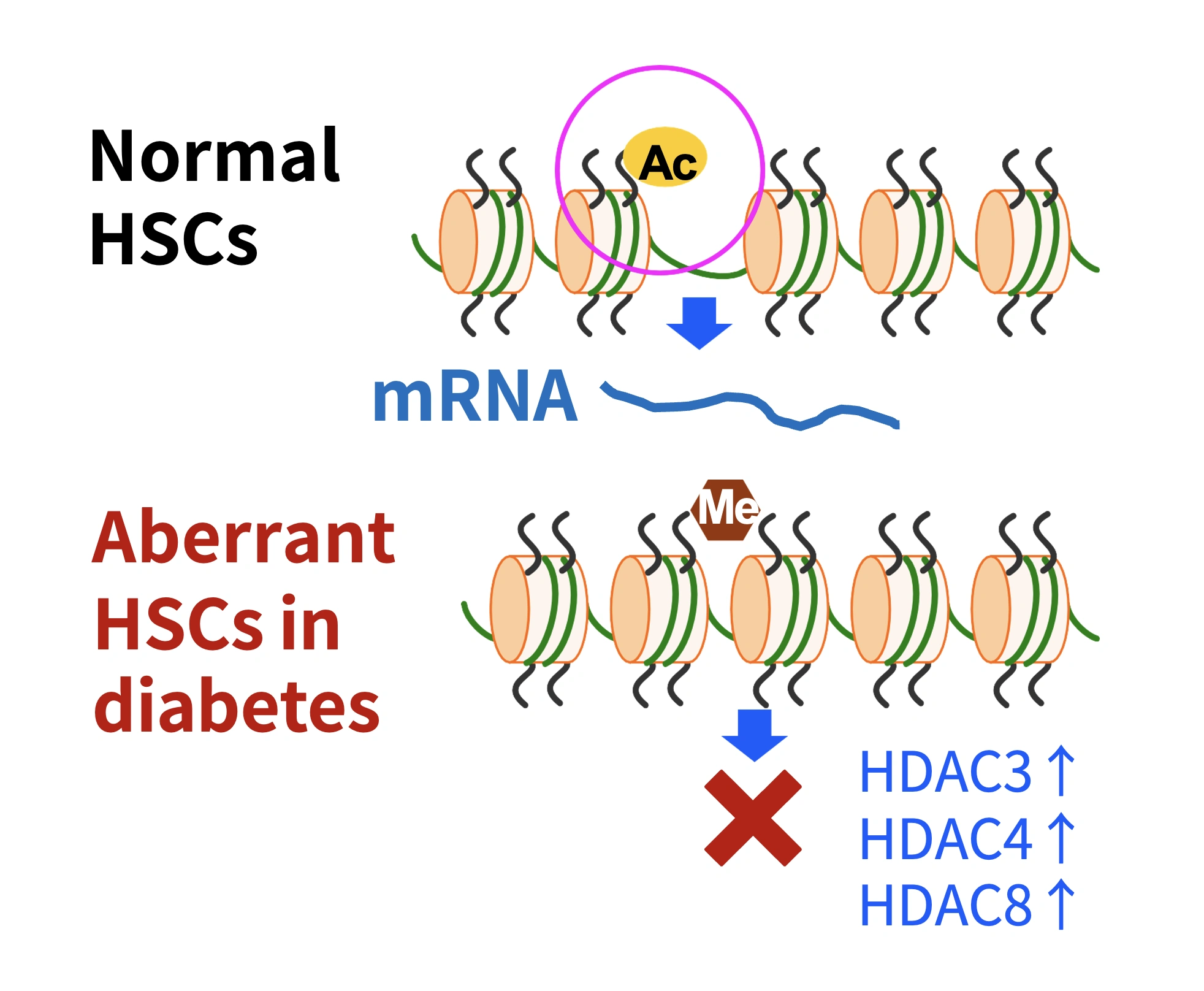
We view diabetes as more than elevated blood glucose: as a persistent cellular disease process involving abnormal hematopoietic stem cells and bone marrow-derived cells. Our investigational strategy combines blood glucose stabilization with intervention in abnormal cell states.
A 2023 peer-reviewed paper reported sustained normoglycemia in STZ-induced diabetic mice after a temporary course of insulin and givinostat. This does not demonstrate efficacy in humans, but it is an important preclinical signal supporting the disease-modifying hypothesis.
COMPANION DIAGNOSTICS
Diabetes Stem Cell Biomarkers
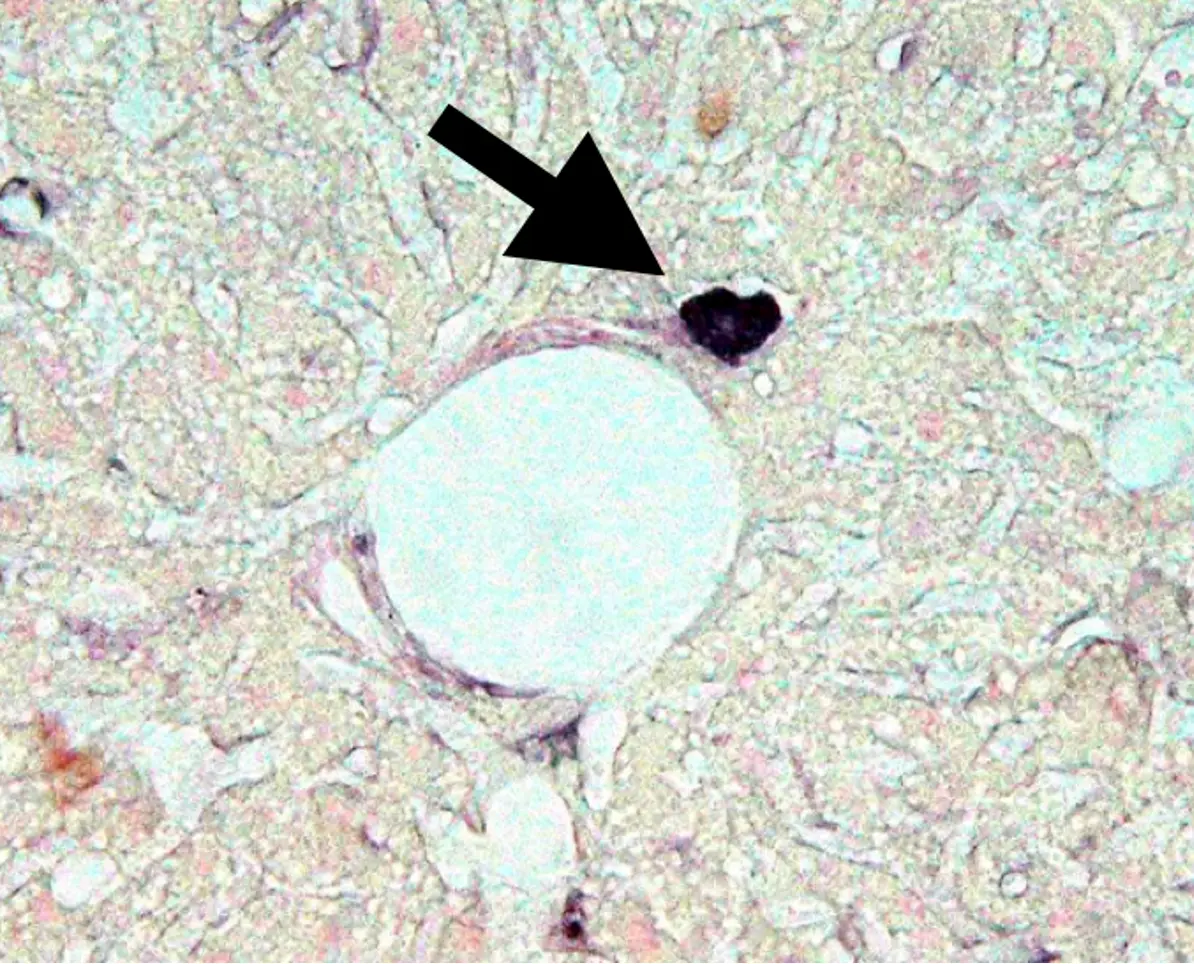
Precise therapeutic development is difficult without a way to measure the target cells.
We are therefore developing biomarkers to detect and quantify candidate diabetes stem cells in peripheral blood, with potential applications in
- patient stratification
- treatment eligibility
- treatment response
- durability of response
- future companion diagnostics
These applications guide our parallel biomarker program.
In 2026, a peer-reviewed study also examined peripheral blood CD34-positive cell subsets in people with type 2 diabetes as a candidate cellular biomarker, marking an early step from animal research toward human validation.
CELL-TARGETING PLATFORM
Biozipcode™ Cell Targeting
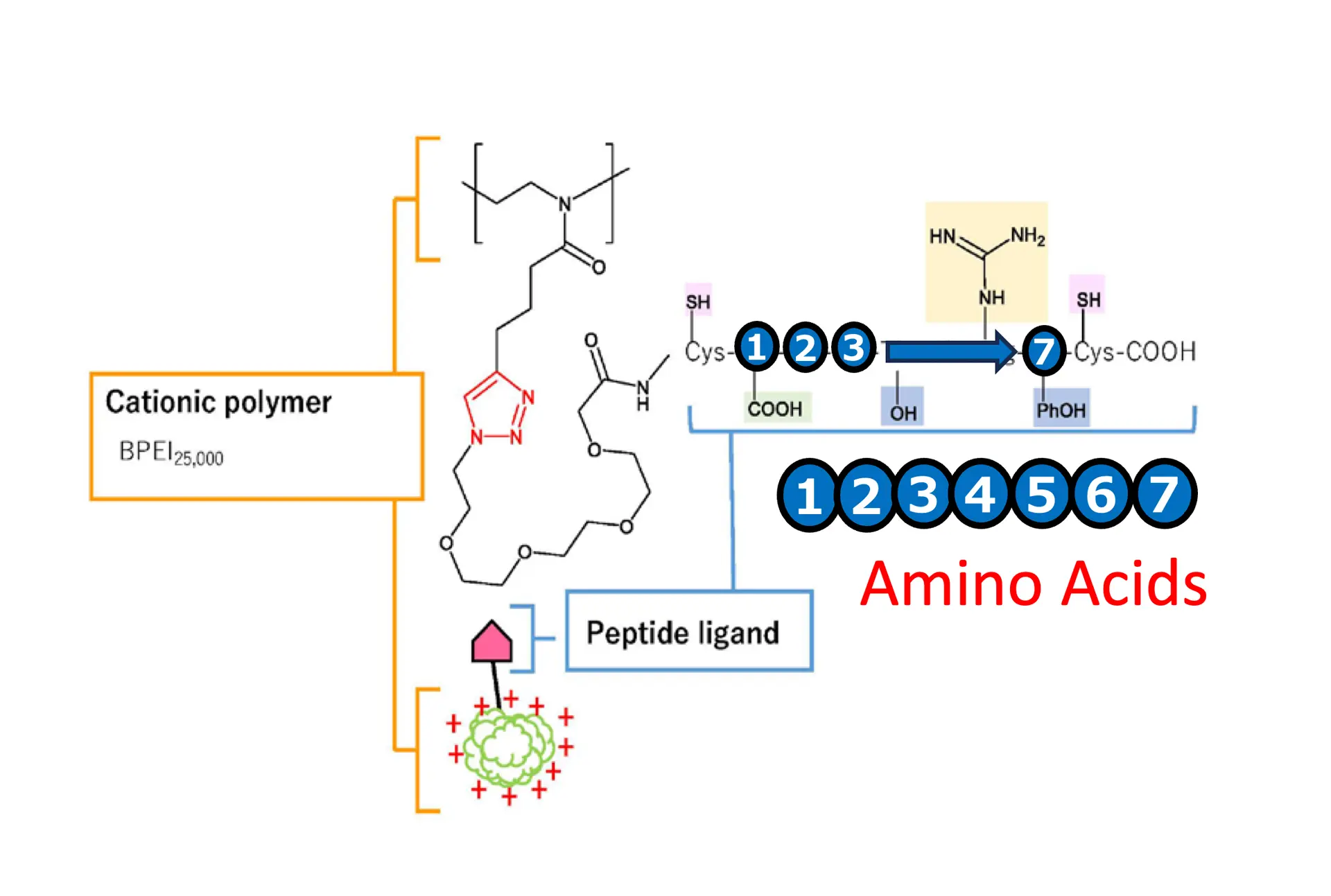
Biozipcode™ is a platform for discovering short peptides that recognize specific cells or tissues and exploring their use in diagnostics and drug delivery systems (DDS).
It combines phage display, in vivo biopanning, NGS, and bioinformatics to
find targets
→ validate selectivity
→ deliver therapeutic molecules
This sequence guides our development work.
We have developed a body of research on targeted peptide, gene, and siRNA delivery to the nervous system, spinal cord, microglia, and cancer cells. We are now exploring applications in diabetes stem cells, cancer, and tissue regeneration.
SCIENTIFIC FOUNDATION
A hypothesis built on more than 20 years of research.
Our current R&D program did not arise from a single mouse experiment.
Beginning with research into pancreatic islet regeneration in 2003, studies have examined bone marrow-derived cells and diabetic complications, abnormal short-term hematopoietic stem cells, CD106, TNF-α, proinsulin, epigenetic abnormalities, and thymic function.
Key milestones include:
2003|Nature Medicine
Pancreatic islet neogenesis and diabetes remission research
↓
2021|Communications Biology
CD106-positive ST-HSCs and diabetic neuropathy
↓
2023|Communications Biology
Complete remission in STZ-induced diabetic mice treated with insulin and an HDAC inhibitor
↓
2026|Practical Laboratory Medicine
A report on aberrant CD34+ subsets in human peripheral blood as a candidate cellular biomarker
Together, these studies have advanced the research program.
WHAT IS PROVEN — AND WHAT IS NOT
A clear view of the current evidence.
In pharmaceutical development, it is as important to identify what remains unknown as what is already known.
| Area | Current Evidence | Validation Needed Next |
|---|---|---|
| Disease modification in diabetic mice | Peer-reviewed preclinical data | Multiple models, dose, safety, durability |
| Diabetes stem cells | Multiple lines of mouse research | Definition and causality in humans |
| Human cellular biomarker | Early peer-reviewed data | Larger prospective validation |
| Biozipcode™ | Discovery / preclinical platform | Human targeting, biodistribution, manufacturing |
| Investigational diabetes cell-targeted therapy | Research concept | Establish ligand / payload / DDS |
| Clinical efficacy | Not established | Regulated clinical trials |
“Diabetes stem cells” are not currently an established clinical diagnostic category. The Biozipcode™ investigational diabetes cell-targeted therapy is not an approved treatment.
That is why we define what the next experiments and clinical studies must demonstrate to increase the program’s value and develop accordingly.
VALUE-CREATING MILESTONES
Define the next value inflection points first.
We assess research progress by whether the data enable the next Go / No-Go decision, rather than by the number of papers published.
MILESTONE 01
HUMAN TARGET VALIDATION
Reproducibly define candidate diabetes stem cell populations in people with diabetes.
Examples of Go criteria
- Reproducible differences between patients and controls
- Replication in an independent cohort
- Association with disease and treatment response
- A robust measurement assay
MILESTONE 02
ANALYTICAL ASSAY LOCK
Lock the research-use biomarker assay.
- multicolor flow cytometry
- FACS
- Biozipcode™ cell capture
- assay reproducibility
- sensitivity / specificity
- sample stability
These measures will be quantified.
MILESTONE 03
THERAPEUTIC PRODUCT DEFINITION
Define exactly what will be administered.
- active agent
- formulation
- dose
- treatment duration
- patient population
- companion biomarker
These elements will be specified in a Target Product Profile.
MILESTONE 04
TARGETED DELIVERY VALIDATION
For Biozipcode™ candidates, validate
- affinity
- specificity
- biodistribution
- payload compatibility
- manufacturability
for each candidate.
Only candidates that meet these criteria will proceed to the next stage of development as investigational cell-targeted therapies.
MILESTONE 05
CLINICAL PROOF OF CONCEPT
Early clinical studies will assess more than safety by combining
- HbA1c
- C-peptide
- insulin requirement
- biomarker change
- post-treatment durability
with other measures to evaluate whether disease modification has occurred.
STAGE-GATED DEVELOPMENT
A plan built around development decisions.
STAGE 1
TRANSLATION READINESS
Define the Target Product Profile, human biomarkers, nonclinical program, CMC, and regulatory classification.
Decision Point:
Can we establish reproducible human disease signals and a developable product definition?
STAGE 2
EARLY CLINICAL PoC
Early clinical research following ethics and regulatory approvals.
Decision Point:
Do safety, exposure, C-peptide, HbA1c, biomarker, and durability data support continued development?
STAGE 3
MULTICENTRE DEVELOPMENT
Define the target population, comparator, statistical plan, and companion diagnostic (CDx) strategy; test reproducibility across sites.
Decision Point:
Can we show a clinically meaningful effect, reproducibility, a responder definition, and a favorable benefit-risk profile?
STAGE 4
PIVOTAL & COMMERCIAL READINESS
Prepare for approval and launch, including GMP, diagnostics, quality systems, and market access.
INTELLECTUAL PROPERTY & DEVELOPMENT READINESS
What can be protected, and which data justify the next development stage?
In drug development, the research hypothesis alone does not determine success. The question is how to protect the eventual product’s competitive position and how far its development risks have been reduced.
Starting with the disease hypothesis of diabetes stem cells, Biozipcode, Inc. is developing an approach that combines
methods of treatment
patient selection and diagnosis
cell targeting
formulation and delivery technologies
novel Biozipcode™ peptides
to protect each eventual product through several layers of intellectual property.
We also distinguish clearly between current preclinical evidence and the additional nonclinical studies required for pharmaceutical development.
CURRENT IP POSITION
What does our current intellectual property cover?
Our main published international patent families include the following.
PCT/JP2020/039044
Diabetes therapy targeting abnormal stem cells
Technology targeting abnormal hematopoietic stem cells as a treatment target in diabetes and related diseases.
PCT/JP2020/039045
Diabetes therapy using stem cell migration
Technology that uses movement and migration of disease-associated stem cells to intervene in diabetes.
PCT/JP2022/008036
Treatment, diagnosis, and detection of diabetes and complications
Technology covering not only therapies directed at abnormal cells but also diagnosis, detection, and patient assessment.
PCT/JP2022/040140
Treatment of diabetes and complications through HDAC modulation
Therapeutic technology combining blood glucose management with interventions involving HDAC-related mechanisms.
These families underpin our current
investigational diabetes remission therapy
diabetes stem cell biomarker
potential future companion diagnostics
programs.
COMPOSITION-OF-MATTER STRATEGY
Beyond patents on existing drug compounds.
Some therapeutic approaches under consideration involve previously known substances, including givinostat and 5-ALA.
Accordingly, Biozipcode, Inc. does not claim to hold new composition-of-matter patents on those known substances themselves.
Instead of relying only on compound patents covering existing agents, we are pursuing protection around
- a proposed new therapeutic target: diabetes stem cells
- patient selection and biomarkers
- methods and regimens of treatment
- novel compositions and formulations
- combinations with Biozipcode™
- novel cell-targeting peptides
- payload–targeting peptide conjugates
- DDS and formulation configurations
- combinations with companion diagnostics
to build a multilayer intellectual property portfolio around each product.
PRODUCT-SPECIFIC IP
Ultimately, protect a defined product candidate.
For an investigational Biozipcode™ diabetes cell-targeted therapy in particular, once we identify a novel peptide that selectively binds its target cells, the priority is to move beyond broad platform patents toward intellectual property protecting the product candidate itself.
This includes:
PEPTIDE SEQUENCE
Novel Biozipcode™ Sequences
New peptide sequences that recognize target cells and related sequences.
CONJUGATE
Biozipcode™ × Payload
Conjugates combining targeting peptides with therapeutic molecules.
FORMULATION
Formulation & DDS
Administrable formulations, carriers, and routes of administration.
METHOD OF USE
Methods of Treatment
Target patients, administration methods, combination therapies, doses, and treatment durations.
COMPANION DIAGNOSTIC
Patient Selection
Selection of eligible patients using diabetes stem cell biomarkers.
Our aim is to protect both the product and the clinical process for using it.
WHAT HAS BEEN DEMONSTRATED PRECLINICALLY?
What has already been shown in preclinical studies?
This program has preclinical proof of concept published in a peer-reviewed paper.
A 2023 study in Communications Biology reported the following outcomes in mice with STZ-induced diabetes following a temporary course of insulin and the HDAC inhibitor givinostat:
- maintenance of normoglycemia after treatment ended
- restoration of endogenous insulin secretion
- reduction of pathological changes associated with bone marrow-derived cells
- reduction of abnormal cell fusion
- associations with thymic function
The paper reports these outcomes.
Together, they provide a preclinical proof of concept in mice that intervening in disease-associated cells may change metabolic status beyond the treatment period.
A peer-reviewed 2026 study also investigated subsets of CD34-positive cells in human peripheral blood as a candidate cellular biomarker, beginning the work of testing hypotheses from animal models in humans.
THE NEXT DE-RISKING MILESTONE
What evidence would advance pharmaceutical development?
Our next priority is to establish the development potential of one defined product candidate.
This requires answers to five questions.
01|WHO
Who will receive it?
Define the target patient population using diabetes stem cell biomarkers.
02|WHAT
What will be administered?
Fix the therapeutic agent, formulation, dose, and treatment duration.
03|TARGET
What is the therapeutic target?
Reproducibly define candidate diabetes stem cells in humans.
04|IP
What can be protected exclusively?
Protect product-specific peptides, compositions, formulations, uses, and patient selection through intellectual property.
05|EVIDENCE
Which data justify moving forward?
Set Go / No-Go criteria for safety, C-peptide, HbA1c, insulin requirements, DSC biomarkers, and durability after treatment ends.
Together, these five elements could help turn academic research into a development asset that pharmaceutical companies and regulators can evaluate.
IP × BIOMARKER × THERAPEUTIC
Protect the treatment and patient selection together.
The program’s potential advantage lies in combining a therapeutic candidate with
DISEASE TARGET
diabetes stem cells
+
BIOMARKER
patient selection and treatment monitoring
+
THERAPEUTIC
intervention in disease-associated cells
+
BIOZIPCODE™
selective delivery to target cells
We aim to develop these elements together.
Ultimately, we seek to
measure which patients may benefit,
treat those patients, and
assess how target cells change after treatment.
Together, these steps form an integrated therapeutic and diagnostic product strategy.
WHAT WE BRING
What Biozipcode Brings
In a partnership, Biozipcode, Inc. primarily contributes:
SCIENTIFIC CONCEPT
Research hypotheses and long-standing expertise in diabetes stem cells, abnormal bone marrow-derived cells (BMDCs), and cell targeting.
INTELLECTUAL PROPERTY
Published patent families and related know-how concerning diabetes therapies and diagnostics.
BIOZIPCODE™ PLATFORM
A technology base for peptide discovery, in vivo biopanning, NGS, and digital subtraction.
BIOMARKER STRATEGY
Strategies for detecting diabetes stem cells, stratifying patients, and monitoring treatment.
ACADEMIC NETWORK
Research collaborations with Kyoto University and other academic institutions.
DISEASE & TRANSLATIONAL KNOW-HOW
Insights into disease mechanisms and translational research from studies of diabetes, hematopoietic stem cells, and complications.
WHAT WE SEEK
The expertise we seek in partners.
We do not aim to keep every capability in-house.
We seek partners with the expertise needed to reach the next value inflection point.
PHARMA / BIOTECH
- therapeutic assets
- toxicology
- CMC
- clinical development
- regulatory sponsorship
- commercialization
UNIVERSITIES / HOSPITALS
- patient cohorts
- human samples
- independent validation
- mechanistic research
- investigators
- prospective clinical annotation
DIAGNOSTICS / MEDTECH
- assay engineering
- flow cytometry
- capture technology
- IVD
- companion diagnostics
CRO / CENTRAL LAB
- protocol execution
- site network
- central testing
- statistics
- quality
- pharmacovigilance
DATA / AI
- sequence analysis
- biomarker modeling
- clinical data integration
- reproducible pipelines
FOR PHARMA
For Pharmaceutical Companies
Our aim is to move research findings toward product development.
Potential pharmaceutical collaborations include:
- combination with novel therapeutic candidates
- repurposing existing medicines
- targeted DDS using Biozipcode™
- human biomarker validation
- companion diagnostic
- nonclinical development
- clinical proof of concept
- territory / field license
These are among the options we are considering.
We can structure collaborations in stages, from early research to a possible licensing option once defined data are obtained. We aim to tie capital commitments to the specific decisions that each new set of data can support through milestone-based R&D.
FOR RESEARCH INSTITUTIONS
For Universities & Research Institutions
In collaborative research, we prioritize a shared research question to test, rather than a predetermined result.
We welcome teams with expertise in areas including
- human validation of diabetes stem cells
- epigenomics
- single-cell multi-omics
- clonal tracing
- β-cell regeneration
- immune / thymic biology
- organoid
- humanized model
- Biozipcode™ target validation
We welcome research teams with expertise in these areas.
We respect both publication and intellectual property and aim to establish publication and IP governance when the collaboration begins.
DUE DILIGENCE
A staged approach to due diligence.
To support evaluation by pharmaceutical companies, VCs, and research institutions, we may share the following under an NDA, as appropriate, in addition to public information:
- scientific package
- detailed preclinical data
- assay development status
- patent portfolio
- development roadmap
- Target Product Profile
- regulatory considerations
- collaboration plan
These materials can support due diligence.
We will also review prospective partners’ technologies, development capabilities, and research base to develop a joint plan that works for both sides.
PARTNERSHIP PROCESS
How We Start a Partnership
01|CONFIDENTIAL BRIEFING
Share research, technology, intellectual property, and development status.
02|WORKSTREAM SELECTION
Select a focus such as therapeutics, diagnostics, Biozipcode™, or clinical development.
03|JOINT PLAN
Define the Target Product Profile, research plan, budget, Go / No-Go criteria, IP, and governance.
04|AGREEMENT
Move to an agreement covering collaborative research, an option, co-development, licensing, or another arrangement.

BUILD THE NEXT EVIDENCE WITH US
Build the Next Evidence Together
We are seeking partners to test a hypothesis, not claiming that diabetes can already be cured.
We have disease-modifying signals in mice, emerging cellular biomarkers in human peripheral blood, and years of cell-targeting research.
The next questions are:
Can we reproduce these findings in humans?
Will the cells prove to be viable therapeutic targets?
Can we manufacture a defined product?
Will it deliver a clinically meaningful benefit?
We are ready to investigate these questions.
From scientific hypothesis
to reproducible evidence.
From evidence to a regulated product.
Biozipcode, Inc. welcomes partnerships with pharmaceutical companies, universities, research and medical institutions, VCs, and technology companies to advance this work together.

For Partners

Building on diabetes stem cell research and Biozipcode™ cell-targeting technology, we are advancing new diagnostic and therapeutic technologies for difficult-to-treat diseases.
We work with pharmaceutical companies and research institutions to advance research, development, and practical applications based on diabetes stem cell research, Biozipcode™, and related research platforms.

We conduct collaborative research with universities, research institutions, medical institutions, and companies in fields including diabetes, cancer, regenerative medicine, biomarkers, and drug delivery systems (DDS).

We are exploring technology licensing for research findings involving diabetes treatment and diagnosis, abnormal stem cells, HDAC-related technologies, and Biozipcode™.

A cell-targeting platform that identifies short peptide sequences recognizing specific cells and tissues for potential diagnostic and drug delivery applications.

We are considering strategic investment and equity partnerships that offer business synergies and support research, development, and practical applications over the medium to long term.

Access materials on Biozipcode, Inc., its research and technologies, pipeline, research collaborations, licensing, and related topics.