
COLLABORATION NETWORK
Across disciplines,
working on a shared research challenge.
Understanding difficult-to-treat diseases such as diabetes and cancer and turning that knowledge into new diagnostics and treatments takes more than one laboratory, company, or field of expertise.
Basic medicine, life sciences, hematopoietic stem cells, cell targeting, informatics, AI, robotics, public health, clinical development, and international business development: connecting these fields can turn research findings into greater value for society.
Through collaborations with universities, research institutions, companies, and technology organizations in Japan and abroad, Biozipcode, Inc. is building a research and development network that connects basic research with human validation, technology development, local implementation, and international expansion.
The research network described on this page includes ongoing and past collaborations, as well as research areas where future collaborations are envisioned.
A research collaboration does not establish the efficacy or safety of a treatment or diagnostic, commercialization, or regulatory approval. The affiliations and positions of collaborators at universities and medical institutions are listed according to the latest information available at the time of publication.
RESEARCH NETWORK
Five areas of collaboration, from research to practical application.
Our research network is about more than expanding the number of partner institutions.
By bringing together the distinct expertise of each organization, we aim to connect
SCIENCE
× COMPUTATION
× ADVANCED TECHNOLOGY
× PUBLIC HEALTH
× GLOBAL NETWORK
within a single research and development platform.
| Collaborating Organizations | POSITION | Main Areas of Collaboration |
|---|---|---|
| Kyoto University Department of Biocommunication Development | ACADEMIC RESEARCH | Diabetes stem cells (DSCs), Biozipcode™, cell targeting, cancer, regenerative medicine |
| Studio Makyu Co., Ltd. | BIOINFORMATICS & R&D ENGINEERING | Bioinformatics, software, computational science, research infrastructure |
| Cranfield Japan Centre | ADVANCED TECHNOLOGY | AI, physical AI, robotics, research automation, advanced industry partnerships |
| Palau Community College | PUBLIC HEALTH & TRANSLATION | Public health, diabetes and metabolic diseases, community-based research, training, practical application |
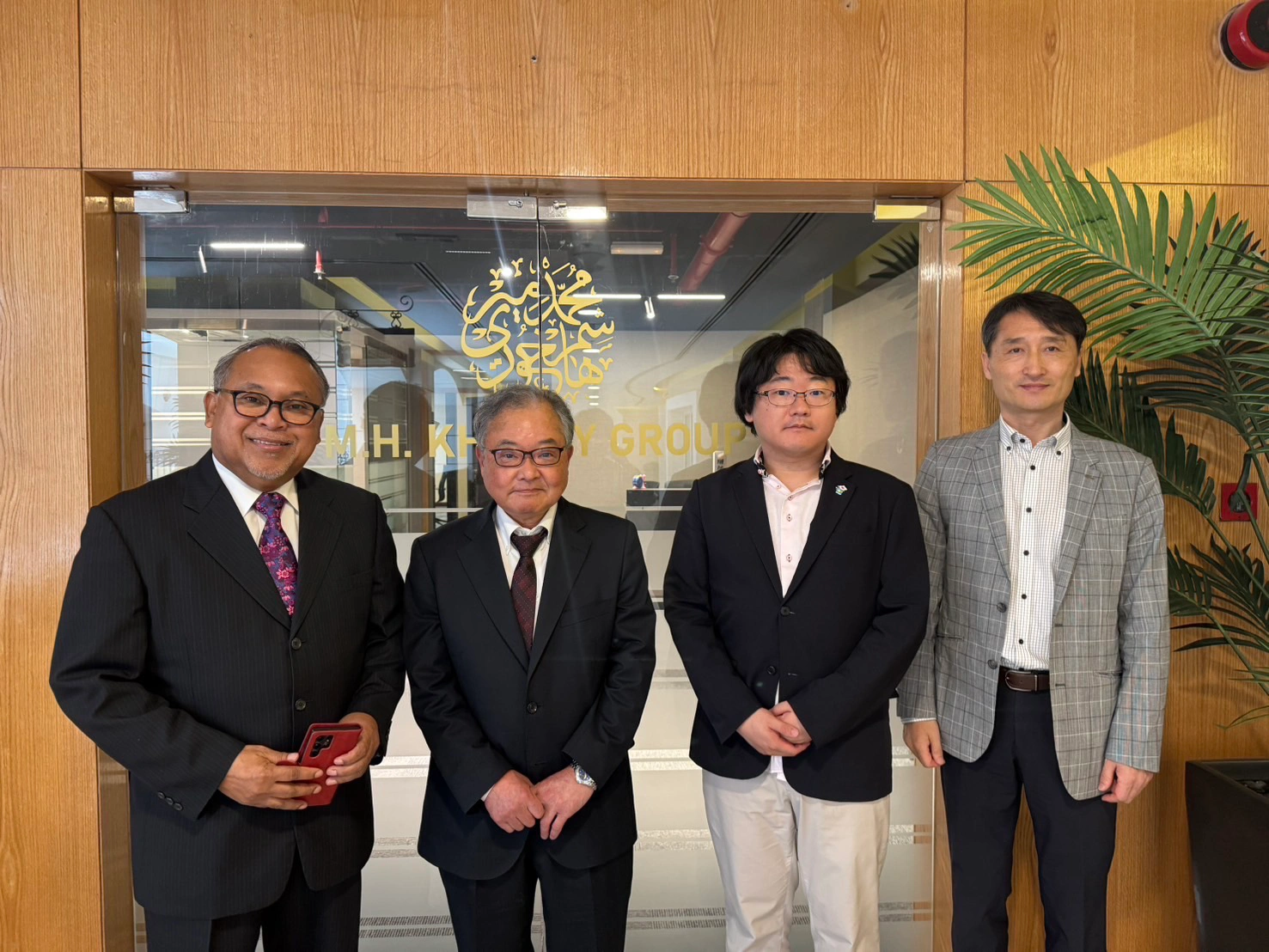
| KHOORY & PARK L.L.C | MIDDLE EAST COLLABORATION | UAE and Middle East networks, international business development, local partnerships |
ACADEMIC RESEARCH
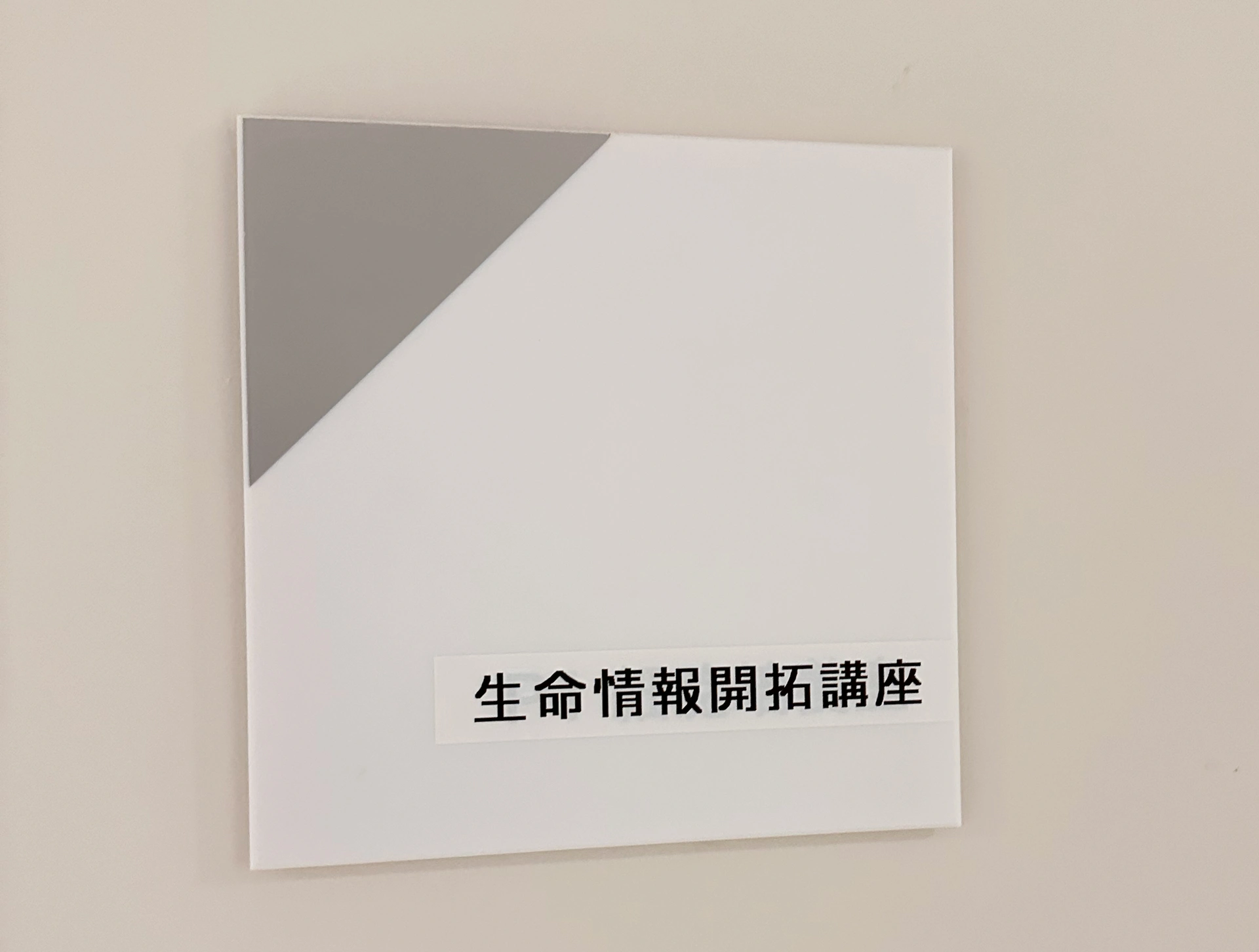
Kyoto University Department of Biocommunication Development
At the academic core of Biozipcode, Inc.’s research and development is its collaboration with the joint industry–academia department at Kyoto University’s Graduate School of Medicine and Faculty of Medicine, the “Department of Biocommunication Development”.
Since April 2026, the partners have pursued the research theme “Development of Cell-Targeted Therapy”, studying diabetes stem cells (DSCs, a research term), Biozipcode™, cancer, tissue regeneration, and difficult-to-treat diseases. Biozipcode, Inc. participates as a corporate research collaborator, helping turn university findings into intellectual property, diagnostic and therapeutic technologies, and joint development projects.
Main Areas of Collaboration
Diabetes stem cells / Biozipcode™ / cell targeting / research into complete diabetes remission / cancer / tissue regeneration / human disease research / bioinformatics
By combining scientific discovery and validation at the university with industry development, we aim to bring basic research closer to care that reaches patients.
BIOINFORMATICS & R&D ENGINEERING
Studio Makyu Co., Ltd.
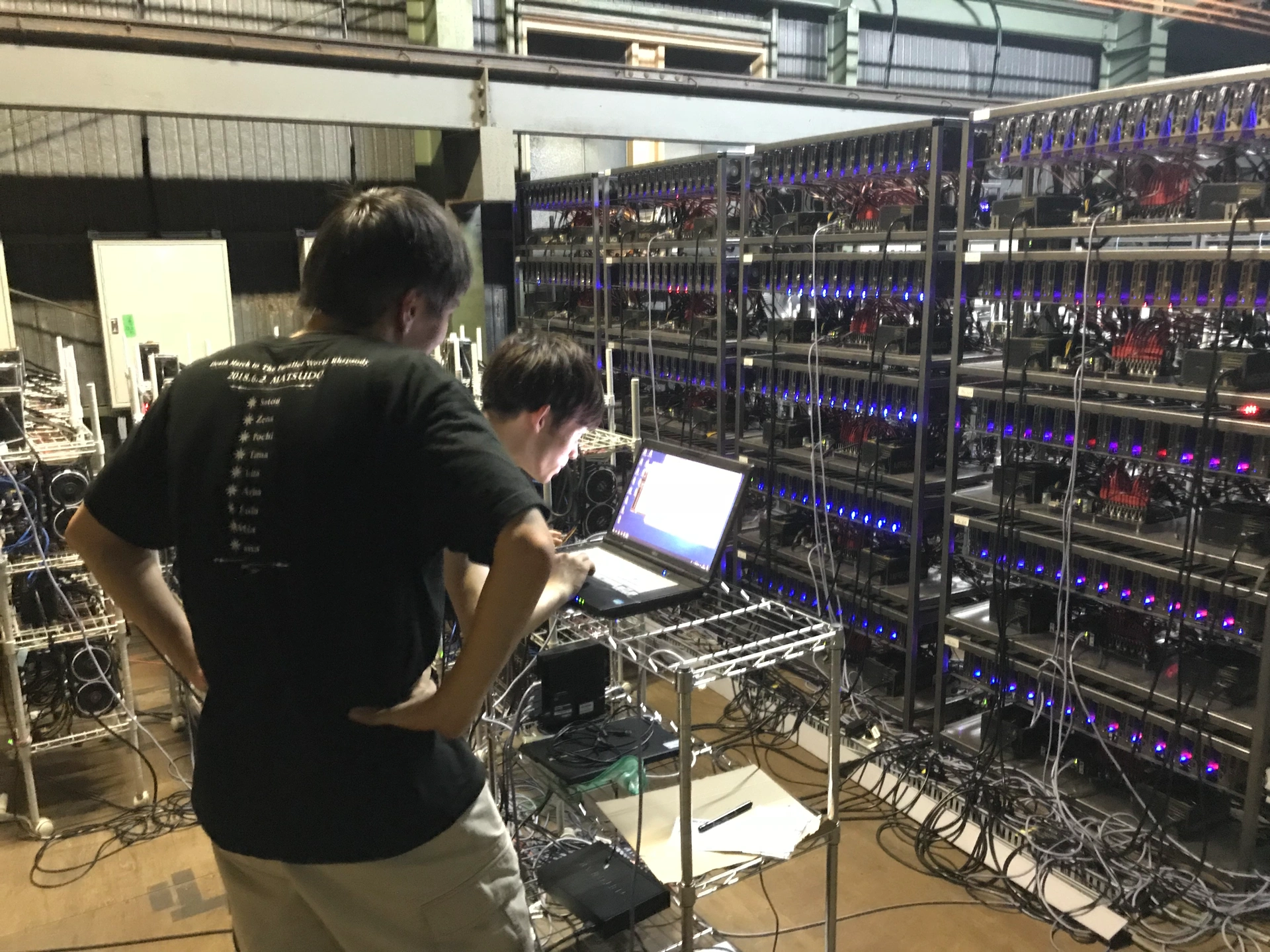
Studio Makyu Co., Ltd. has long helped build the research infrastructure of Biozipcode, Inc., supporting technology development that connects life sciences and informatics.
Life science research needs a computational foundation to analyze the vast amounts of sequence and biological data generated by experiments and turn them into reproducible findings.
Alongside software and hardware development, Studio Makyu lists drug design and bioinformatics among its business areas.
In its collaboration with Biozipcode, Inc., the company combines experiments, sequence analysis, software, and high-performance computing to build an informatics platform supporting research into Biozipcode™ and other areas.
Main Areas of Collaboration
Bioinformatics / NGS and sequence analysis / research software / high-performance computing / GPGPU / AI and data analysis / Biozipcode™ analysis platform
Connecting wet biology and computational science to uncover new biological insights from experimental data.

ADVANCED TECHNOLOGY
Cranfield Japan Centre
Life science research is moving toward physical AI, which connects information analysis with the physical world of laboratory instruments, robots, and sensors.
Through its collaboration with Cranfield Japan Centre, Biozipcode, Inc. is exploring a next-generation research platform that brings together life sciences and advanced technologies such as AI, robotics, and research automation.
Cranfield Japan Centre has a history in robotics and AI and now aims to establish an advanced technology research institution and industry cluster encompassing aerospace.
Looking ahead, we aim to combine biological information obtained through Biozipcode™ and related research with AI and robotics to build a research environment that cycles through analysis → decision-making → experimentation → evaluation.
Main Areas of Collaboration
Physical AI / AI / robotics / research automation / sensors / laboratory equipment integration / advanced technology / industry–academia collaboration
Moving from AI that analyzes biological information to AI that acts in the research environment.

PUBLIC HEALTH & TRANSLATION
Palau Community College
Biozipcode, Inc. is also building a research and public health network in the Republic of Palau to connect research findings with local communities.
Palau Community College (PCC) is one of its key partners.
PCC offers a Community & Public Health program that covers epidemiology, health promotion, noncommunicable diseases, and public health information. Its Cooperative Research & Extension program works with community partners to conduct research and share knowledge on food and nutrition, human sciences, and the environment.
Through its collaboration with PCC, Biozipcode, Inc. aims to build a network for research into diabetes and other metabolic diseases, public health, training, health data, and the local application of research findings.
Main Areas of Collaboration
Diabetes and metabolic diseases / public health / noncommunicable diseases / community health research / health data / research support / training / practical application
Connecting research findings with communities and people beyond the laboratory.

MIDDLE EAST COLLABORATION
KHOORY & PARK L.L.C
Bringing research findings to healthcare around the world requires collaboration not only in research and development but also with businesses, healthcare providers, public agencies, and industry networks rooted in each region.
Biozipcode, Inc. is working with Dubai-based KHOORY & PARK L.L.C to develop a partner network and international business opportunities in the Middle East.
KHOORY & PARK L.L.C works in international sales and business development, consulting, and general trading, and has built networks connecting Japanese and Korean companies with the Middle East. Its public materials also describe a partnership with the Korean biotechnology company Macrogen related to the UAE Genome Project.
Through this network, Biozipcode, Inc. aims to expand ties with local companies, research institutions, and healthcare organizations in life sciences and medicine, with a view to future joint development and the introduction of research findings in the Middle East.
Main Areas of Collaboration
UAE and Middle East networks / international business development / healthcare and biotech partnerships / local collaboration / international application of research findings
Connecting scientific findings with regional networks to bring research beyond borders and into society.
COLLABORATION AREAS
Main Areas of Collaborative Research
Let’s explore new research together.
Biozipcode, Inc. welcomes new collaborations with universities, research institutions, medical institutions, and companies in Japan and abroad.
We are exploring opportunities across a wide range of fields, including diabetes stem cells, Biozipcode™, cell targeting, cancer, regenerative medicine, drug delivery systems (DDS), biomarkers, gene and nucleic acid medicines, bioinformatics, AI and physical AI, and public health.
We value collaborative research in which partners with different expertise develop new hypotheses, test them, and create new technologies together.
DIABETES & METABOLISM
Diabetes & Metabolic Diseases
We study diabetes stem cells, beta cells, metabolic function, and diabetic complications.
CELL TARGETING
Biozipcode™ & Cell Targeting
We identify peptides that recognize specific cells and tissues and study their diagnostic and therapeutic applications.
ONCOLOGY
Cancer
We study cancer cell-selective Biozipcode™ candidates and investigational cell-targeted therapies.
REGENERATIVE MEDICINE
Regenerative Medicine
We study applications in cell recruitment, biomaterials, wound healing, and tissue regeneration.
BIOINFORMATICS & AI
Bioinformatics & AI
We analyze NGS sequences and biological data at scale to identify new targets and disease patterns.
PHYSICAL AI
Physical AI
We aim to improve and automate research workflows by integrating AI, robotics, sensors, and laboratory instruments.
PUBLIC HEALTH
Public Health
We study noncommunicable diseases such as diabetes through the lens of communities, health data, prevention, and education.
GLOBAL TRANSLATION
International Implementation
We work with regional research, healthcare, regulatory, and industry networks to bring research findings into use internationally.

From Science to Better Care.
To bring research into real-world use, we work with pharmaceutical companies, research institutions, healthcare providers, businesses, investors, and supporters in Japan and abroad.
Academic Collaboration Overview
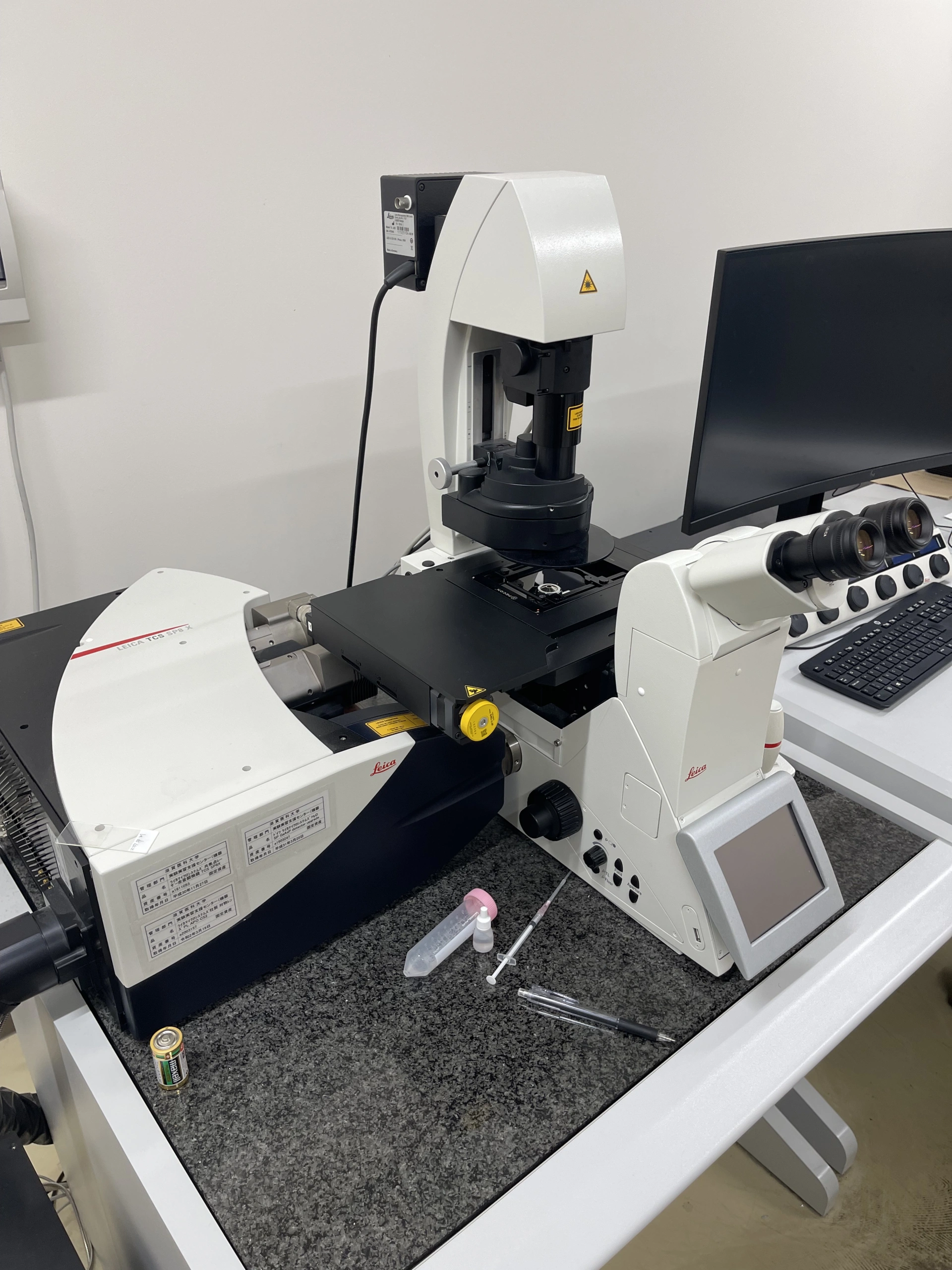
Through joint research with universities and research institutions, we aim to turn basic research findings into diagnostic and therapeutic technologies that can benefit society.
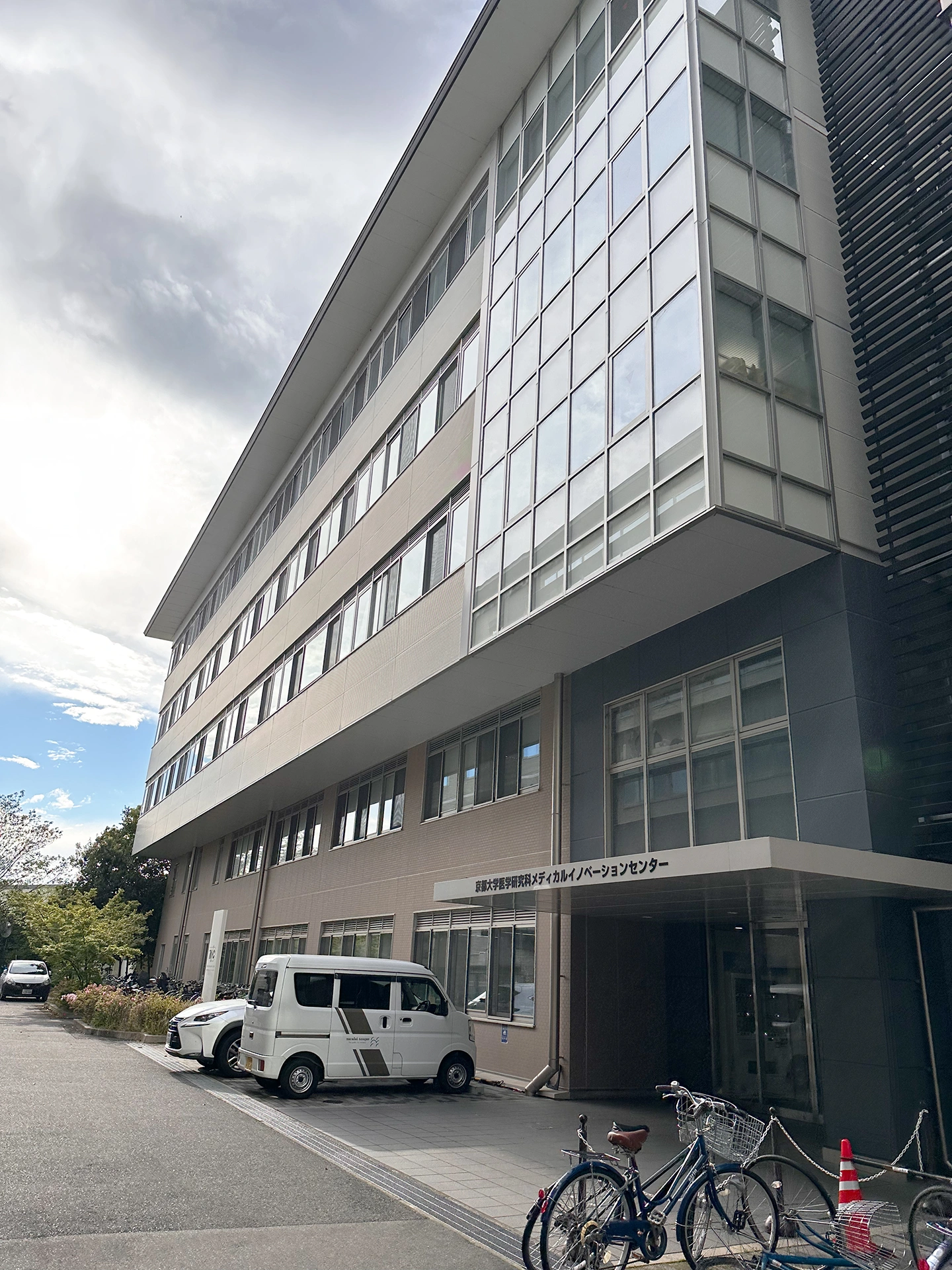
Through joint research with Kyoto University’s Graduate School of Medicine and Faculty of Medicine, we study difficult-to-treat diseases using cell-targeting technology.

We conduct basic and applied research with universities, research institutions, and healthcare organizations in Japan and abroad, drawing on their complementary expertise.