
WHAT IS BIOZIPCODE™?
What Is Biozipcode™?
Delivering the right treatment to the right cells.
Today’s medicines do not always act only on the cells they are meant to treat.
When a drug circulates through the bloodstream, it may also affect other cells and tissues, causing side effects or limiting the dose that can be given.
Biozipcode™, under development by Biozipcode, Inc., is a cell-targeting platform for identifying short peptide sequences that selectively recognize particular cells or tissues and exploring their use in diagnosis, drug delivery, and gene delivery.
We want to design therapies by considering
not only “which molecule to target,” but also
“which cells should receive the treatment.”
Biozipcode™ is a cell-targeting platform in research and development. Binding to target cells, selectivity, distribution in the body, safety, pharmacokinetics, and manufacturing feasibility depend on the candidate sequence, target cells, carrier, and therapeutic payload.
No particular Biozipcode™ candidate has been established to bind only to target cells in humans or to cause no side effects. Clinical use would require adequate preclinical, manufacturing, and quality assessments, ethical review, clinical studies, and regulatory approval for each candidate.

BIOZIPCODE™
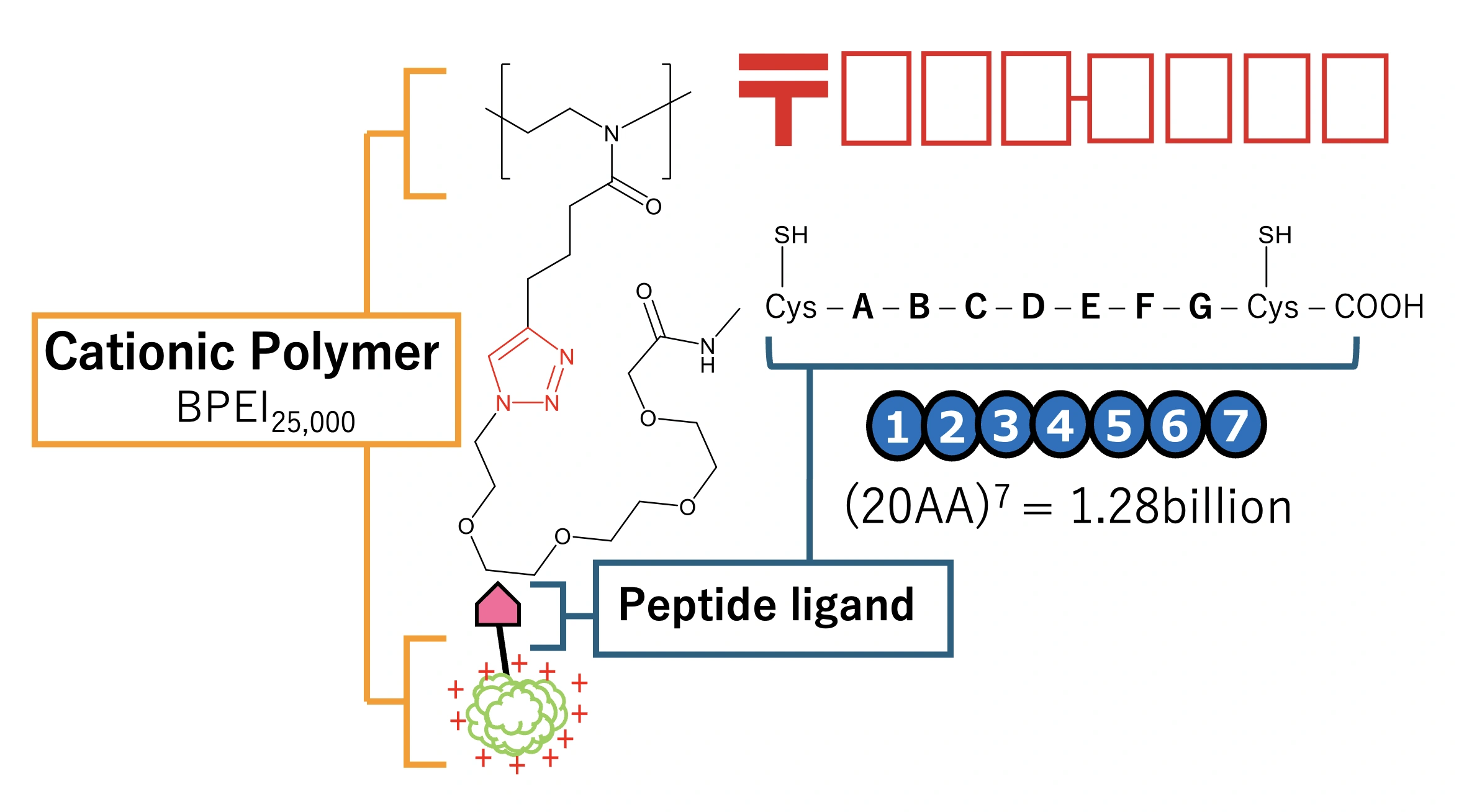
Biozipcode™ and Japanese Postal Codes
In Japan, a seven-digit postal code identifies a particular geographic area.
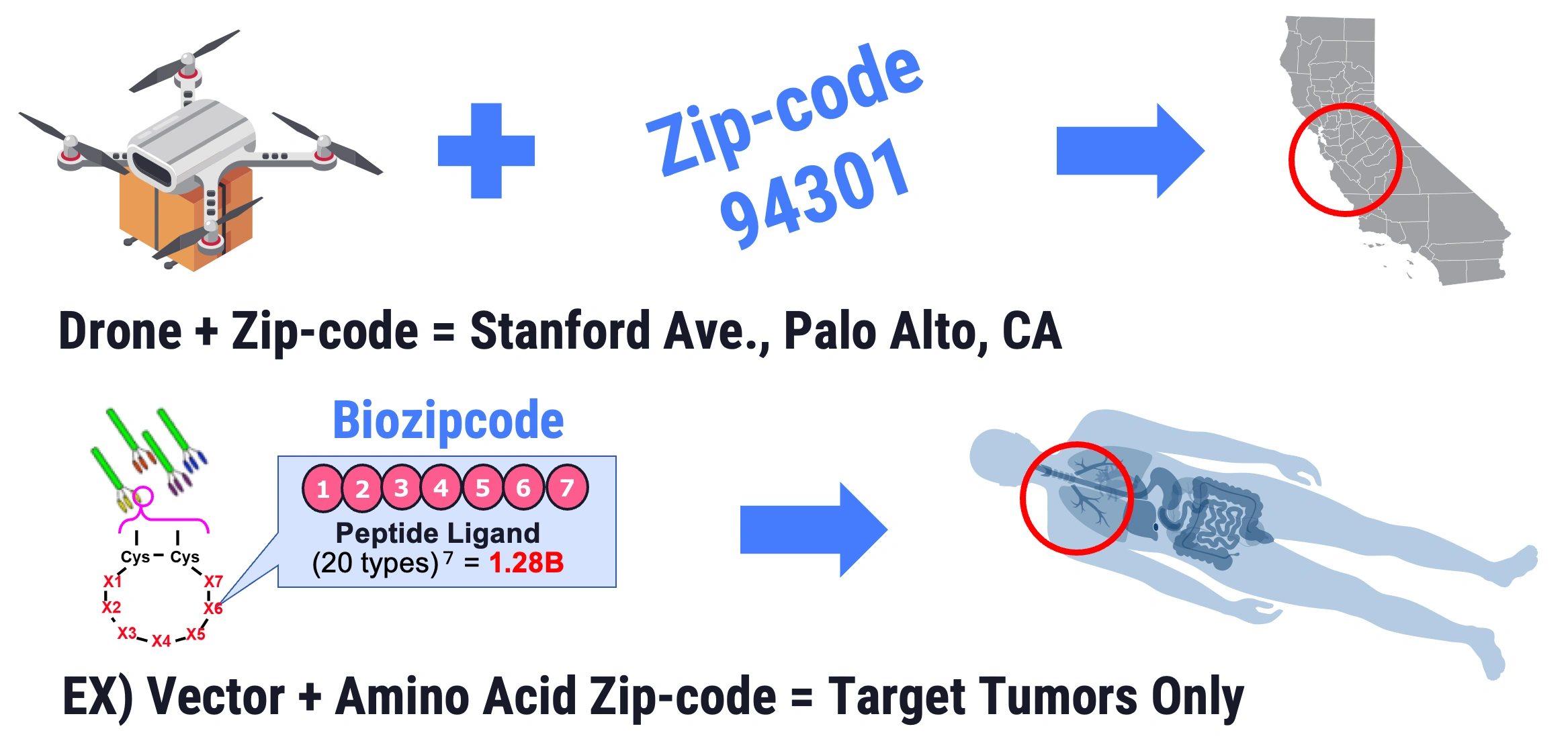
Biozipcode™ applies a similar idea to cells.
The surfaces of cells and tissues have different proteins and molecular environments. We aim to find short peptides that bind selectively to these surfaces and use them as information resembling an “address code” for identifying cells.
Combining seven residues from 20 amino acids yields 20⁷ ≒ 1.28 billion possible sequences.
We explore this vast sequence space to identify, compare, select, and validate candidates that bind to the cells or tissues of interest.
NOT A SINGLE PEPTIDE
Biozipcode™ is more than a single sequence.
Biozipcode™ does not refer to one particular peptide sequence. It is the broader technology platform for finding and selecting different targeting sequences for different organs, cells, and disease states.
Examples include
- neurons
- the spinal cord
- microglia
- specific organs
- cancer cells
- candidate diabetes stem cells
for which different Biozipcode™ candidates may be explored.
The core idea is “building an address book for cells”.
FROM MOLECULE TO CELL
From targeting molecules to targeting cells.
Many targeted therapies today focus on a particular molecule, such as a receptor, enzyme, or protein.
When that same target molecule is also present in healthy cells, those cells may be affected by the drug.
Biozipcode™ aims to identify target cells by their broader characteristics, rather than focusing on a single molecule.
Molecular Targeting:
Targets a particular protein or receptor.
Cell Targeting:
Uses peptides designed to bind selectively to target cells and identify the treatment target at the cellular level.
Biozipcode™ seeks to add a further layer of targetingto existing molecularly targeted approaches.
VISION FOR TARGETING
How could cell targeting help reduce side effects?
Biozipcode™ cell-targeting technology is being studied as a way to deliver therapeutic agents more directly to selected cells, with the aim of reducing effects on other tissues.
MOLECULAR TARGETING
Molecularly Targeted Drugs
CELL TARGETING
Cell-Targeted Drug Candidates
FROM ADDRESS TO DELIVERY
Finding an “address” is only the beginning.
The ultimate goal of Biozipcode™ is not simply to identify targeting sequences. We need to develop those sequences for practical use in treatment and diagnosis.
We see Biozipcode™ as a platform with three main technology layers.
01 ADDRESSING
Find the cell’s address
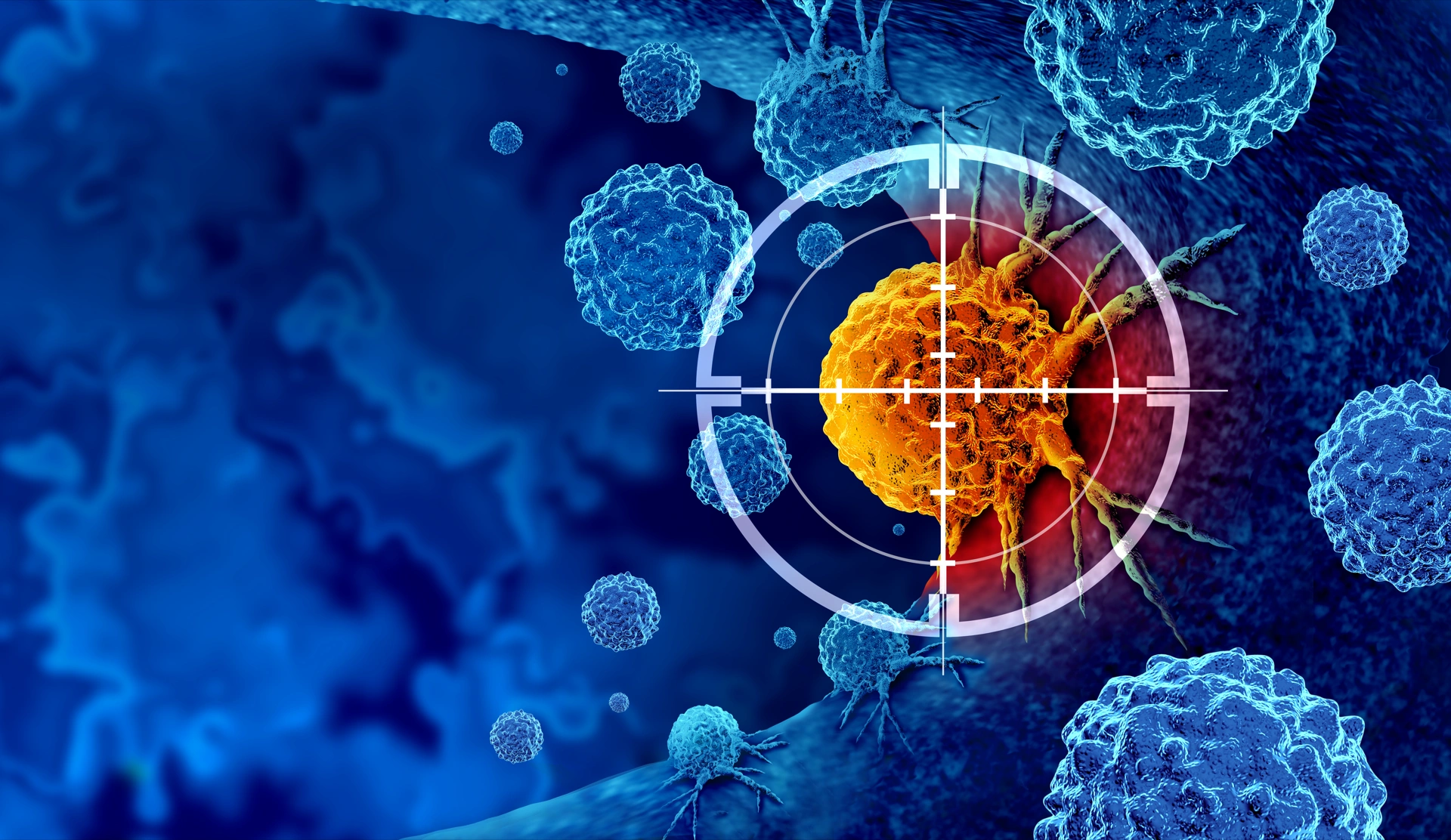
We explore peptides that recognize specific cells and tissues, aiming to build a database of cellular addresses.
02 DELIVERY
Deliver treatment to that address

We combine Biozipcode™ candidates with
- small-molecule drugs
- nucleic acids
- siRNA
- genes
- proteins
- labeling molecules
and other therapeutic or diagnostic molecules.
03 VECTOR
Build a delivery system

Depending on the application, we study combinations with
- viral vectors
- synthetic vectors
- peptide vectors
- polymers
- other drug-delivery carriers
and related delivery technologies.
BIOINFORMATICS
Finding the right sequences
among 1.28 billion possibilities.
Biozipcode™ research depends on data analysis as well as experiments.
Next-generation sequencing (NGS) produces vast numbers of peptide sequences, which we analyze through
- comparisons across organs
- comparisons across individuals
- healthy versus diseased comparisons
- vascular versus parenchymal comparisons
- sequence similarity
- motifs
- protein homology
- networks
- associations with disease
and other computational analyses.
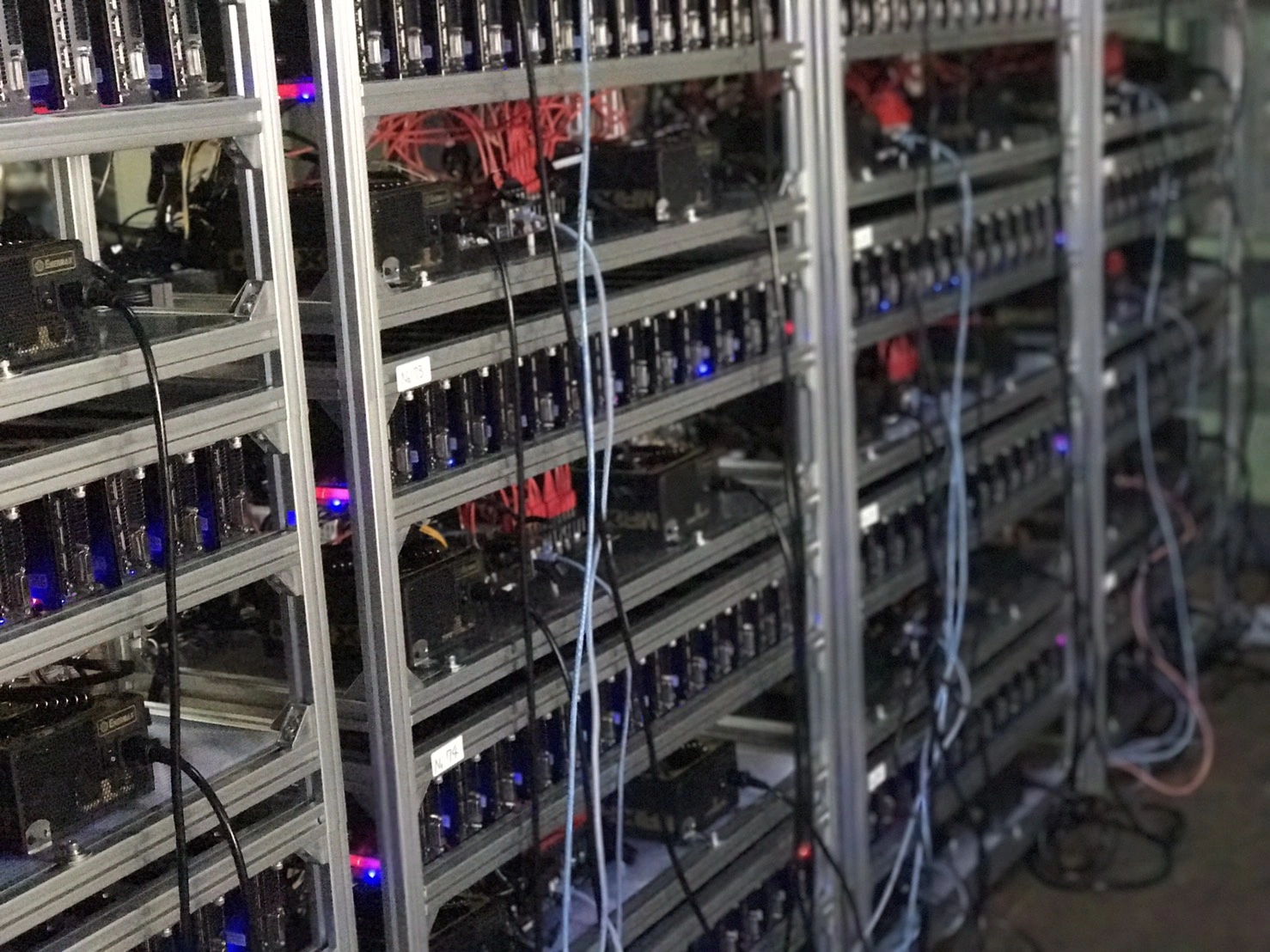
Biozipcode, Inc. has long combined in vivo and in vitro experiments with in silico research, including bioinformatics, proprietary software, and large-scale computing using GPGPUs.
Biozipcode™ is also a research platform combining
Wet Biology × Sequencing × Bioinformatics
in one approach.
OUR GOAL
Making the cellular address book a foundation for future care.
Our goal extends beyond developing a single therapeutic product.
For a range of organs and cells, we aim to understand
- which peptides bind
- to which cells
- and with what degree of selectivity
so we can build a database of “cellular addresses”.
By combining this information with medicines, diagnostics, gene therapies, nucleic acid drugs, and regenerative medical materials, we aim to build a cell-targeting platform with applications across many diseases.

From Science to Better Care.
To bring research into real-world use, we work with pharmaceutical companies, research institutions, healthcare providers, businesses, investors, and supporters in Japan and abroad.
Science & Technology Links

We are developing new diagnostic and therapeutic technologies for difficult-to-treat diseases, built on diabetes stem cell research and Biozipcode™ cell-targeting technology.
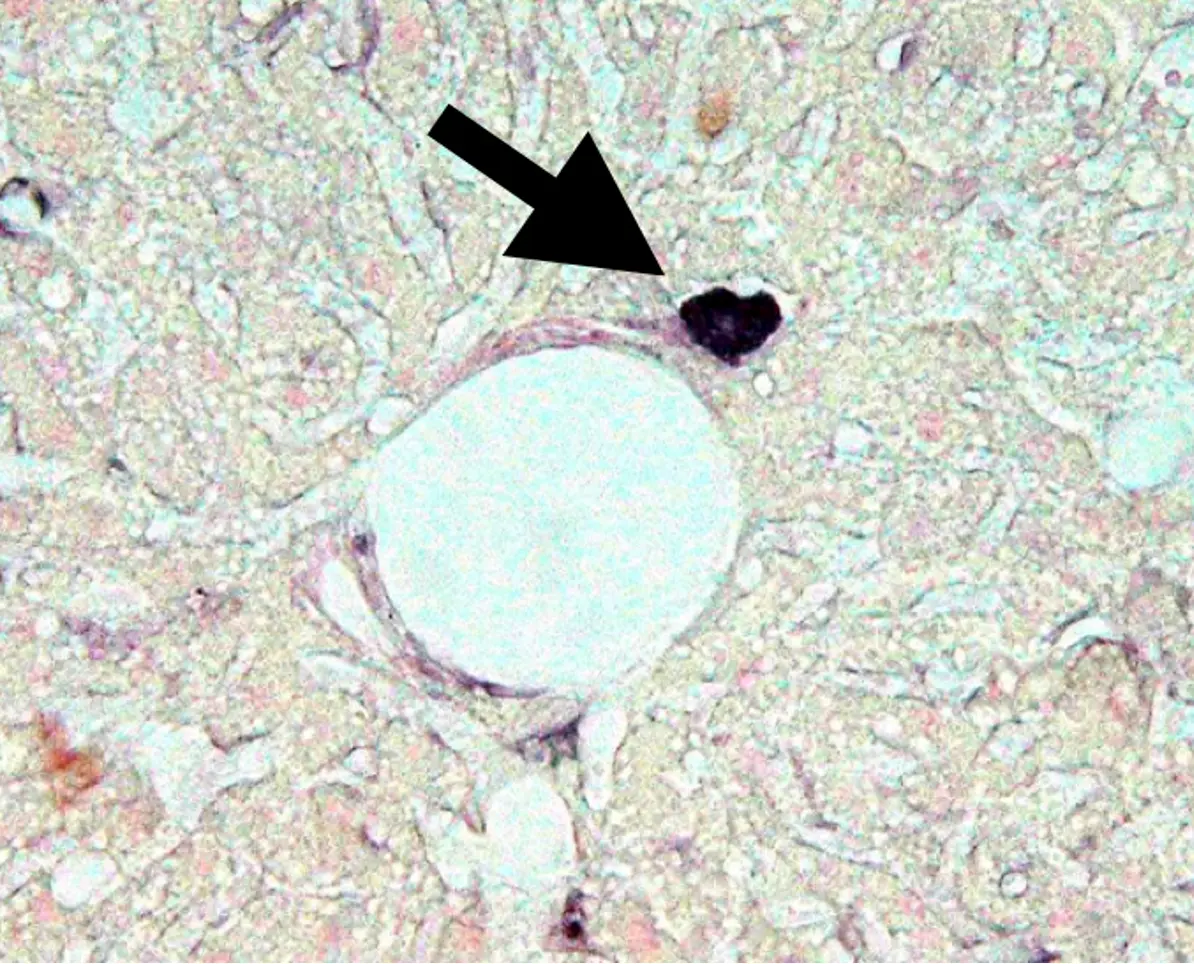
We study abnormal hematopoietic stem cells thought to contribute to persistent diabetes and its complications, and investigate how their properties relate to disease.

We are researching new therapeutic approaches aimed at complete diabetes remission by targeting abnormal cells considered to be diabetes stem cells.
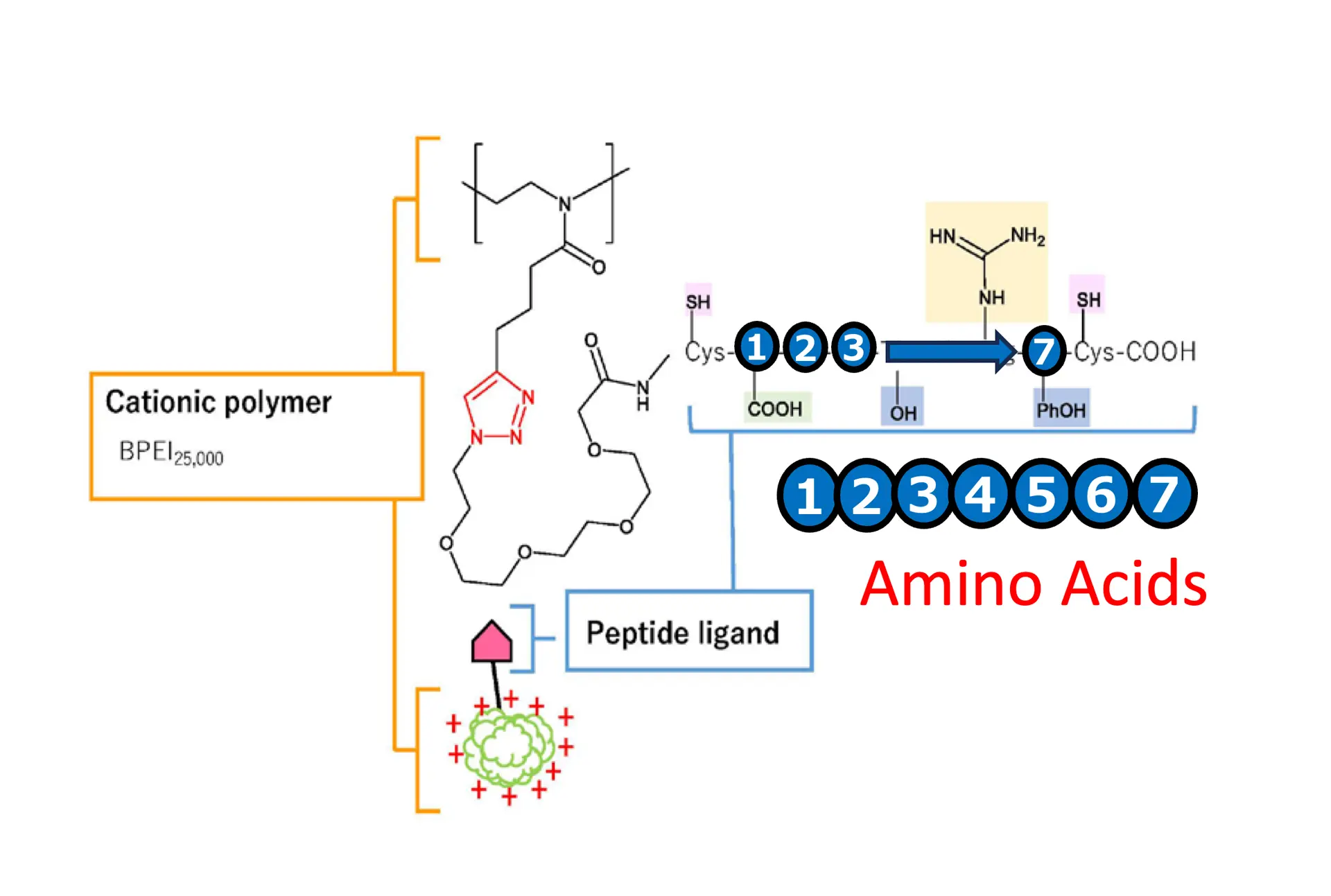
Biozipcode™ is a cell-targeting platform that identifies short peptide sequences recognizing specific cells and tissues for potential diagnostic and drug-delivery applications.

We aim to combine Biozipcode™ with drugs, genes, or nucleic acids to deliver therapeutic agents selectively to target cells.