

WHAT ARE DIABETES STEM CELLS?
What Are Diabetes Stem Cells?
Looking beyond blood sugar to understand why diabetes can persist.
Diabetes is a condition in which blood glucose remains elevated.
Current diabetes care focuses on managing blood glucose through diet, exercise, oral and injectable medications, and insulin, and on preventing or slowing complications.
Our research examines the possibility that normalizing blood glucose does not necessarily reverse the changes diabetes may cause at the cellular level.
In diabetes models, our research team has identified an abnormal cell population within the hematopoietic stem cell compartment that may contribute to persistent diabetes and its complications. For research purposes, we call these cells “diabetes stem cells” (DSCs).
What Are Diabetes Stem Cells?
Biozipcode, Inc. and its collaborators use the research term diabetes stem cells to describe abnormal hematopoietic stem and progenitor cells that may help sustain diabetes and its complications. This remains a research concept.
Mouse studies have observed abnormalities, including epigenetic changes, in part of the hematopoietic stem cell compartment under diabetic conditions.
These abnormal cells may move beyond the bone marrow into tissues throughout the body as bone marrow-derived cells and affect tissue regeneration and normal organ function.
DSCs have not been established as a standard diagnostic criterion for diabetes or as an approved biomarker. Their identity and frequency in humans, any causal relationship with diabetes, differences between type 1 and type 2 diabetes, links to complications, and ability to predict treatment response all require further validation.
WHY DOES DIABETES PERSIST?
Why Is Diabetes Difficult to Treat?
The pancreas contains beta cells that secrete insulin. In diabetes, impaired or reduced beta cells and insulin resistance can make blood glucose difficult to regulate.
Our research also examines whether abnormal bone marrow-derived cells arising in diabetes may affect pancreatic beta-cell regeneration and the environment for tissue repair, contributing to the persistence of the disease.
Our research hypothesis can be outlined as follows:
High blood glucose persists
↓
Hematopoietic stem and bone marrow-derived cells become abnormal
↓
Abnormal cells move from the bone marrow throughout the body
↓
Regeneration and normal function of the pancreas and other organs are affected
↓
Diabetes and its complications persist
We are studying the abnormal cells that may lie at the center of this cycle.
VASCULAR NICHE
When the environment
for organ repair is disrupted
In a healthy body, a range of cells supplied by the bone marrow support tissue repair and regeneration in the environment around blood vessels.
This perivascular microenvironment is known as the vascular niche. Our research points to a model in which bone marrow-derived cells contribute to tissue repair throughout the body as endothelial cells, pericytes, and organ-associated cells under normal conditions, while diabetes disrupts this regenerative system.
In diabetes, potential changes include
- abnormal vascular endothelial cells
- a loss of pericytes
- abnormal stem and progenitor cells
- abnormal cell fusion
and these changes may interfere with normal tissue repair.
EPIGENETIC MEMORY
A “memory” of disease within cells
One focus of diabetes stem cell research is epigenetic abnormalities.
Epigenetics refers to processes that regulate gene activity without changing the DNA sequence itself.
Abnormal expression of HDAC3, HDAC4, and HDAC8 has been reported in abnormal hematopoietic stem cells in diabetes models. Researchers are investigating whether diabetes-associated cellular states can persist even after blood glucose improves.
This raises the question:
Could cells retain a “memory” of diabetes even after blood glucose returns to normal?
That question remains under investigation.
Restoring normal cellular states may lead to therapies that target more fundamental aspects of diabetes.
20+ YEARS OF RESEARCH
A hypothesis built on more than 20 years of research
1999
Research begins into treating the underlying causes of diabetes

At Baylor College of Medicine in Texas, Professor Hideto Kojima began gene therapy research aimed at forming new pancreatic islets in the liver by studying how islets develop.
2003
Observation of cells that led to diabetes stem cell research
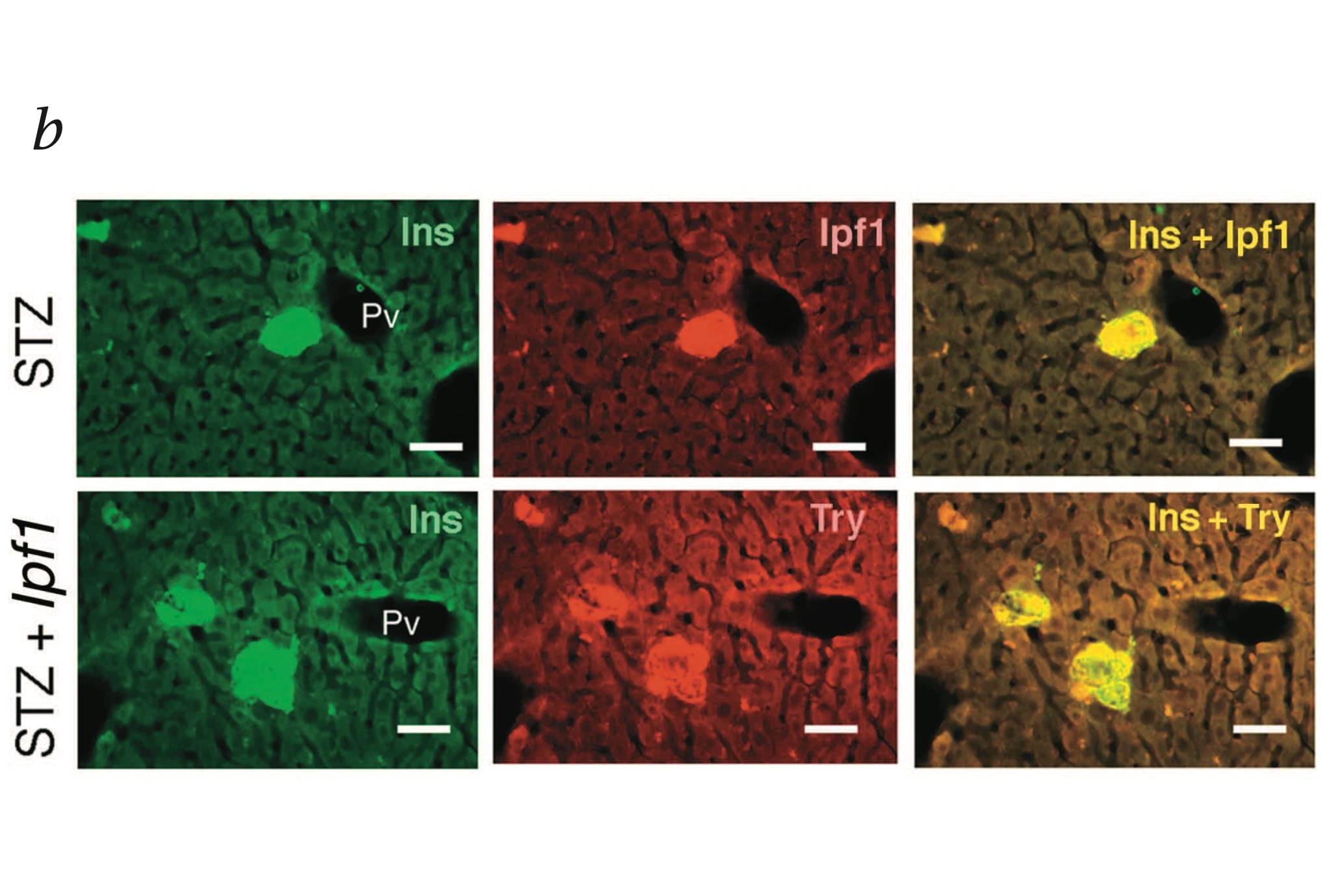
A study published in Nature Medicine reported the formation of new islets in mouse livers and remission of diabetes following gene therapy using NeuroD and betacellulin.
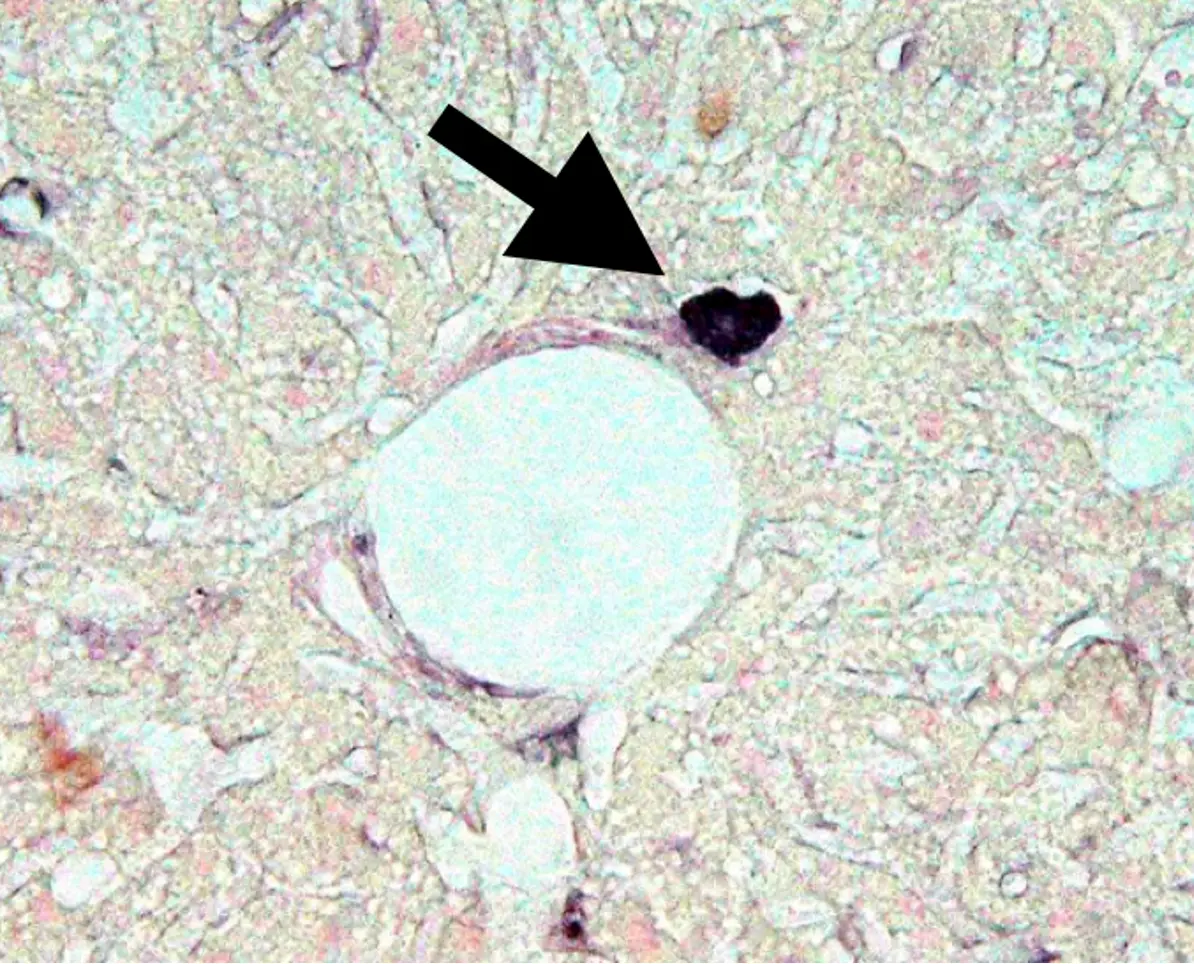
During this work, researchers observed unusual proinsulin-expressing cells in the livers of untreated diabetic mice. That finding became the starting point for more than 20 years of research into bone marrow-derived cells.
2021
Abnormal Short-Term Hematopoietic Stem Cells and Diabetic Neuropathy
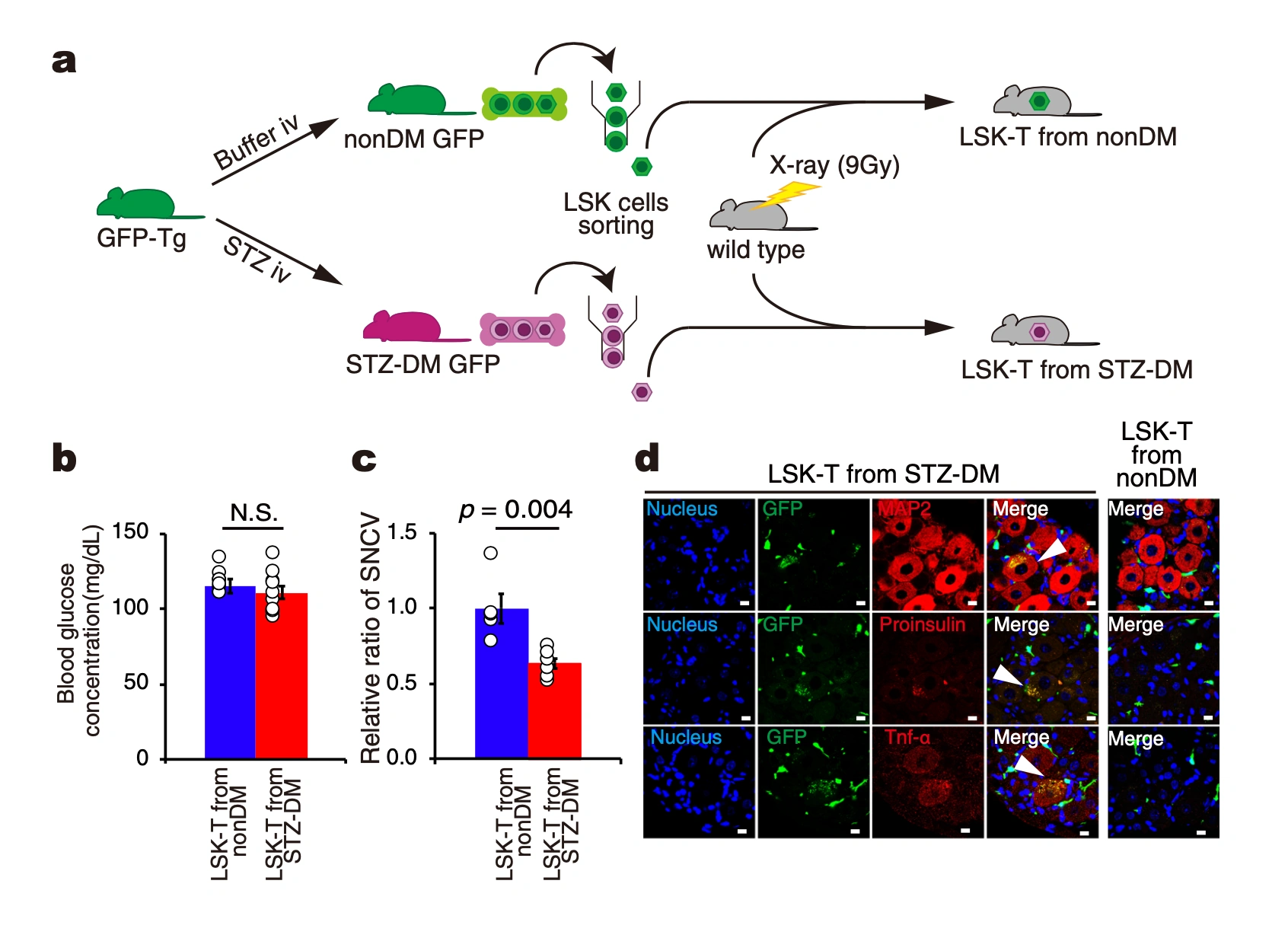
A study published in Communications Biology reported that CD106-positive short-term hematopoietic stem cells are involved in diabetic neuropathy.
The study reported that hematopoietic stem cells altered under diabetic conditions move into nerves and contribute to nerve damage through fusion with nerve cells.
2023
Research on Complete Remission in Diabetic Mice
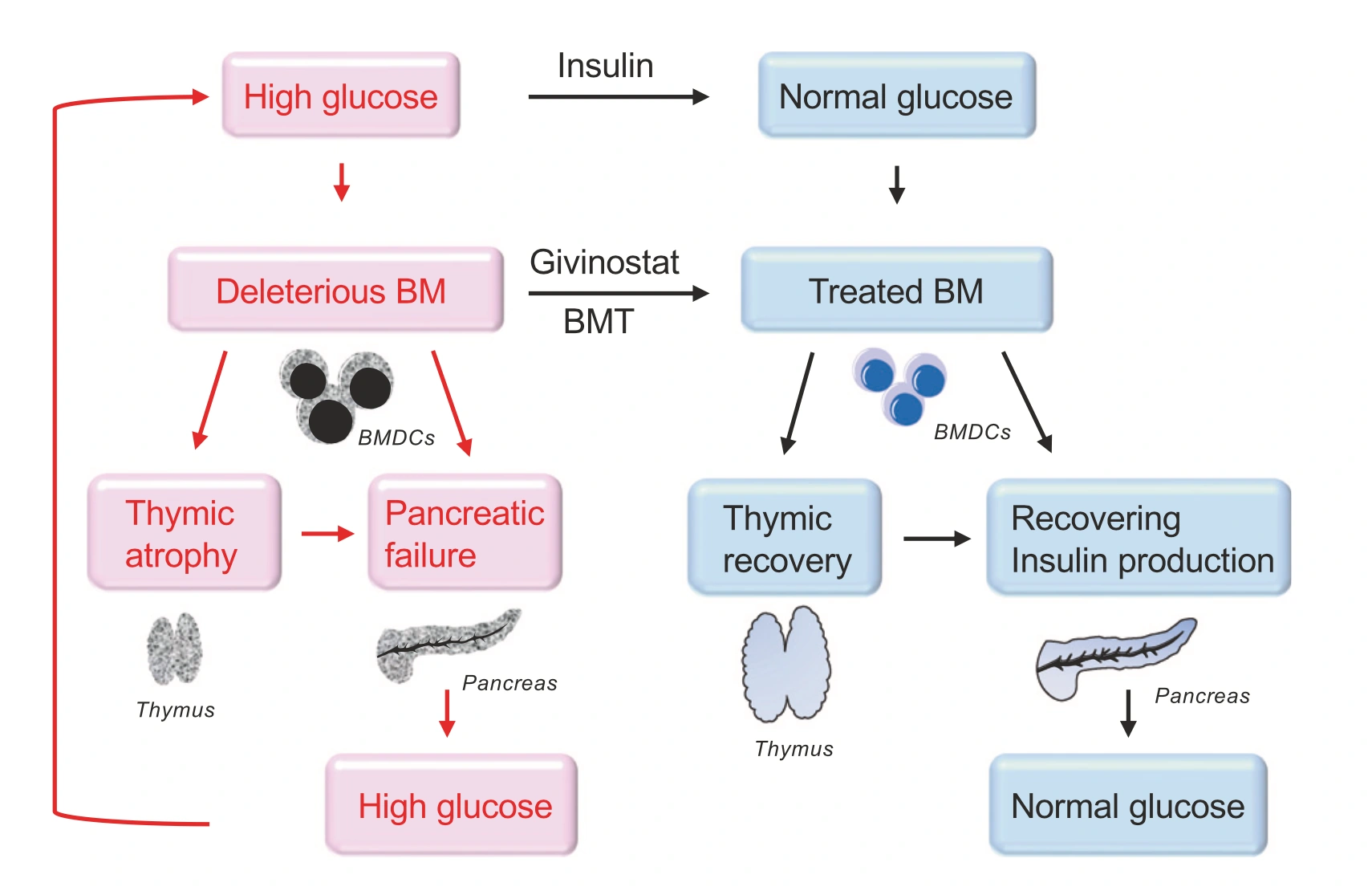
A study published in Communications Biology examined STZ-induced diabetic mice treated for a limited period with insulin and the HDAC inhibitor givinostat.
The study reported that normal blood glucose persisted after treatment ended, along with recovered insulin secretion and reduced changes associated with pathological bone marrow-derived cells.
It also indicated that thymus function was important to the treatment effect, supporting research into diabetes as a systemic condition involving the bone marrow, immune system, and pancreas.
2026
Detection of Diabetes Stem Cell-Like Cells in Human Type 2 Diabetes

A study published in Practical Laboratory Medicine analyzed peripheral blood from people with type 2 diabetes.
Abnormal stem cell populations with features previously reported in mouse diabetes stem cells (DSCs) were significantly more frequent in patients with diabetes than in healthy controls. The proportion of these cells also showed a significant positive correlation with HbA1c.
These findings suggest that an abnormal cell population resembling DSCs identified in mice may also be present in people with type 2 diabetes. Further studies, including single-cell and gene expression analyses, are needed to establish whether these are in fact human diabetes stem cells.

HUMAN RESEARCH
Toward Diabetes Stem Cell Research in Humans
Human validation is essential before a hypothesis developed in animal models can inform medical care.
Our research team has also conducted a pilot study of peripheral blood from people with type 2 diabetes and nondiabetic controls to explore abnormal cells considered candidate diabetes stem cells.
An exploratory analysis included 13 nondiabetic controls and 14 people with type 2 diabetes. These are valuable early data, but they do not constitute an established diagnostic method or large-scale clinical evidence.
Future prospective studies need to examine
- larger patient cohorts
- diabetes type and severity
- relationships with complications
- changes before and after treatment
- reproducibility
- distinguishing healthy people from those with other conditions
to validate these findings.

From Science to Better Care.
To bring research into real-world use, we work with pharmaceutical companies, research institutions, healthcare providers, businesses, investors, and supporters in Japan and abroad.
Science & Technology Links

We are developing new diagnostic and therapeutic technologies for difficult-to-treat diseases, built on diabetes stem cell research and Biozipcode™ cell-targeting technology.
We study abnormal hematopoietic stem cells thought to contribute to persistent diabetes and its complications, and investigate how their properties relate to disease.

We are researching new therapeutic approaches aimed at complete diabetes remission by targeting abnormal cells considered to be diabetes stem cells.
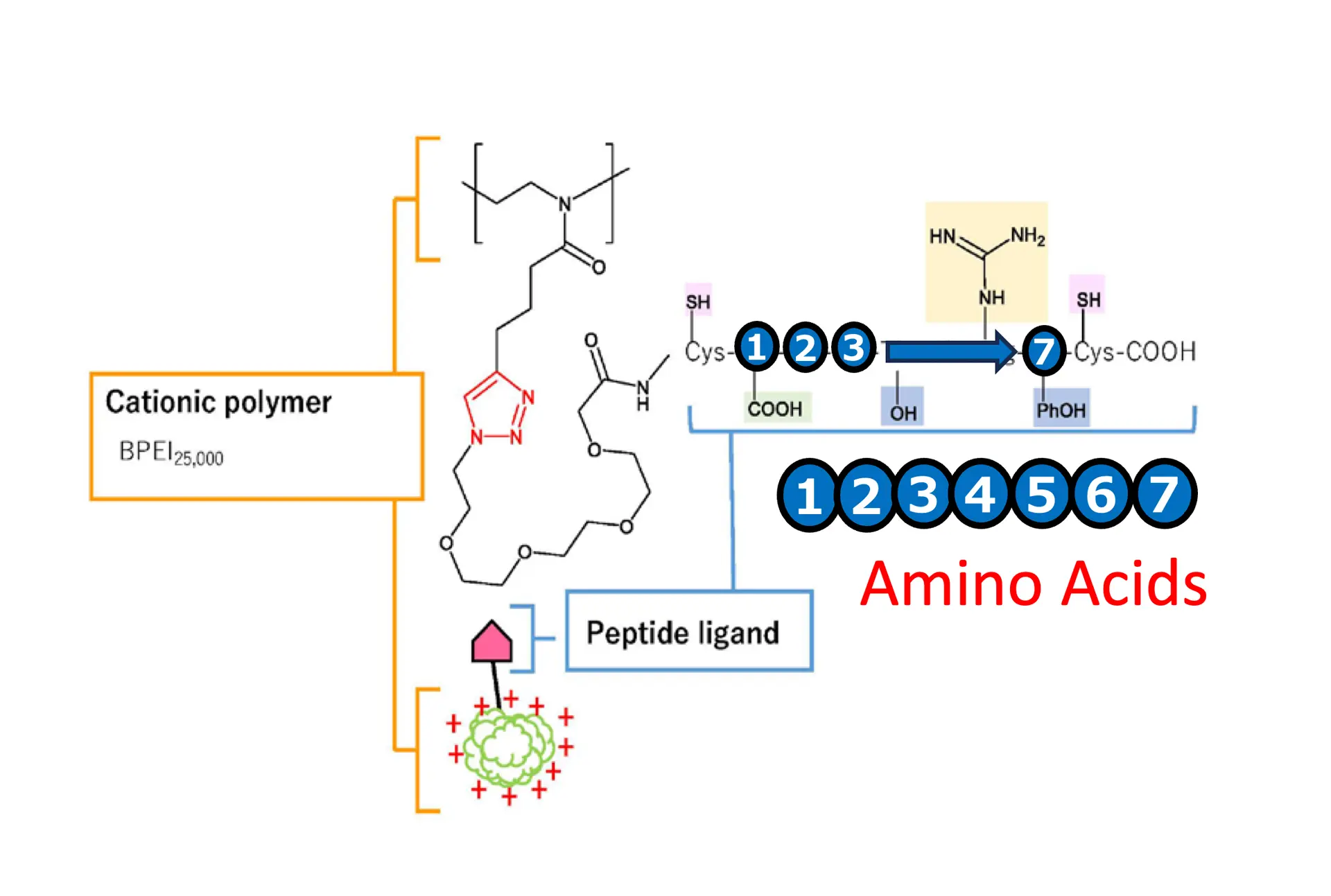
Biozipcode™ is a cell-targeting platform that identifies short peptide sequences recognizing specific cells and tissues for potential diagnostic and drug-delivery applications.

We aim to combine Biozipcode™ with drugs, genes, or nucleic acids to deliver therapeutic agents selectively to target cells.