

FROM ADDRESS TO DELIVERY
Turning the “addresses” found with Biozipcode™
into potential treatments.
Biozipcode™ research explores peptide sequences that bind to specific cells and tissues, with the goal of using them like cellular “addresses.”
Finding an address alone, however, does not make a treatment.
To deliver a drug to that address, we need to design where it goes, what it carries, and how it gets there as one system.
We describe cell-targeting technology in terms of three components.
ADDRESS
Identify the target cells
Use Biozipcode™ to recognize the cells or tissues intended for treatment.
PAYLOAD
Choose a therapeutic payload
Select an appropriate therapeutic or diagnostic molecule, such as a drug, gene, siRNA, nucleic acid, protein, or labeling agent.
VEHICLE
Deliver it to the target
Use viral, synthetic, or peptide vectors, polymers, or other carriers to transport the therapeutic molecule to target cells.
Together, Address × Payload × Vehicle forms the basis of cell-targeting technology.
Cell-targeting technology and Biozipcode™ remain in research and development. Selectivity for target cells, delivery efficiency, distribution in the body, safety, and therapeutic effects vary with the peptide, drug, vector, and route of administration.
The research described here includes basic and preclinical studies in cell and animal models; it does not establish efficacy or safety in humans. Clinical use would require adequate preclinical assessment, CMC and quality evaluation, ethical review, clinical studies, and approval by the relevant regulatory authorities.
BEYOND MOLECULAR TARGETING
From targeting molecules to targeting cells.
Many new medicines use molecular targeting, focusing on a particular receptor, enzyme, or protein.
Molecularly targeted therapies are valuable, but a drug may also affect healthy tissues if those tissues contain the same target molecule.
Cell targeting takes a broader approach:
rather than looking only at a molecule,
it identifies the cell that carries it
This is the principle of cell targeting.
If Biozipcode™ candidates can bind more selectively to the cells intended for treatment, they may reduce exposure elsewhere and improve the balance between efficacy and safety, known as the therapeutic index.
PREVIOUS PROOF OF CONCEPT
Research Behind Cell Targeting
Research into cell-targeting technology builds on several experimental studies, particularly in the nervous system.
DRG-Targeting Peptides
Phage display identified several peptide sequences that bind to dorsal root ganglion (DRG) neurons, and their binding was assessed in vitro and in vivo.
DRG-Targeted Gene Delivery
Researchers incorporated targeting peptides into a viral vector and studied whether this could increase gene expression in the DRG.
Spinal Cord-Homing Peptides
In vivo phage display was used to identify candidate peptides that can reach the spinal cord from the bloodstream.
Microglia-Targeted siRNA Delivery
Researchers have combined peptides targeting spinal microglia with siRNA and investigated therapeutic applications in models of neuropathic pain.
Together, these studies support the research sequence “find a targeting peptide” → “incorporate it into a vector” → “deliver a therapeutic molecule” that underpins the cell-targeting approach.
APPLICATIONS
Potential Applications of Cell-Targeting Technology
DIABETES
Diabetes Stem Cells (DSCs)
We are exploring Biozipcode™ candidates that recognize abnormal hematopoietic stem cells thought to contribute to persistent diabetes, with potential applications in biomarkers and investigational cell-targeted therapies. “Diabetes stem cells” (DSCs) is our research term for these cells.
ONCOLOGY
Cancer Cells
We seek candidate peptides that bind selectively to cancer cells while comparing and screening out binding to healthy cells. Future applications may include delivering anticancer drugs, nucleic acids, or genes to cancer cells.
NERVOUS SYSTEM
Neuroscience & Pain
Building on studies of the DRG, spinal cord, and microglia, we are investigating selective delivery of genes and nucleic acids to the nervous system.
REGENERATIVE MEDICINE
Tissue Regeneration
We aim to attach cell-recognizing peptides to biomaterials to encourage the attachment and recruitment of needed cells, with potential applications in materials that support tissue regeneration.
THREE DELIVERY APPROACHES
Three Delivery Approaches
Our research explores ways to apply Biozipcode™ across different delivery systems.
01 TARGETED VIRAL VECTOR
Viral Vectors
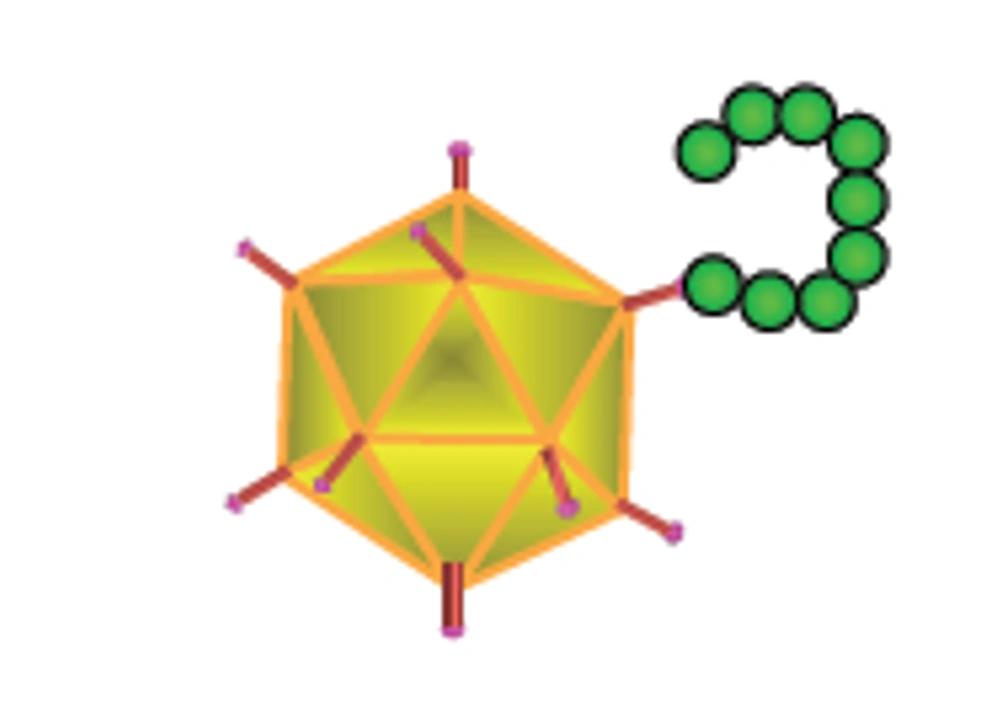
Viral vectors are a means of introducing genes into cells.
By incorporating targeting peptides onto or into the vector, we aim to increase delivery to selected cells and tissues.
Previous research incorporated a DRG-targeting peptide into a helper-dependent adenovirus vector and studied improved gene delivery to sensory neurons.
02 TARGETED ARTIFICIAL VECTOR
Synthetic Vectors
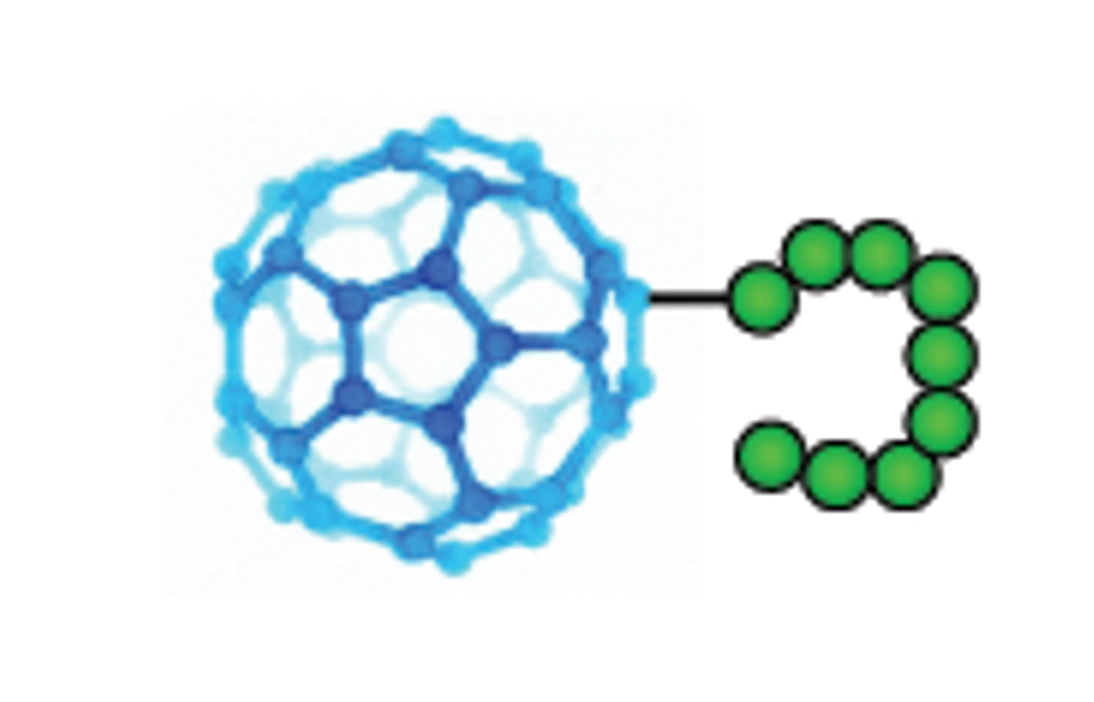
This approach attaches Biozipcode™ to a nonviral synthetic carrier. Studies have combined targeting peptides with vectors based on nanodiamonds or cationic polymers.
Potential advantages of synthetic vectors include
- flexibility in chemical design
- flexibility to change the payload
- the ability to design delivery without a virus
and we are studying how to load them with drugs, genes, or nucleic acids for different purposes.
03 TARGETED PEPTIDE VECTOR
Peptide Vectors

This approach directly combines a targeting peptide with a functional peptide that carries nucleic acids or other payloads.
Previous studies combined peptides targeting the spinal cord or microglia with siRNA and examined applications in models of neuropathic pain.
These studies suggest that short peptides may serve not only as labels but also as functional ligands for delivering therapeutic molecules to target cells.
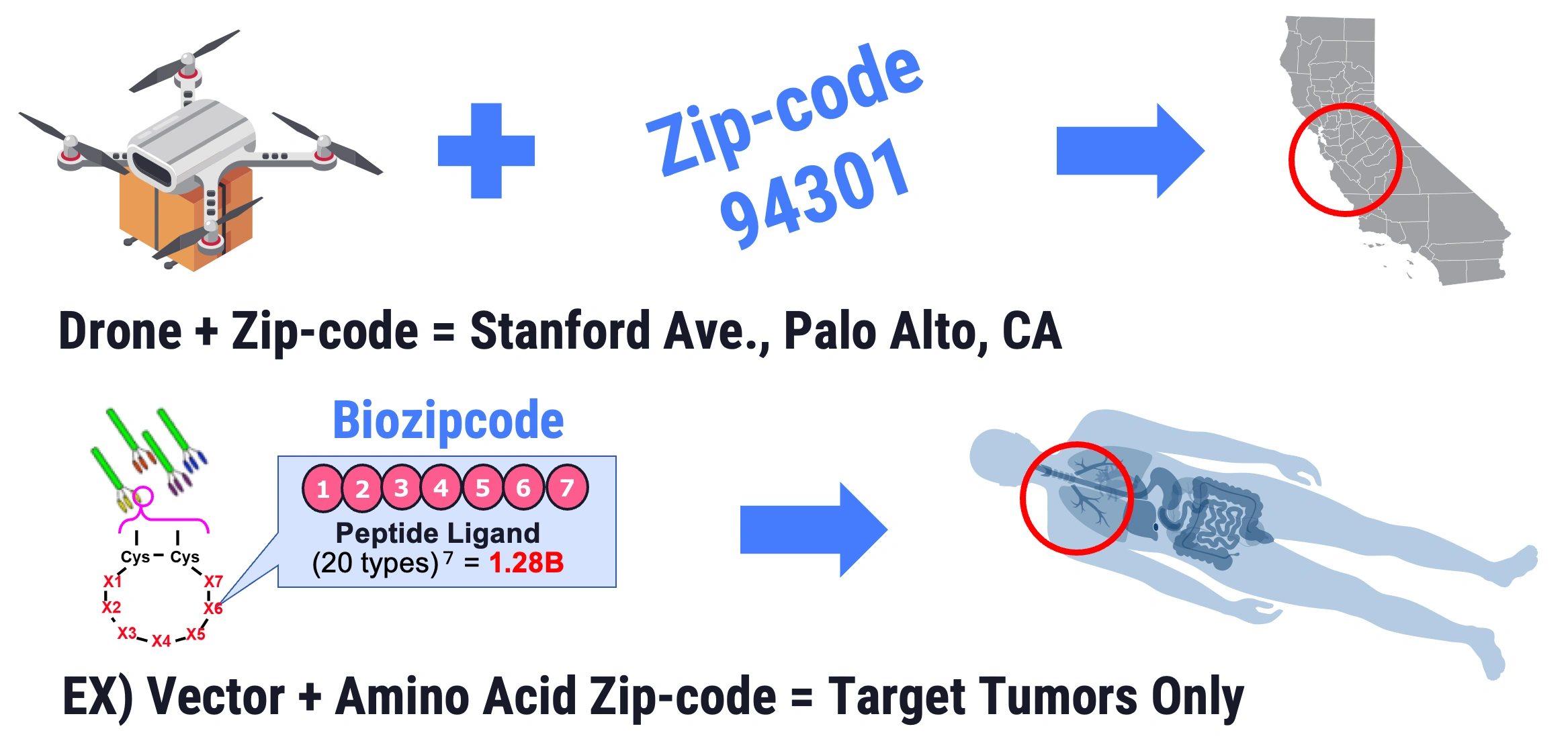
REDUCING OFF-TARGET EXPOSURE
Aiming to reduce off-target effects,
not promising to eliminate side effects.
One important goal of cell-targeting technology is to reduce drug exposure in cells that do not need treatment.
Greater selectivity for target cells could
- reduce effects on healthy tissues
- increase drug concentration where it is needed
- help optimize the total dose
- improve the therapeutic index of existing drugs
These are potential benefits, not guaranteed outcomes.
Cell targeting does not necessarily eliminate side effects.
Actual safety depends on
- the targeting peptide
- the carrier
- the therapeutic payload
- the dose
- the route of administration
- distribution in the body
- expression of target antigens or receptors
and other factors.
Biozipcode, Inc. is therefore developing “technology aimed at reducing off-target effects,” not “drugs with no side effects”.

CELL-TARGETING PLATFORM
A platform for many therapies,
not just one medicine.
Cell-targeting technology is not limited to a single medicine.
- Change the target cells.
- Change the Biozipcode™ candidate.
- Change the payload.
- Change the vehicle.
Different combinations could support different diseases and therapeutic approaches.
Our goal is to combine
cell recognition using Biozipcode™
+
delivery using DDS or vectors
+
therapeutic molecules such as drugs, genes, or nucleic acids
to develop cell targeting into a drug discovery platform.

From Science to Better Care.
To bring research into real-world use, we work with pharmaceutical companies, research institutions, healthcare providers, businesses, investors, and supporters in Japan and abroad.
Science & Technology Links

We are developing new diagnostic and therapeutic technologies for difficult-to-treat diseases, built on diabetes stem cell research and Biozipcode™ cell-targeting technology.
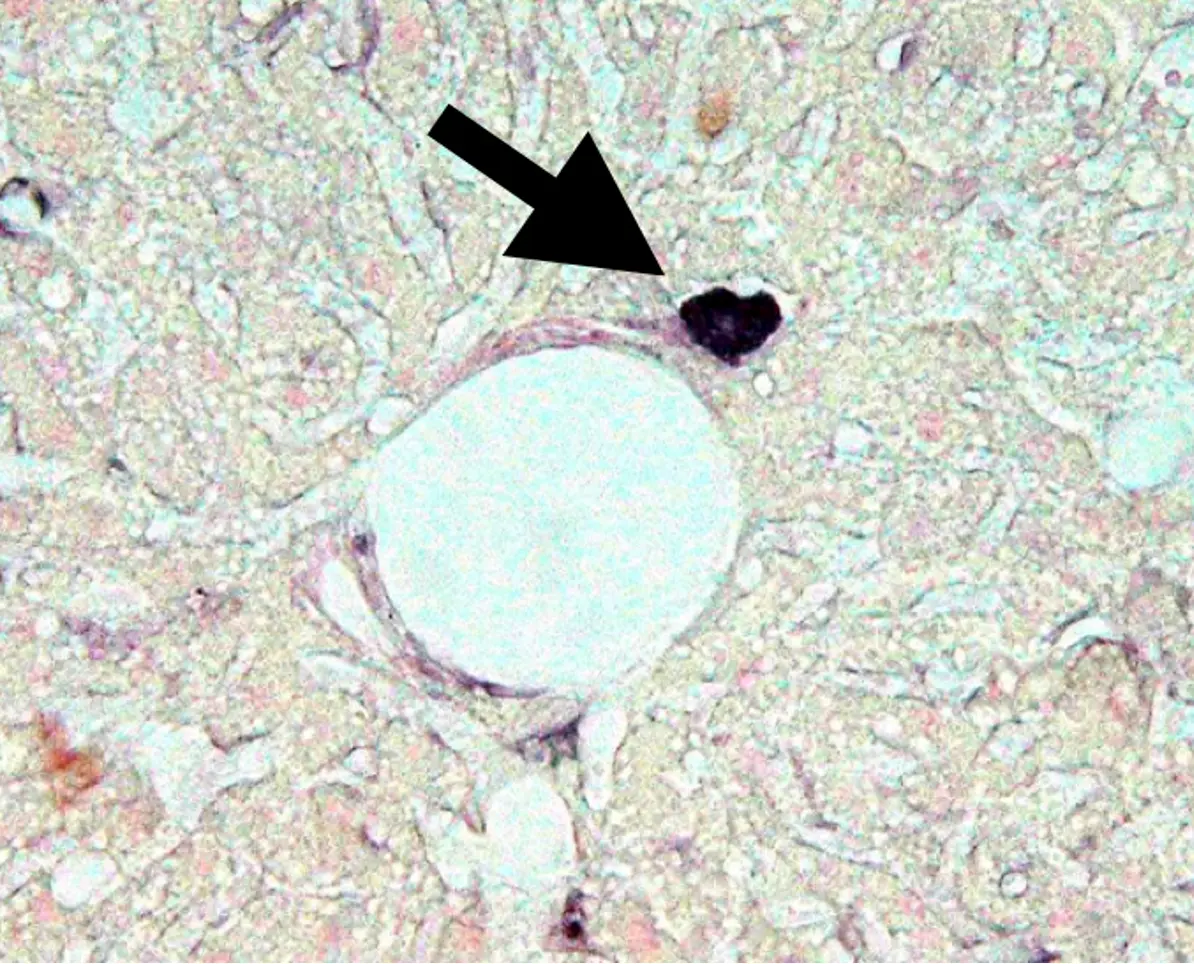
We study abnormal hematopoietic stem cells thought to contribute to persistent diabetes and its complications, and investigate how their properties relate to disease.

We are researching new therapeutic approaches aimed at complete diabetes remission by targeting abnormal cells considered to be diabetes stem cells.
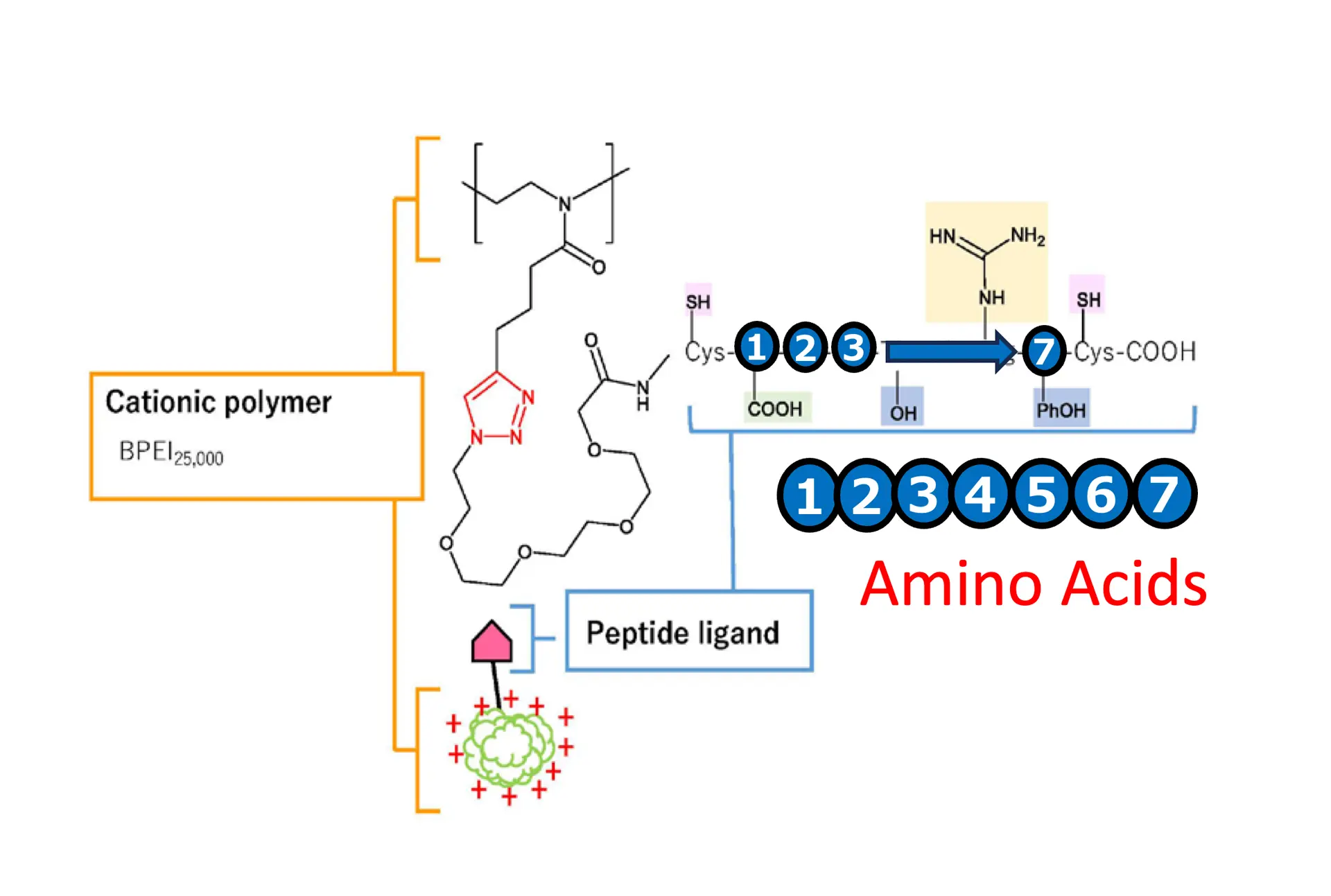
Biozipcode™ is a cell-targeting platform that identifies short peptide sequences recognizing specific cells and tissues for potential diagnostic and drug-delivery applications.

We aim to combine Biozipcode™ with drugs, genes, or nucleic acids to deliver therapeutic agents selectively to target cells.