

パイプライン一覧
DEVELOPMENT PIPELINE

Pipeline Overview

Turning research findings into diagnostic and therapeutic technologies.

Biozipcode, Inc. aims to develop findings from basic research into diagnostic technologies, therapeutic candidates, cell-targeted drug candidates, and medical materials that can be put to practical use.

In diabetes, our R&D focuses on therapeutic candidates aimed at complete remission, biomarkers associated with diabetes stem cells, and cell-targeted drug candidates using Biozipcode™.

We also aim to apply Biozipcode™ cell-recognition technology to cancer-cell targeting and tissue regeneration. For each program, we are working toward development stages spanning basic and preclinical research, clinical application, and commercialization.

Basic Research

We are developing an investigational cell-targeted diabetes therapy by combining Biozipcode™ candidates that recognize diabetes stem cells with existing HDAC inhibitors, with a cure as a long-term research goal.

Basic Research

We are developing investigational materials designed to integrate with tissue when placed at the site, potentially avoiding transplantation or suturing. One focus is regenerative approaches for skin damage, including burns.

Basic Research

Preclinical (Animal) Research

We are exploring a companion diagnostic candidate based on detecting cells consistent with the research concept of diabetes stem cells in peripheral blood to help assess diabetes.

Preclinical / Clinical POC

We are investigating whether Biozipcode™ candidates that recognize features shared by cancer cells could deliver new anticancer agents and enable the reconsideration of drugs previously limited by side effects.

Preclinical / Clinical POC

We are researching a treatment approach combining an existing HDAC inhibitor (or a drug with HDAC-inhibiting activity) with insulin. The aim is to evaluate whether repurposing existing medicines could benefit people with type 2 diabetes.

Preclinical / Clinical POC

Phase I: Safety and Dose

Phase II: Efficacy and Side Effects

Phase III: Confirmatory Studies

Understanding the Pipeline Stages

Basic research lays the foundation for drug discovery by investigating the biology and chemistry of disease at the molecular level. It helps identify potential drug targets and understand disease mechanisms, providing a basis for future treatments.

Key Points:

Identify and validate potential drug targets.
Use advanced methods to study disease mechanisms.
Review the literature, model biological processes, and run laboratory experiments.
Examine how potential therapeutic compounds interact with biological systems.
Form hypotheses about how a new medicine might affect disease processes.

Preclinical research tests drug candidates in laboratory and animal models before human trials. These studies examine safety, pharmacokinetics, pharmacodynamics, and potential efficacy. The results help determine whether a candidate has an acceptable basis for entering clinical studies.

Key Points:

Assess toxicity, metabolism, and pharmacological effects in animal models.
Determine dose ranges and identify potential side effects.
Examine effects on biological systems and possible mechanisms of action.
Generate data to inform clinical trial design, including dosing plans.
Regulators review preclinical data before allowing human studies to begin.

Phase I studies are usually the first tests of an investigational medicine in humans. They focus on safety, tolerability, pharmacokinetics, and pharmacodynamics, and help determine a dose range suitable for further study.

Key Points:

Assess safety and determine appropriate doses.
Studies may enroll approximately 20–100 healthy volunteers or patients.
Examine how the medicine is absorbed, metabolized, and eliminated.
Identify side effects as doses increase.

Phase II studies further evaluate an investigational medicine in people with a specific condition, often in larger groups of around 100–300 participants. They begin gathering preliminary evidence of effectiveness while continuing to monitor safety, including short-term side effects.

Key Points:

Further assess potential efficacy and safety.
Include larger groups of people with the condition.
Help identify a dose that balances potential benefit and side effects.
Provide additional safety data and early evidence of efficacy.

Phase III studies evaluate an investigational medicine in larger populations, sometimes 1,000–3,000 participants. They seek to confirm efficacy, monitor side effects, compare the treatment with standard care, and gather information for safe use. Their results may support an application for regulatory approval.

Key Points:

Confirm efficacy on a larger scale and assess the overall balance of benefits and risks.
Include large patient groups.
Compare the investigational medicine with standard treatment.
Provide important evidence for review by regulators such as the FDA.

Phase IV studies take place after a medicine is approved for marketing. They gather further information about its effects across different populations and about possible side effects with long-term use. They may also examine other potential uses and refine guidance for treatment.

Key Points:

Begin after marketing approval.
Monitor long-term effects and safety.
May investigate additional uses, benefits, and dosing strategies.
Can involve thousands of people using the medicine.

Pipeline Overview

パイプライン一覧

Our R&D programs span diabetes, cancer, and tissue regeneration, including therapeutic candidates, biomarkers, and cell-targeted drug candidates.
糖尿病根治治療候補

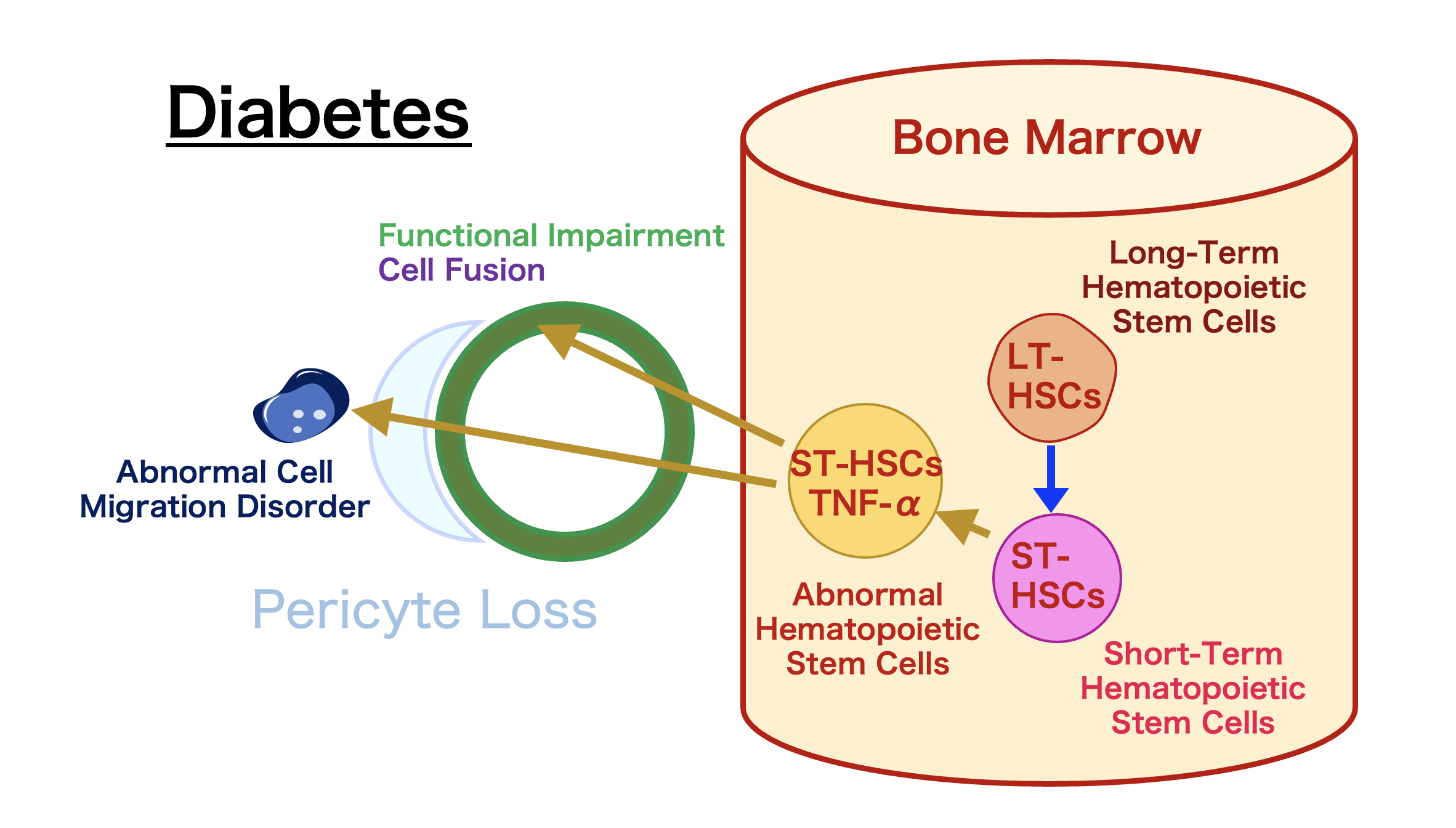
We are investigating a therapeutic candidate aimed at complete remission of diabetes, with benefits that persist after treatment ends, by addressing mechanisms that sustain the disease.

糖尿病幹細胞バイオマーカー

We aim to measure cells and signals associated with diabetes stem cells for potential use in disease assessment, patient stratification, and monitoring treatment response.

Biozipcode™糖尿病細胞標的薬

We are developing investigational approaches that combine Biozipcode™ sequences recognizing diabetes stem cells with therapeutic molecules to act selectively on target cells.
がん細胞標的薬

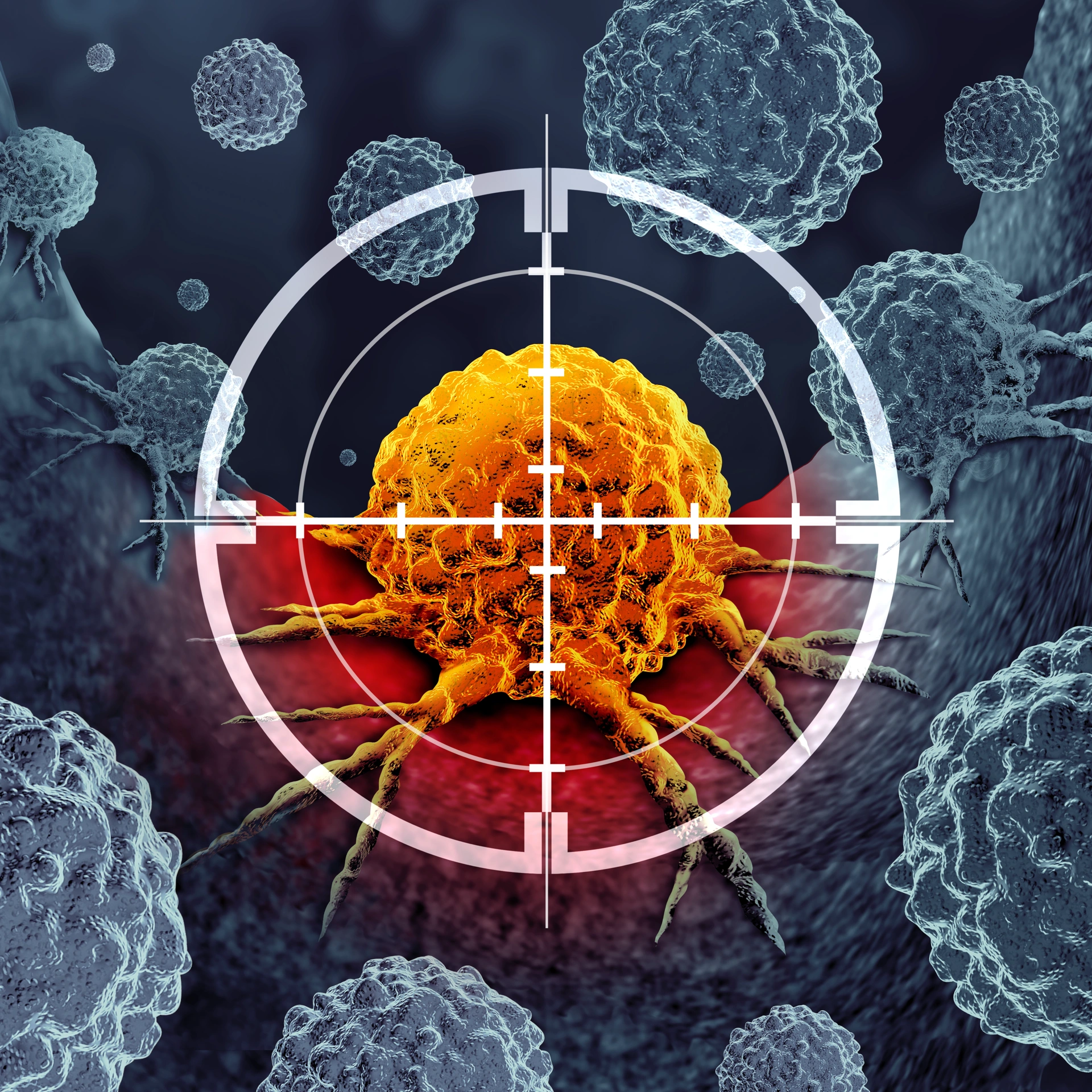
We are studying investigational approaches that use Biozipcode™ sequences recognizing cancer cells to deliver anticancer drugs or genes to target cells.
細胞標的化による組織再生

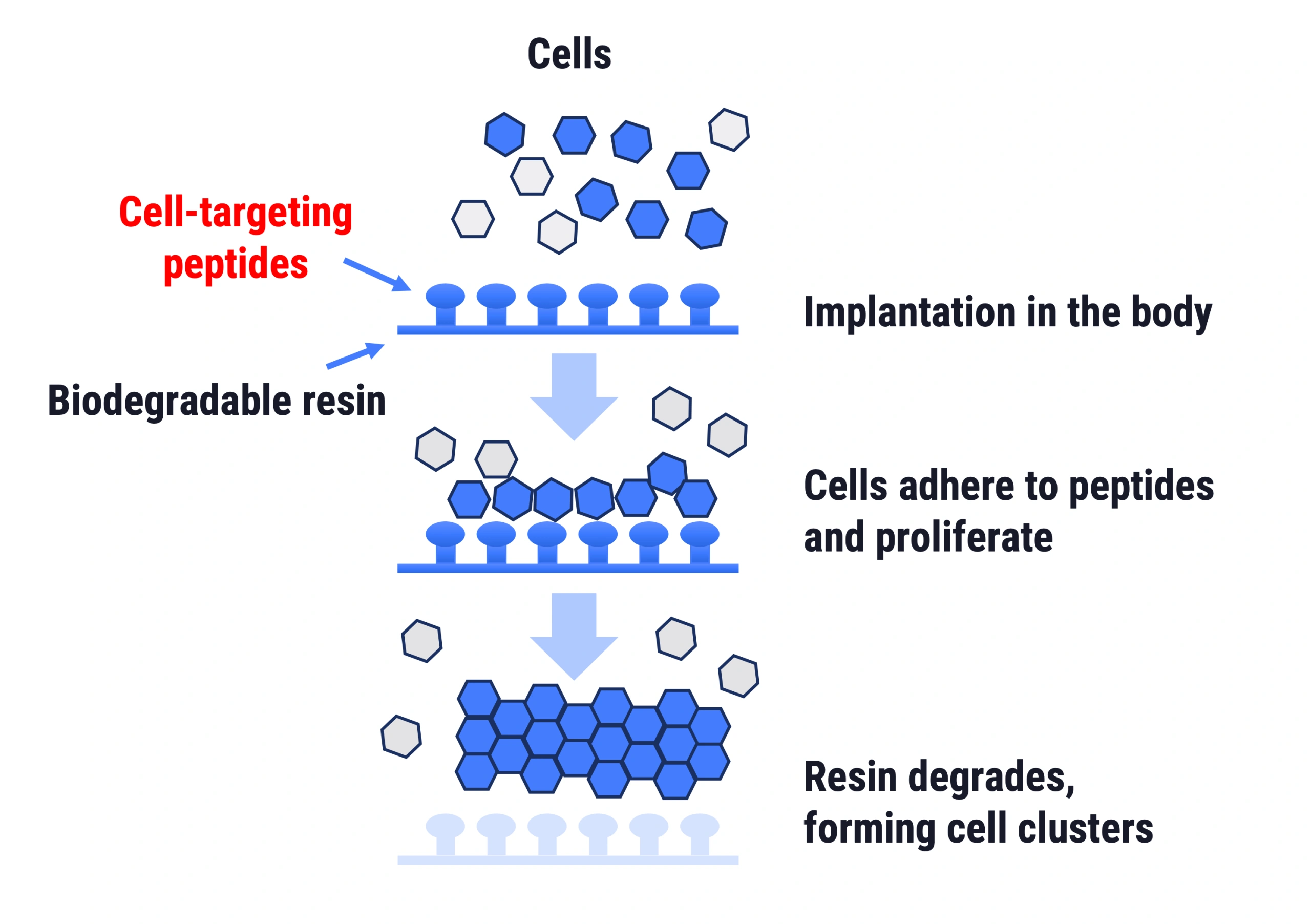
We aim to develop medical technologies that combine cell-guiding peptides with biomaterials to support wound healing and tissue regeneration.