
DIABETES REMISSION THERAPY
Diabetes Stem Cell Biomarker
Looking beyond blood glucose to
measure the cellular state of diabetes.
Current diabetes care uses blood glucose, HbA1c, and other measures to assess glucose metabolism. These are essential measures for diagnosis and treatment.
Biozipcode, Inc. and its collaborators are also studying whether abnormal hematopoietic stem cells and bone marrow-derived cells arising in diabetes may contribute to the persistence of diabetes and its complications.
For research purposes, we refer to these abnormal hematopoietic stem and progenitor cell populations as “diabetes stem cells” (DSCs).
Our aim is to measure more than how high blood glucose is: we want to assess the state of cells that may sustain diabetes.
Neither proinsulin, TNF-α, nor CD106, alone or in combination, has been established as a diagnostic test for diabetes. A Biozipcode™-based DSC assay, cell-capture chip, and companion diagnostic are all at the research and development stage or remain future concepts. None is an approved in vitro diagnostic product or medical device.
Diagnostic performance, clinical validity, and clinical utility in humans require evaluation in prospective clinical studies.
WHY A NEW BIOMARKER?
Why do we need a new biomarker?
Blood glucose and HbA1c are highly useful for assessing glucose metabolism.
If our hypothesis about diabetes stem cells also holds true in humans, however, it may be necessary to assess
glucose status
and
the cellular state that may sustain the disease
separately.
For example, we may eventually be able to distinguish between cases in which
blood glucose improves while disease-related cells remain
and cases in which
disease-related cells decline as blood glucose improves
in an objective way.
Detecting and quantifying DSC-related cells is therefore a key research and development goal alongside treatment research.
WHAT ARE WE TRYING TO DETECT?
What are we trying to measure?
Studies in mouse models of diabetes have observed cells within hematopoietic stem cell fractions that differ from normal cells.
The main features under study include
- CD106(VCAM-1)
- TNF-α
- Proinsulin
- phenotypes associated with short-term hematopoietic stem cells
as potential indicators in diabetes stem cell research.
A positive result for any one of these markers does not, by itself, identify a cell as a “diabetes stem cell.”
We are still investigating how to define disease-related cells using combinations of cell-surface markers, intracellular proteins, cell morphology and function, and genetic and epigenetic information.
FROM BONE MARROW TO BLOOD
Detecting bone marrow abnormalities in peripheral blood.
Hematopoietic stem cells are found mainly in bone marrow. Repeated bone marrow sampling, however, would place a considerable burden on patients if used for routine testing.
We are therefore investigating whether disease-related cells can be detected in peripheral blood.
If DSC-related cells can be detected reproducibly in peripheral blood, a standard blood draw could potentially lead to a method for
isolating the cells
↓
analyzing their features
↓
quantifying disease-related cells
as part of a future test.
BETA-CELL RECOVERY
Restoring the environment for beta-cell recovery,
not just targeting beta cells themselves.
In diabetes, the function of insulin-secreting pancreatic beta cells declines.
Under certain conditions, beta cells can regenerate and recover function.
Our research examines whether abnormal bone marrow-derived cells arising in diabetes may affect blood vessels and the regenerative environment around pancreatic islets, interfering with normal beta-cell recovery.
Our development approach therefore explores
not only stimulating beta cells directly, but also
removing barriers to their recovery
as a potential therapeutic strategy.
IMMUNE & THYMIC RECOVERY
Considering immune and thymus function in complete remission.
A 2023 mouse study also suggested that thymus function may be important to the protective effects of treatment.
The thymus plays a key role in developing the immune system, including T cells.
These findings suggest that complete remission may involve more than the pancreas alone, including
Bone marrow
+
Immune system and thymus
+
Pancreatic beta cells
+
Tissue regeneration throughout the body
as interrelated parts of a systemic process. We are investigating this possibility.
FROM BLOOD TEST TO DISEASE STATE
Looking beyond whether someone has diabetes
to how the disease process is changing.
The biomarker we envision would complement existing diabetes diagnostics.
Alongside established clinical measures such as blood glucose, HbA1c, and C-peptide, we aim to add
a new layer of information about disease-related cells
to the clinical picture.
In the future, this could combine
Glucose / HbA1c
=current glucose metabolism
C-peptide
=endogenous insulin secretion
DSC Biomarker
=the state of disease-related cells
to provide a more complete view of diabetes.
BIOMARKER-GUIDED THERAPY
Connecting complete remission research with biomarkers.
To study complete remission of diabetes, “blood glucose fell during treatment” is not enough.
What matters most to us is what happens after treatment ends.
Future clinical studies may therefore need to evaluate
- HbA1c
- Blood glucose
- C-peptide
- Insulin requirements
- Beta-cell function
- DSC-related biomarkers
- Persistence of effects after treatment ends
in combination.
FUTURE PRODUCT CONCEPT
Toward a simpler blood test.
Once a research assay is established and the clinical significance of a DSC biomarker is confirmed, we may explore simpler testing methods.
One possibility is a
cell-capture chip coated with Biozipcode™
+
compact testing device
that could capture and measure target cells from a small blood sample.
In the longer term, we aim to develop a system that is practical for healthcare providers and testing laboratories.
OUR GOAL
Care that looks beyond blood glucose to disease-related cells.
We aim to add cellular information to blood glucose and HbA1c, which remain essential to diabetes care.
This could help us
Understand the disease process
↓
Identify suitable patients
↓
Treat them
↓
Assess changes in the disease process
↓
Follow up after treatment ends
and advance a new approach to diabetes care. That is the goal of this pipeline.
Looking beyond whether someone has diabetes
to measure how the processes sustaining it have changed.
We aim to develop the biomarker technology needed to do that.
Pipeline Overview

Our R&D programs span diabetes, cancer, and tissue regeneration, including therapeutic candidates, biomarkers, and cell-targeted drug candidates.
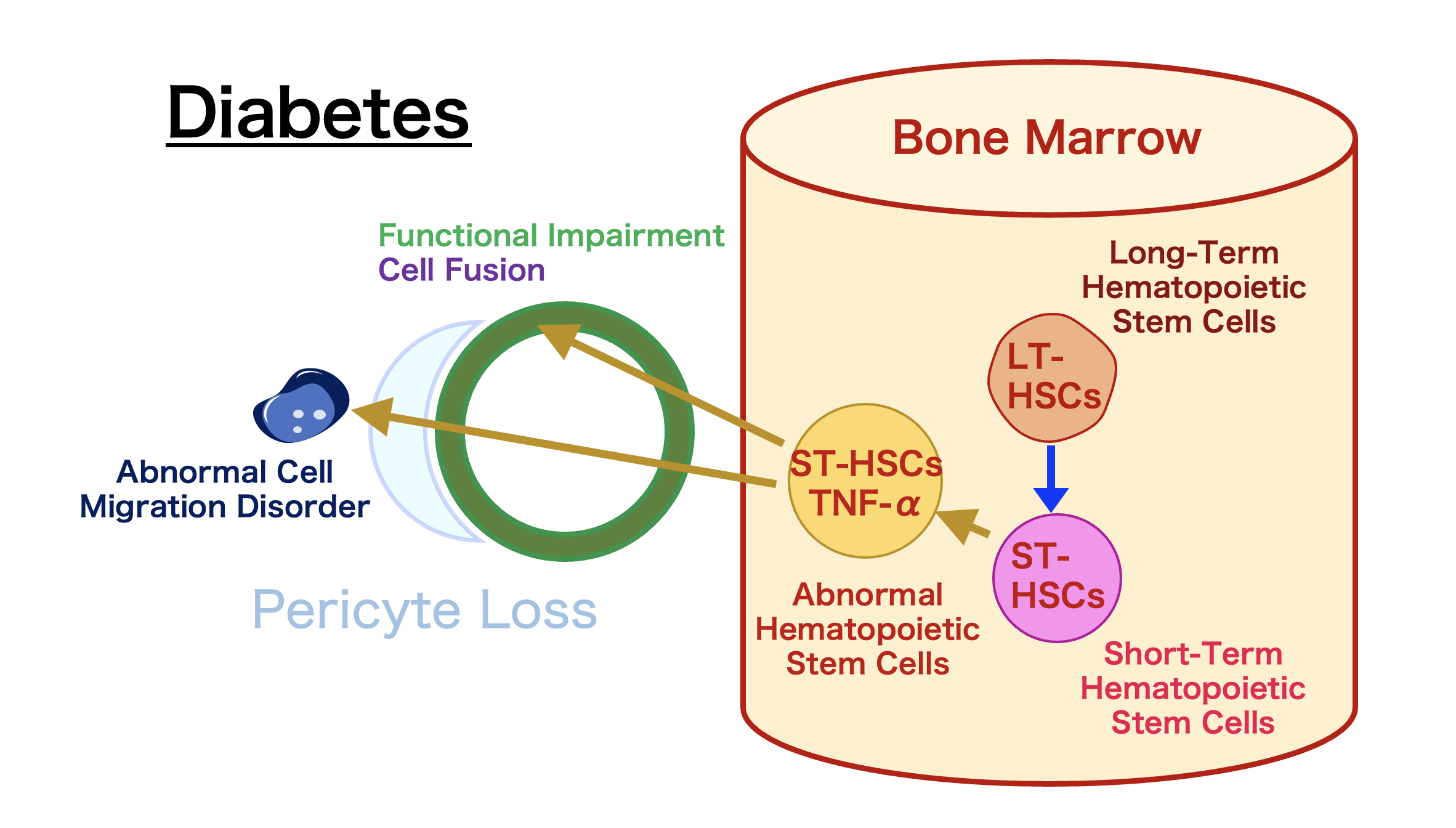
We are investigating a therapeutic candidate aimed at complete remission of diabetes, with benefits that persist after treatment ends, by addressing mechanisms that sustain the disease.
We aim to measure cells and signals associated with diabetes stem cells for potential use in disease assessment, patient stratification, and monitoring treatment response.

We are developing investigational approaches that combine Biozipcode™ sequences recognizing diabetes stem cells with therapeutic molecules to act selectively on target cells.
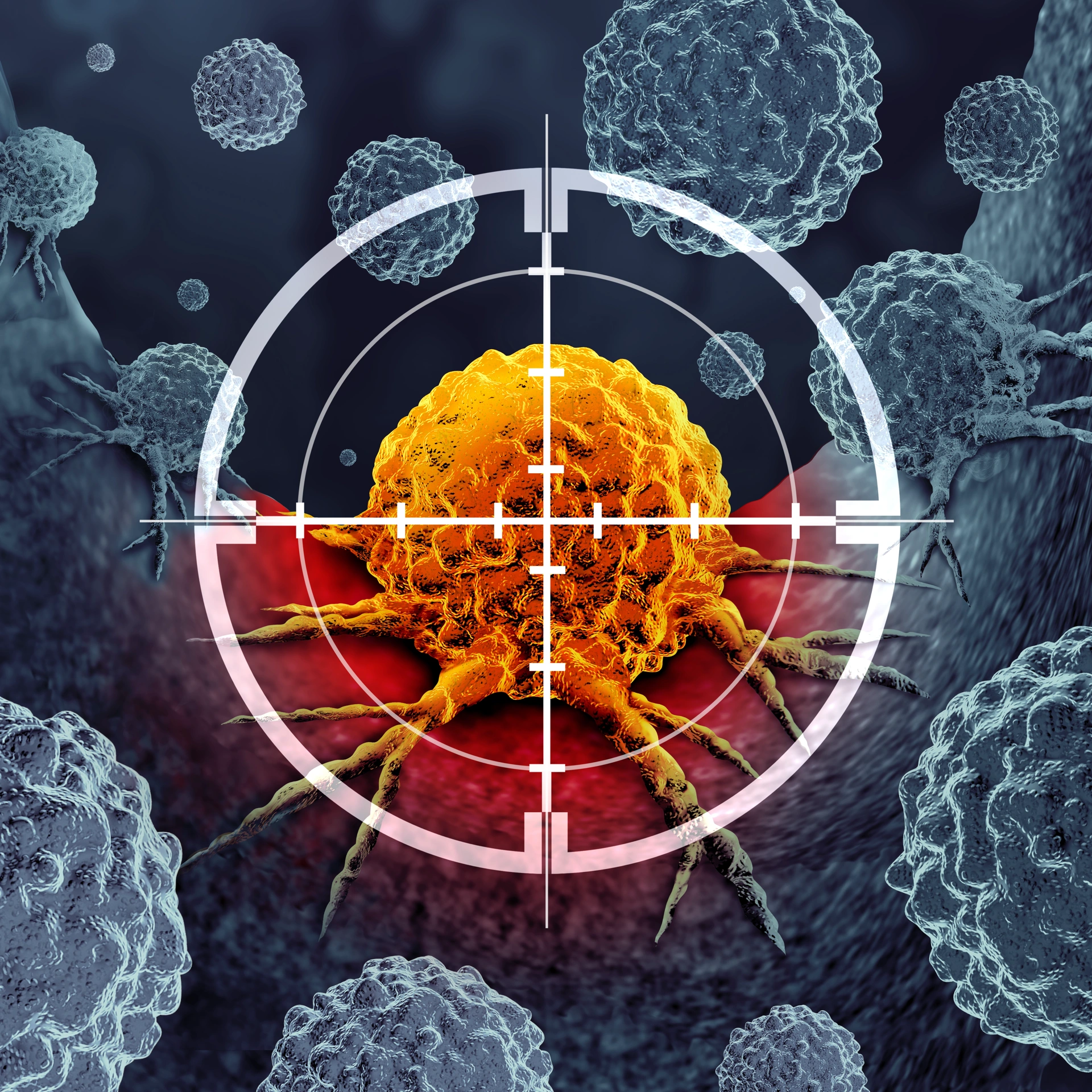
We are studying investigational approaches that use Biozipcode™ sequences recognizing cancer cells to deliver anticancer drugs or genes to target cells.
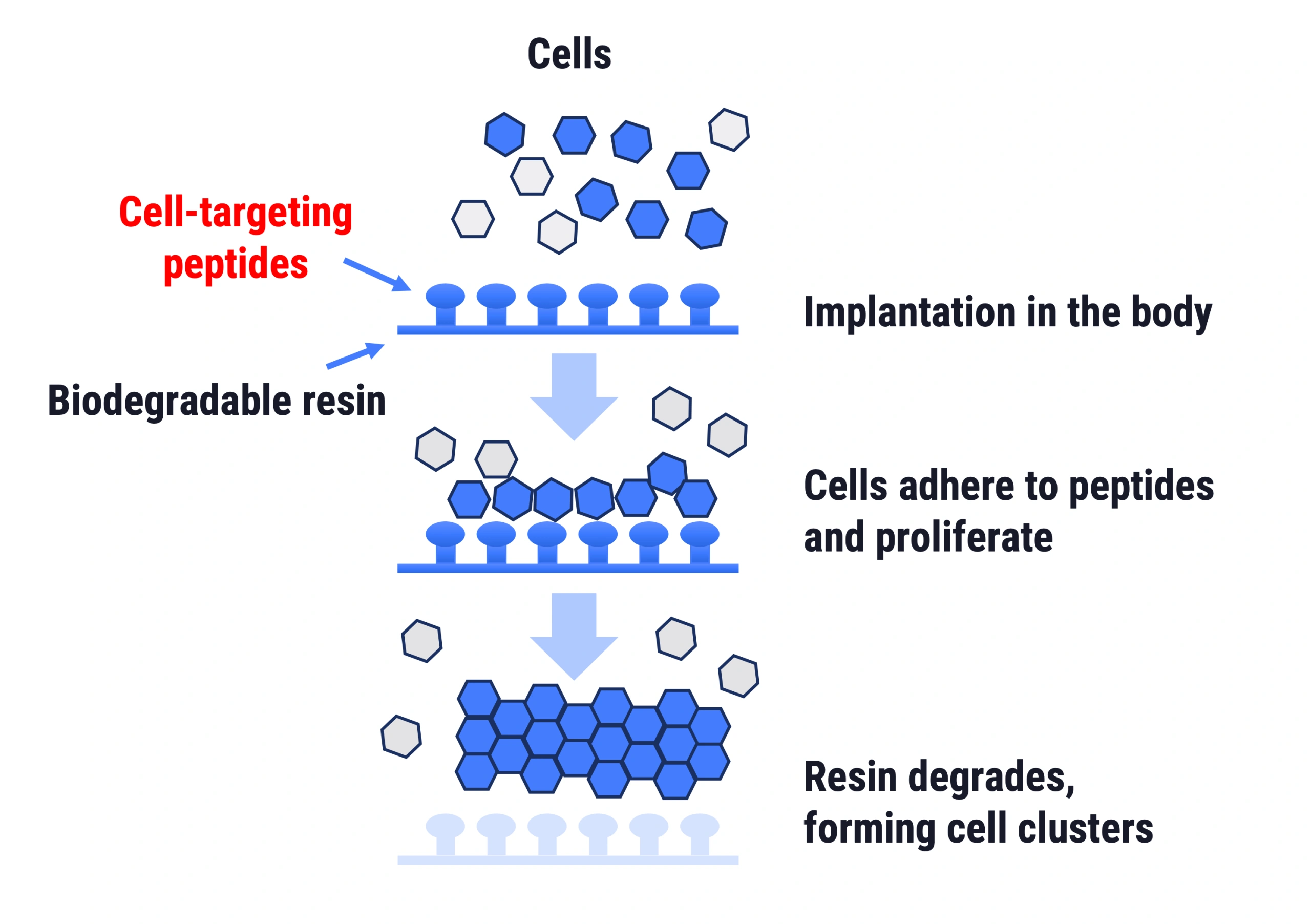
We aim to develop medical technologies that combine cell-guiding peptides with biomaterials to support wound healing and tissue regeneration.