
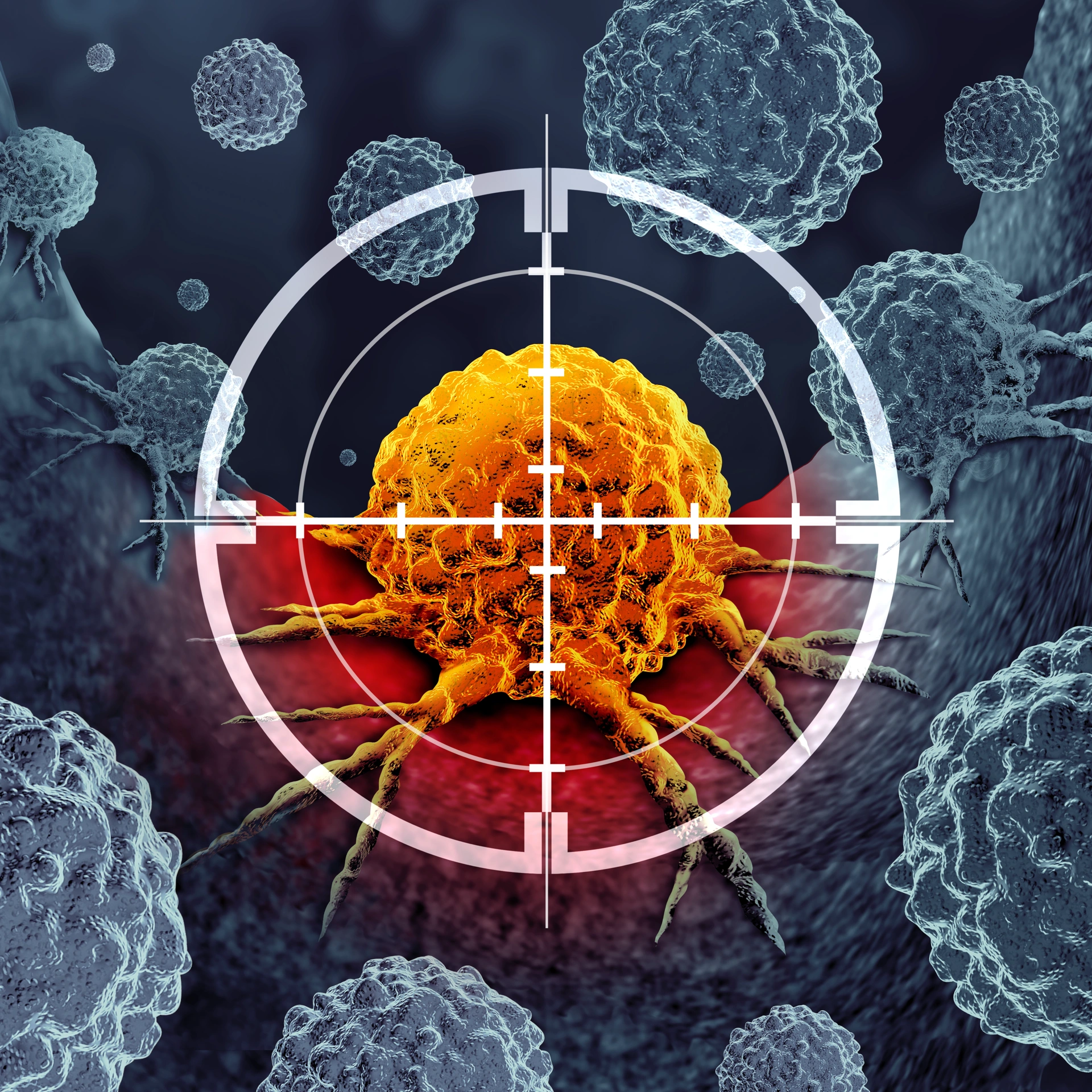
BIOZIPCODE™ TARGETED CANCER THERAPY
Cell-Targeted Oncology Therapeutics
Target cancer cells themselves,
not just a cancer diagnosis.
Cancer treatment aims to act as strongly as possible against cancer cells while limiting effects on healthy cells.
When anticancer drugs or other therapies are given systemically, however, they can also reach healthy organs and tissues.
Biozipcode, Inc. is researching short peptides that recognize specific cells or tissues, using Biozipcode™ to identify cancer cells and tumor tissue more selectively and deliver treatment to the intended target through cell-targeted therapy.
Beyond choosing which molecule to target,
we design which cells receive treatment.
That is the core idea behind our Biozipcode™ cell-targeted oncology therapeutic pipeline.
Biozipcode™-based cell-targeted oncology therapeutics are currently in discovery and preclinical research.
The pancreatic and liver cancer research discussed here includes preclinical work in animal models using human cancer cell lines. These findings do not establish that Biozipcode™-based therapies are effective or safe for people with cancer. A Biozipcode™ sequence shared by all cancers and a cancer treatment without adverse effects have not been established.
Clinical use will require validation in patient-derived samples, assessment of target selectivity and biodistribution, efficacy and safety studies, manufacturing and quality evaluation, and appropriate clinical trials.
WHY CELL TARGETING?
Why does cancer treatment need cell targeting?
Molecularly targeted therapies directed at molecules or receptors characteristic of cancer cells are widely used in oncology.
If a target molecule is also expressed on healthy cells, however, treatment may affect healthy tissue.
Biozipcode™ cell-targeting technology aims to look beyond a single molecular marker and use
cell-surface features
+
the tissue environment
+
binding selectivity in the body
to distinguish cancer cells and tumor tissue at the cellular level.
We are studying this as an added layer of targeting that addresses which cells receive treatment alongside existing molecularly targeted approaches.
THE BIOZIPCODE™ CONCEPT
Finding the “address” of cancer cells.
Biozipcode™ research uses a large library, primarily of short peptides, to search for sequences that bind to specific cells or tissues.
For a sequence of seven amino acids, there are
20⁷ ≒ 1.28 billion possibilities
from which to select candidates.
We look for sequences that
bind to tumors
while
binding as little as possible to healthy tissue
for further evaluation.
Biozipcode™ is not the name of a single peptide; it is a cell-targeting platform for finding distinct sequences for different target cells and tissues.
CROSS-TUMOR SEQUENCES
Can different cancers share a targeting sequence?
Research materials compare sequences detected in pancreatic and liver cancer models and examine candidate sequences found in both tumors.
If peptides that bind reproducibly across multiple cancer types while showing limited binding to healthy tissue can be confirmed, this work could lead to targeting technology applicable to a broader range of tumors.
However, no Biozipcode™ sequence shared by all cancers has been established.
Further validation is needed across cancer types, patients, and cell populations within tumors.

FROM BINDING TO THERAPY
From binding cancer cells to treating cancer.
Finding a peptide that binds to a tumor is not the endpoint of Biozipcode™ research.
Developing a therapeutic approach requires the following stages:
Tumor Binding
↓
Target Validation
↓
Payload Conjugation
↓
Tumor Delivery
↓
Therapeutic Effect
Each stage requires further work.
Research materials also discuss testing a candidate pancreatic cancer-binding peptide combined with a cytotoxic peptide, as part of efforts to translate targeting into treatment.
REDUCING OFF-TARGET EXPOSURE
Aiming to reduce exposure of healthy tissue.
A central goal of cell-targeting technology is to concentrate a drug in cancer cells and reduce exposure in healthy tissue.
If a sufficiently selective Biozipcode™ sequence can be established, it may support
- greater drug accumulation in tumors
- less exposure in healthy tissue
- optimized dosing
- an improved therapeutic index
for a particular candidate.
Biozipcode™ does not imply a treatment free of all adverse effects.
Safety must be evaluated for each candidate, taking into account
- the peptide
- the target
- Payload
- Vehicle
- dose
- route of administration
- biodistribution
and other factors.
TARGETED GENE & NUCLEIC ACID DELIVERY
Applications in gene and nucleic acid therapies
Efficient delivery to the intended cells is a major challenge for genes and nucleic acid therapeutics such as siRNA.
The research underlying Biozipcode™ has previously explored nervous-system targets, including:
- DRG-targeted gene delivery
- spinal cord-homing peptides
- microglia-targeted siRNA delivery
among other approaches.
We aim to extend this approach to cancer by combining
cancer-cell-binding peptides + gene or nucleic acid therapeutics
as a potential new form of targeted therapy.
DIAGNOSTIC APPLICATION
Finding cancer cells as well as treating them.
Biozipcode™ sequences that selectively bind cancer cells could also have diagnostic applications.
Potential uses include:
- tumor tissue labeling
- cell and tissue staining
- cancer cell capture
- imaging
- support for pathology assessment
- monitoring treatment response
among other possibilities.
We aim to use the same targeting peptide for both
Detection
and
Delivery
to connect diagnosis and treatment.
CANCER HETEROGENEITY
Cancer is not a single uniform cell population.
A major challenge in developing cell-targeted oncology therapeutics is tumor heterogeneity.
Even within one tumor in the same patient, cancer cells do not necessarily share the same features.
Cell-surface characteristics may also vary between
- primary tumors
- metastases
- before treatment
- after treatment
- drug-resistant cells
and other settings.
We therefore do not assume that one Biozipcode™ sequence can recognize every cancer cell. Research may need to evaluate multiple candidate peptides and combinations of targets.
HUMAN VALIDATION
The next key step: validation in human tumors.
Current findings include preclinical research in mouse models implanted with human cancer cell lines.
Cancers in patients can differ in
- genetic background
- tumor microenvironment
- cancer type
- disease stage
- treatment history
- tumor heterogeneity
and other factors.
We therefore need to test the selectivity of Biozipcode™ candidates in human material, including
- patient-derived cancer cells
- surgical and biopsy specimens
- organoids
- patient-derived xenograft
- comparisons with healthy tissue
to assess selectivity in humans.
CURRENT DEVELOPMENT STAGE
Current Development Stage
This pipeline is at the DISCOVERY / PRECLINICAL RESEARCH stage.
Work to date includes candidate peptide discovery in cancer models, NGS sequence analysis, comparisons with healthy tissue, and binding assays using synthetic peptides.
Next, it will be important to assess
reproducibility of candidate sequences
↓
validation in patient-derived tumors
↓
combination with a payload
↓
efficacy and safety
for each candidate.

OUR GOAL
Find the “address” of cancer cells,
then deliver treatment there.
Biozipcode™ aims to do more than find peptides that bind to cancer. We want to build a set of technologies that can
identify cancer cells.
distinguish them from healthy cells.
deliver treatment to cancer cells.
measure changes after treatment.
Together, these steps could form an integrated approach.
FIND THE CANCER CELL.
TARGET THE CANCER CELL.
DELIVER THE THERAPY.
We aim to connect diagnosis and treatment through cell targeting and advance more precise cancer care.

PARTNERING
Developing cancer cell targeting together.
We are seeking research and development partners in the following areas:
- universities and cancer research institutes
- specialist cancer centers
- patient-derived tumor samples
- organoids and PDX models
- peptide drug discovery
- anticancer drugs
- ADCs and drug conjugates
- nucleic acid therapeutics
- gene therapy
- nanoparticles and DDS
- imaging and diagnostics
- pathology analysis
- AI and bioinformatics
- physical AI and automation
- preclinical safety
- CMC and GMP manufacturing
Pipeline Overview

Our R&D programs span diabetes, cancer, and tissue regeneration, including therapeutic candidates, biomarkers, and cell-targeted drug candidates.
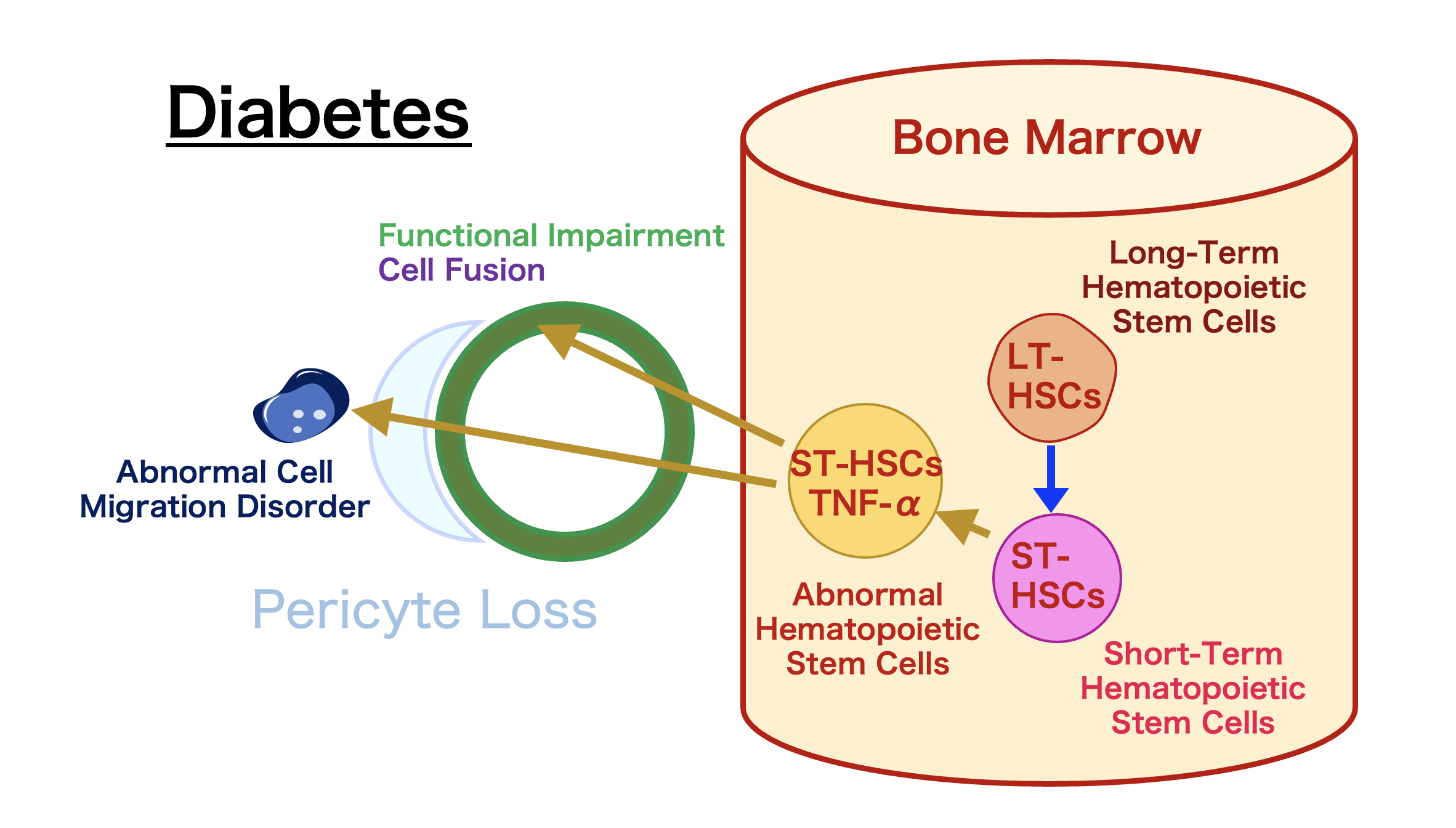
We are investigating a therapeutic candidate aimed at complete remission of diabetes, with benefits that persist after treatment ends, by addressing mechanisms that sustain the disease.
We aim to measure cells and signals associated with diabetes stem cells for potential use in disease assessment, patient stratification, and monitoring treatment response.

We are developing investigational approaches that combine Biozipcode™ sequences recognizing diabetes stem cells with therapeutic molecules to act selectively on target cells.
We are studying investigational approaches that use Biozipcode™ sequences recognizing cancer cells to deliver anticancer drugs or genes to target cells.
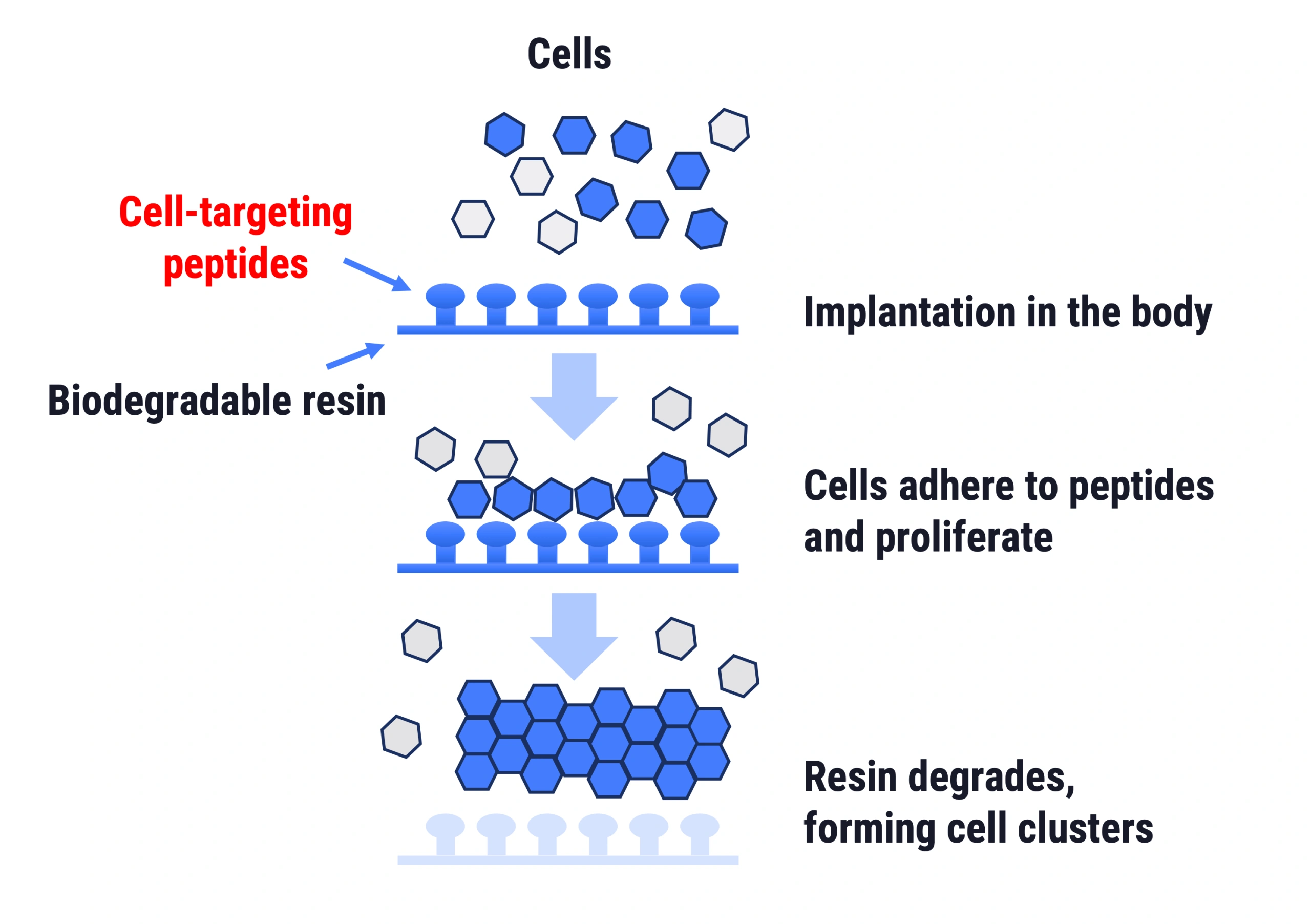
We aim to develop medical technologies that combine cell-guiding peptides with biomaterials to support wound healing and tissue regeneration.